
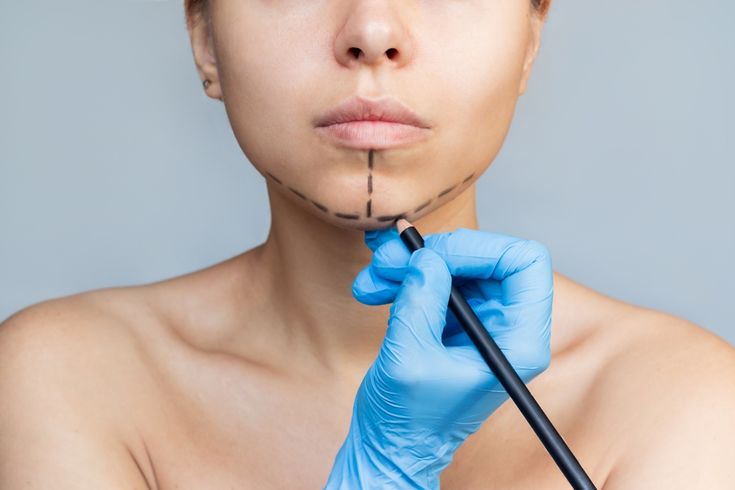
Plastic surgery has become increasingly popular over the years, helping millions of people enhance their appearance, restore confidence, and address functional concerns. Despite its prevalence, many myths and misconceptions still surround the field. These misconceptions can create unnecessary fear, confusion, or unrealistic expectations. Understanding the facts about plastic surgery is essential for making informed decisions and achieving safe, satisfying results.
Here are some of the most common myths about plastic surgery—and the truth behind them.
Myth 1: Plastic Surgery Is Only for the Wealthy
Truth: While plastic surgery can be a significant investment, it is not exclusively for the rich. Many procedures are more accessible than people think, and financing options are available for various treatments. Moreover, non-surgical cosmetic treatments like Botox, fillers, and laser therapies offer effective results at a fraction of the cost. The growing popularity of aesthetic procedures has made them more accessible to a wider range of individuals who want to enhance their appearance safely.
Myth 2: Plastic Surgery Is Only for Women
Truth: Plastic surgery is for anyone seeking improvement in appearance or function, regardless of gender. Men increasingly seek procedures such as rhinoplasty, eyelid surgery, liposuction, and hair restoration. In fact, statistics show a steady rise in male patients visiting cosmetic surgeons worldwide. The idea that plastic surgery is “only for women” is outdated; aesthetic enhancement is a personal choice for everyone.
Myth 3: Plastic Surgery Is Extremely Risky
Truth: Like any medical procedure, plastic surgery carries some risk, but modern techniques and safety protocols have made procedures safer than ever. Choosing a board-certified, experienced surgeon, following pre- and post-operative instructions, and maintaining realistic expectations significantly reduce risks. Complications are rare, and proper consultation ensures that patients are suitable candidates for their chosen procedures.
Myth 4: Plastic Surgery Results Look Fake
Truth: The perception of “fake” results often comes from poorly executed procedures or extreme enhancements. Skilled surgeons prioritize natural-looking outcomes that complement an individual’s unique features. The goal of modern plastic surgery is to enhance beauty, restore proportion, and improve confidence—not create artificial or exaggerated appearances. Non-surgical treatments can also produce subtle improvements without surgery, further supporting natural results.
Myth 5: Plastic Surgery Is Only About Vanity
Truth: While aesthetic enhancement is a common reason for surgery, plastic surgery is not purely cosmetic. Many procedures address functional and medical concerns. Examples include:
- Breast reduction to relieve back or neck pain
- Rhinoplasty to improve breathing
- Reconstructive surgery following trauma, burns, or congenital defects
- Eyelid surgery to correct vision impairment caused by sagging eyelids
Plastic surgery can improve quality of life, health, and self-esteem, not just appearance.
Myth 6: Recovery Is Extremely Painful
Truth: Recovery experiences vary depending on the procedure, but advances in anesthesia, surgical techniques, and post-operative care have made recovery more comfortable. Pain is typically manageable with prescribed medication, and most patients report that discomfort is far less than expected. Following post-operative instructions and giving the body time to heal ensures a smooth recovery process.
Myth 7: Plastic Surgery Is Only for Older People
Truth: Plastic surgery is not limited to any specific age group. Younger patients may seek procedures to correct congenital features, enhance proportions, or prevent early signs of aging, while older individuals may undergo procedures to restore youthful contours or improve functionality. The key is assessing individual goals, skin quality, and overall health rather than relying on age as a limiting factor.
Myth 8: Non-Surgical Treatments Can Replace Surgery Completely
Truth: Non-surgical treatments like Botox, fillers, and laser therapies are excellent for subtle improvements, maintenance, and preventive care. However, they cannot fully replace surgical procedures for significant changes such as lifting sagging skin, reshaping the nose, or removing excess skin after weight loss. Combining surgical and non-surgical options often provides the best, most natural results.
Myth 9: Plastic Surgery Results Are Permanent
Truth: While some results are long-lasting, aging, lifestyle, and environmental factors continue to affect the body and face. For example, a facelift may produce dramatic improvements for years, but natural aging continues, and maintenance treatments may be necessary. Healthy habits like sun protection, a balanced diet, and proper skincare can prolong results and enhance surgical outcomes.
Myth 10: Plastic Surgery Is a Quick Fix for Confidence
Truth: While plastic surgery can enhance appearance and boost confidence, it is not a substitute for emotional well-being or self-esteem. Realistic expectations and a healthy mindset are essential before undergoing any procedure. Surgery can improve physical appearance, but lasting confidence also comes from self-acceptance, lifestyle habits, and mental health care.
Plastic surgery is a safe and effective way to enhance appearance, restore function, and improve quality of life when performed by skilled professionals. However, misconceptions continue to create unnecessary fear or unrealistic expectations. By understanding the facts—such as the safety, versatility, and natural results achievable today—patients can make informed decisions and achieve outcomes that meet their personal goals.
Debunking myths about plastic surgery helps individuals approach aesthetic procedures with knowledge, confidence, and realistic expectations, ensuring a positive experience and long-lasting satisfaction.