
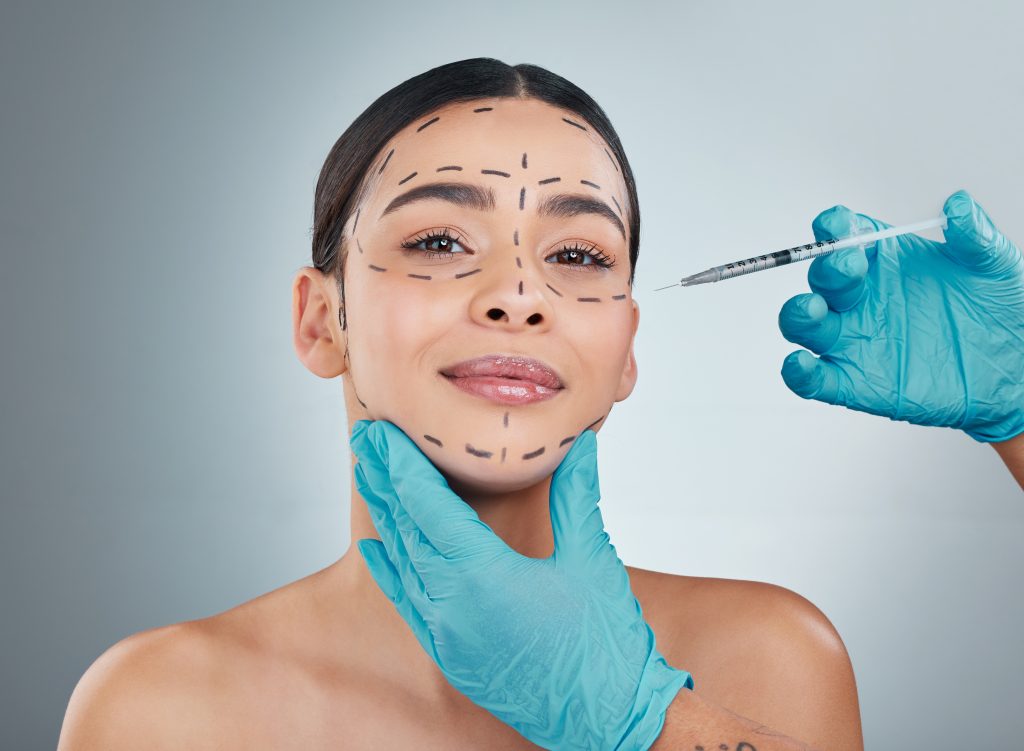
In the world of aesthetic medicine, achieving harmony between the face and body has become the ultimate goal. Modern surgical techniques are no longer just about altering a single feature—they are designed to create balance, proportion, and natural-looking results that enhance overall appearance. By combining advanced technologies, innovative procedures, and personalized treatment planning, surgeons today can help patients achieve a holistic transformation that respects their unique anatomy.
Understanding Facial and Body Balance
Facial and body balance refers to the proportional relationship between different features and contours. For the face, it involves symmetry between the eyes, nose, lips, cheeks, and jawline. For the body, it encompasses harmony between areas such as the abdomen, hips, thighs, and overall posture.
Achieving this balance is not about making each feature “perfect” in isolation; rather, it is about creating a natural and aesthetically pleasing relationship between all elements. Modern surgical techniques focus on understanding individual anatomy, aesthetic ideals, and patient goals to deliver results that enhance both confidence and functionality.
Advancements in Facial Surgery
Facial aesthetic surgery has evolved significantly over the past decade. Surgeons now employ techniques that are minimally invasive, precise, and tailored to the patient’s facial structure.
1. Rhinoplasty with Facial Proportion Analysis
Modern rhinoplasty goes beyond reshaping the nose—it takes into account the harmony of the entire face. Advanced imaging and 3D modeling allow surgeons to simulate results and ensure that the new nasal shape complements the patient’s eyes, lips, and chin, achieving a balanced appearance.
2. Facelifts and Contouring
Traditional facelifts focused on lifting sagging skin, often resulting in an over-tightened or unnatural look. Today’s techniques combine soft-tissue repositioning, fat grafting, and skin resurfacing to restore youthful contours while maintaining natural expressions. By addressing volume loss and structural support, surgeons can create a harmonious balance between the upper, mid, and lower face.
3. Eyelid and Brow Surgery
Subtle changes in the eyes and brows can significantly affect facial balance. Modern blepharoplasty and brow lift procedures enhance the eyes’ natural shape, correct asymmetry, and improve overall facial proportion without looking overdone.
Innovations in Body Contouring
Body aesthetics have also been transformed by surgical advancements. The focus is now on creating smooth, proportionate, and natural-looking results that reflect the patient’s body goals.
1. Liposuction and Fat Transfer
Advanced liposuction techniques, such as laser-assisted and tumescent liposuction, allow for precise fat removal from targeted areas while minimizing trauma and downtime. Additionally, fat transfer procedures can enhance volume in desired areas, such as the buttocks or breasts, creating a balanced silhouette.
2. Tummy Tucks and Abdominal Contouring
Modern abdominoplasty techniques focus on tightening the abdominal wall, removing excess skin, and sculpting the waistline. By combining these methods with liposuction, surgeons can achieve a natural hourglass shape that enhances overall body proportion.
3. Breast and Buttock Surgery
Breast augmentation, reduction, and lift procedures are now performed with an emphasis on symmetry, proportion, and natural results. Similarly, gluteal augmentation using fat transfer or implants aims to enhance body curves without compromising harmony with the rest of the body.
The Role of Minimally Invasive and Non-Surgical Techniques
In addition to traditional surgeries, minimally invasive procedures such as injectable fillers, thread lifts, and laser treatments play a key role in refining facial and body balance. These techniques allow surgeons to:
- Restore facial volume
- Improve skin texture and elasticity
- Correct minor asymmetries
- Provide subtle enhancements without extensive downtime
When combined with surgical interventions, non-surgical techniques offer a comprehensive approach to achieving balanced and harmonious aesthetics.
Personalized Treatment Planning
One of the hallmarks of modern surgical techniques is the emphasis on individualized planning. Surgeons use 3D imaging, virtual simulations, and careful anatomical analysis to design procedures that align with each patient’s unique features. This personalized approach ensures that changes to one area of the face or body complement the whole, maintaining natural balance and proportion.
Psychological and Functional Benefits
Beyond aesthetics, restoring facial and body balance has psychological and functional benefits. Patients often report increased self-confidence, improved body image, and enhanced social interactions. Additionally, procedures such as reconstructive surgery or functional rhinoplasty can improve breathing, posture, or mobility while enhancing appearance.