
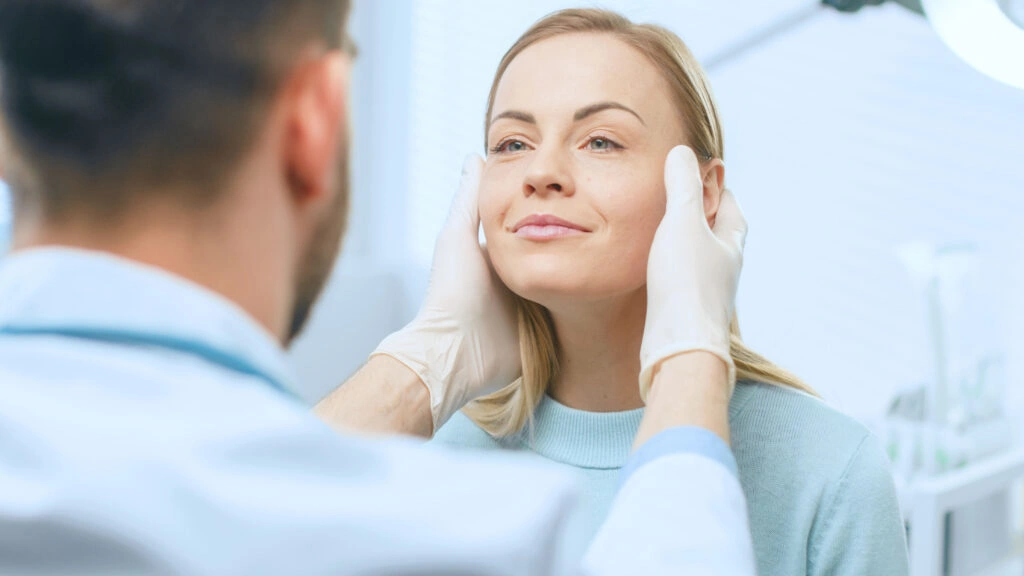
In today’s world of aesthetic medicine, individuals have more options than ever to enhance their appearance. Cosmetic treatments broadly fall into two categories: non-surgical and surgical. Each approach offers unique benefits and considerations, and understanding the differences can help you make informed decisions about your personal aesthetic goals.
Understanding Non-Surgical Cosmetic Treatments
Non-surgical treatments are minimally invasive procedures designed to improve appearance without the need for incisions or prolonged recovery. These treatments are often performed in clinics or medical spas and can provide noticeable results with minimal downtime.
Common Non-Surgical Treatments
- Botox and Dermal Fillers
- Botox relaxes facial muscles to reduce wrinkles and fine lines.
- Fillers restore volume to cheeks, lips, and under-eye areas for a youthful appearance.
- Botox relaxes facial muscles to reduce wrinkles and fine lines.
- Laser Skin Treatments
- Target pigmentation, acne scars, and skin texture.
- Stimulate collagen production for smoother, firmer skin.
- Target pigmentation, acne scars, and skin texture.
- Chemical Peels
- Exfoliate the top layer of skin to reduce blemishes, sun damage, and uneven tone.
- Exfoliate the top layer of skin to reduce blemishes, sun damage, and uneven tone.
- Non-Surgical Fat Reduction
- Treatments like CoolSculpting remove stubborn fat cells without surgery.
- Treatments like CoolSculpting remove stubborn fat cells without surgery.
Advantages of Non-Surgical Treatments
- Minimal downtime and quick recovery
- Lower cost compared to surgical options
- Less risk of complications
- Subtle, natural-looking results
Limitations
- Temporary results that may require maintenance
- May not address severe skin laxity, deep wrinkles, or significant structural changes
Understanding Surgical Cosmetic Treatments
Surgical cosmetic treatments are invasive procedures that require anesthesia and involve altering or restructuring tissue to achieve desired results. These procedures often provide more dramatic and long-lasting outcomes.
Common Surgical Treatments
- Facelift
- Tightens sagging facial skin and smooths deep wrinkles.
- Tightens sagging facial skin and smooths deep wrinkles.
- Rhinoplasty
- Reshapes the nose for cosmetic or functional purposes.
- Reshapes the nose for cosmetic or functional purposes.
- Breast Augmentation or Reduction
- Enhances or reduces breast size for proportionate aesthetics.
- Enhances or reduces breast size for proportionate aesthetics.
- Liposuction
- Removes excess fat deposits to contour body areas.
- Removes excess fat deposits to contour body areas.
Advantages of Surgical Treatments
- Long-lasting or permanent results
- Can address severe aesthetic concerns
- Often delivers more dramatic improvements
Limitations
- Longer recovery periods
- Higher cost and potential for complications
- Requires careful planning and follow-up care
Non-Surgical vs. Surgical: Choosing the Right Option
Deciding between non-surgical and surgical cosmetic treatments depends on several factors:
- Desired Results
- Non-surgical treatments are ideal for subtle enhancements or maintenance.
- Surgical options are better for significant transformations or structural corrections.
- Non-surgical treatments are ideal for subtle enhancements or maintenance.
- Downtime and Recovery
- Non-surgical procedures usually allow patients to return to daily activities immediately.
- Surgery may require weeks of recovery and temporary lifestyle adjustments.
- Non-surgical procedures usually allow patients to return to daily activities immediately.
- Budget Considerations
- Non-surgical treatments tend to be more affordable initially but may require ongoing maintenance.
- Surgery is a larger upfront investment but often provides lasting results.
- Non-surgical treatments tend to be more affordable initially but may require ongoing maintenance.
- Risk Tolerance
- Non-surgical treatments carry minimal risk.
- Surgery involves anesthesia and potential complications, so careful consultation is essential.
- Non-surgical treatments carry minimal risk.
Combining Treatments for Optimal Results
Many patients choose a combination approach to achieve the best outcomes. For example, a surgical facelift can be complemented with Botox or fillers to maintain long-term results. Similarly, laser treatments can enhance the effects of surgical procedures by improving skin tone and texture.
Consultation: The Key to Success
Regardless of the path you choose, consulting a qualified aesthetic professional is essential. A thorough assessment of your goals, skin type, facial structure, and medical history will help determine the most suitable treatment plan. Personalized guidance ensures safety, effectiveness, and natural-looking results.