
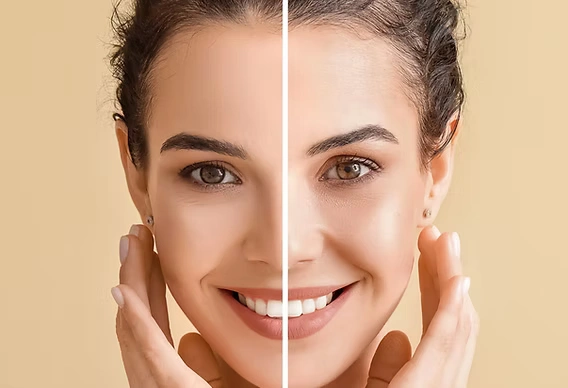
Facial symmetry has long been associated with beauty and attractiveness across cultures and throughout history. Symmetry refers to the degree to which the left and right sides of the face mirror each other. While no face is perfectly symmetrical, research shows that faces with a higher degree of symmetry are generally perceived as more attractive, healthy, and youthful. Understanding the role of facial symmetry helps explain why certain facial features are considered aesthetically appealing and highlights the science behind beauty perception.
The Science Behind Facial Symmetry
Facial symmetry is often regarded as a marker of genetic quality and overall health. Humans are naturally wired to recognize subtle asymmetries, as even minor deviations can subconsciously indicate developmental or environmental stresses experienced during growth. Symmetrical features are interpreted as signals of good health, strong genetics, and vitality, which contributes to perceived attractiveness.
Studies in psychology and evolutionary biology suggest that individuals with more symmetrical faces are often considered more appealing, which may have roots in mate selection and reproductive fitness. Symmetry can affect perceptions of personality traits as well, with symmetrical faces being associated with trustworthiness, confidence, and competence.
Facial Symmetry and Aesthetic Perception
Facial symmetry influences attractiveness in several ways:
- Balance and Proportion
Symmetry contributes to a balanced facial appearance, where features like the eyes, eyebrows, nose, and lips align harmoniously. This balance enhances visual appeal and makes the face more aesthetically pleasing. - Youthfulness and Health
Symmetrical faces are often perceived as healthier and more youthful. Uneven features or noticeable asymmetries can suggest aging, fatigue, or past health issues, while symmetry signals vitality and well-being. - Psychological Impact
People are naturally drawn to symmetrical faces because the brain processes symmetry more efficiently. Symmetry is easier to interpret and is subconsciously associated with positive attributes, including attractiveness and social desirability.
Factors Affecting Facial Symmetry
While genetics play a significant role in facial symmetry, environmental and lifestyle factors can influence it as well:
- Aging: Natural aging can cause asymmetry due to bone resorption, changes in skin elasticity, and uneven muscle activity.
- Injuries: Trauma to the face can result in lasting asymmetrical features.
- Dental Health: Misaligned teeth or jaw can impact overall facial balance.
- Lifestyle Factors: Poor posture, repetitive facial expressions, and muscular imbalances may contribute to asymmetrical appearance over time.
Enhancing Facial Symmetry
Many aesthetic treatments and lifestyle approaches aim to enhance facial symmetry and overall attractiveness:
- Non-Surgical Options
- Dermal Fillers: Can correct minor asymmetries in cheeks, lips, or jawline.
- Botox: Helps balance muscle activity, improving facial harmony.
- Skincare Treatments: Boost skin quality and texture, creating a more uniform appearance.
- Dermal Fillers: Can correct minor asymmetries in cheeks, lips, or jawline.
- Surgical Options
- Rhinoplasty: Can address nose asymmetry and improve overall facial balance.
- Jawline Contouring or Chin Surgery: Enhances lower-face symmetry.
- Eyelid or Brow Procedures: Correct drooping or uneven features.
- Rhinoplasty: Can address nose asymmetry and improve overall facial balance.
- Lifestyle Practices
- Maintaining good posture and facial exercises can support muscular balance.
- Dental care, including orthodontics, helps align teeth and jaw, enhancing symmetry.
- Adequate hydration, nutrition, and skincare promote healthy skin and uniform facial appearance.
- Maintaining good posture and facial exercises can support muscular balance.
The Psychological Perspective
Facial symmetry affects not only how others perceive us but also how we perceive ourselves. People with more symmetrical faces may experience higher self-confidence and social acceptance, which further reinforces positive perceptions of attractiveness. This interplay between physical appearance and psychological well-being emphasizes the holistic nature of aesthetic appeal.
Conclusion
Facial symmetry is a key factor in perceived attractiveness, influencing impressions of health, youthfulness, and beauty. While perfect symmetry is rare, a higher degree of balance and proportion enhances facial harmony, making individuals more appealing both biologically and psychologically. Genetics, lifestyle choices, and modern aesthetic interventions can all play a role in improving facial symmetry. By understanding the impact of symmetry, individuals can make informed decisions about treatments and practices that enhance their natural features, contributing to overall confidence and aesthetic satisfaction.