
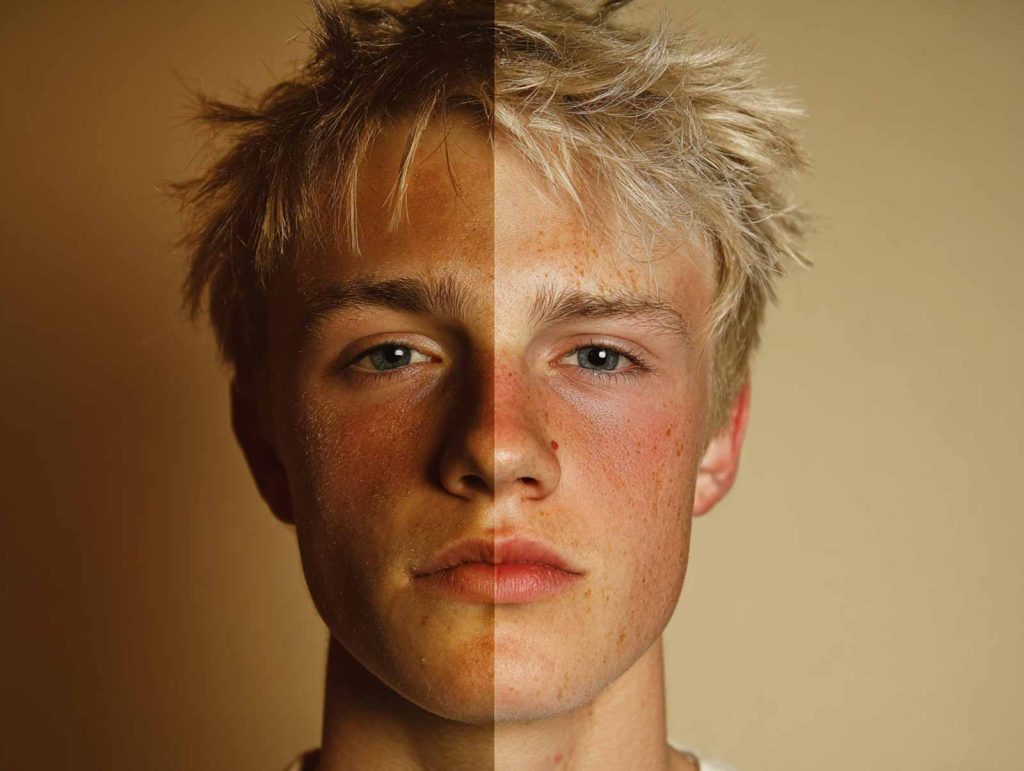
Sunlight plays an important role in overall well-being by helping the body produce vitamin D and supporting mood and energy levels. However, excessive and unprotected sun exposure can have serious long-term effects on skin health. Over time, ultraviolet (UV) radiation from the sun can damage skin cells, accelerate aging, and increase the risk of various skin conditions. Understanding how sun exposure impacts long-term skin health is essential for maintaining a youthful, healthy complexion.
Understanding UV Radiation and the Skin
The sun emits two primary types of ultraviolet rays that affect the skin: UVA and UVB. UVA rays penetrate deep into the skin and are mainly responsible for premature aging, while UVB rays affect the outer layers of the skin and are the primary cause of sunburn. Both types contribute to long-term skin damage and can alter the skin’s structure at a cellular level.
Repeated exposure to UV radiation weakens the skin’s natural defense mechanisms. Over time, this damage accumulates, even if sunburn is not visible, making daily sun protection crucial.
Premature Aging and Sun Damage
One of the most noticeable long-term effects of sun exposure is premature skin aging, also known as photoaging. UV rays break down collagen and elastin, the proteins responsible for keeping skin firm, smooth, and elastic. As these fibers weaken, the skin begins to lose its youthful appearance.
Common signs of sun-induced aging include:
- Fine lines and wrinkles
- Sagging skin
- Loss of firmness and elasticity
- Rough skin texture
Unlike natural aging, which occurs gradually, sun damage accelerates these changes, making skin appear older than it actually is.
Hyperpigmentation and Uneven Skin Tone
Long-term sun exposure stimulates excess melanin production, leading to pigmentation issues such as sunspots, age spots, and uneven skin tone. These dark patches often appear on areas frequently exposed to the sun, including the face, hands, shoulders, and neck.
Hyperpigmentation can become more pronounced over time, especially without proper sun protection. Once these spots develop, they can be difficult to fade, requiring consistent skincare and professional treatments.
Damage to the Skin Barrier
The skin barrier plays a vital role in retaining moisture and protecting against environmental aggressors. Prolonged sun exposure weakens this barrier, causing increased water loss and making the skin more prone to dryness, irritation, and sensitivity.
A compromised skin barrier can also lead to:
- Chronic dryness and flakiness
- Increased redness and inflammation
- Greater susceptibility to pollutants and bacteria
Maintaining a strong skin barrier through hydration and sun protection is key to long-term skin health.
Increased Risk of Skin Conditions
Excessive sun exposure over the years increases the risk of developing various skin conditions. Chronic UV damage can trigger inflammatory skin issues and worsen existing conditions such as rosacea, eczema, and acne.
Most importantly, long-term sun exposure is a major risk factor for skin cancer. UV radiation can damage the DNA in skin cells, leading to abnormal cell growth. While not all sun damage results in skin cancer, consistent protection significantly reduces the risk.
Dehydration and Dull Appearance
Sun exposure can dehydrate the skin by stripping away natural oils and moisture. Dehydrated skin often appears dull, tired, and uneven. Fine lines become more visible, and the skin may feel tight or rough to the touch.
Over time, chronic dehydration caused by sun damage affects the skin’s ability to repair itself efficiently, slowing down natural regeneration and contributing to a lackluster complexion.
Long-Term Impact on Skin Texture
Continuous exposure to UV rays alters the skin’s surface texture. Thickened, rough, or leathery skin is a common result of prolonged sun exposure. This happens because the skin attempts to protect itself by producing extra layers, which can lead to uneven texture and enlarged pores.
These textural changes may not be immediately noticeable but gradually become more apparent with age.
How to Protect Skin from Long-Term Sun Damage
Preventing sun damage is far easier than reversing it. Simple daily habits can significantly reduce the long-term impact of sun exposure:
- Use sunscreen daily: Apply a broad-spectrum sunscreen with adequate SPF, even on cloudy days.
- Reapply sunscreen: Especially during prolonged outdoor activities.
- Wear protective clothing: Hats, sunglasses, and long sleeves offer additional protection.
- Seek shade: Avoid direct sun exposure during peak hours when UV rays are strongest.
- Support skin with antioxidants: Skincare products and a nutrient-rich diet help combat oxidative stress caused by UV rays.
Consistency in sun protection is the most effective way to maintain healthy, youthful skin.
Conclusion
Sun exposure has a profound impact on long-term skin health. While moderate sunlight offers certain benefits, prolonged and unprotected exposure can lead to premature aging, pigmentation, texture changes, and increased risk of skin conditions. By understanding how UV rays affect the skin and adopting daily sun-protective habits, you can preserve your skin’s health, strength, and natural glow for years to come. Prioritizing sun protection today is an investment in healthier, more resilient skin for the future.