
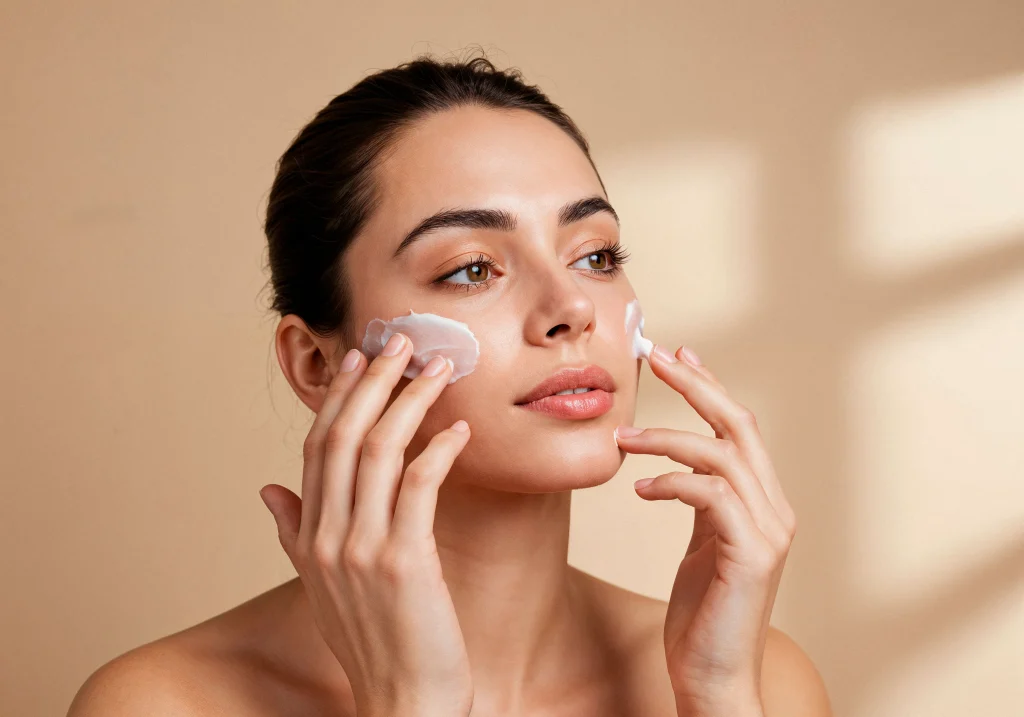
Aesthetic treatments were once considered taboo or reserved for a select few. Today, they are increasingly viewed as a normal part of self-care and personal expression. Understanding how social acceptance of aesthetics is changing helps explain the shift in attitudes toward cosmetic procedures and the growing emphasis on confidence, individuality, and wellbeing.
From Taboo to Mainstream
In the past, aesthetic treatments were often kept private due to social stigma. Cosmetic procedures were associated with vanity or unrealistic beauty standards. Over time, public perception has evolved, and aesthetic care is now widely accepted as a personal choice rather than a social taboo.
This shift has been influenced by open conversations, greater transparency, and increased access to information.
Influence of Social Media and Digital Culture
Social media has played a significant role in changing attitudes toward aesthetics. Platforms that emphasize visual content have normalized discussions around skincare, cosmetic treatments, and appearance enhancement.
People now openly share their experiences, results, and recovery journeys, helping to reduce stigma and encourage informed decision-making. However, this also highlights the importance of responsible messaging and realistic expectations.
Focus on Confidence Rather Than Perfection
Modern aesthetic care emphasizes enhancing confidence rather than achieving perfection. Society is moving away from rigid beauty ideals and embracing natural-looking results that preserve individuality.
This change encourages people to view aesthetic treatments as tools for self-improvement rather than a requirement to meet external standards.
Growing Acceptance Across Age and Gender
Aesthetic treatments are no longer limited to a specific age group or gender. Men and individuals across different age ranges are increasingly exploring aesthetic options for skin health, rejuvenation, and overall wellbeing.
This inclusivity reflects a broader cultural shift toward self-care and personal choice.
Advancements in Technology and Safety
Technological advancements have made aesthetic treatments safer, less invasive, and more accessible. Shorter recovery times and natural outcomes have increased public trust in cosmetic procedures.
As safety improves, social acceptance continues to grow, reinforcing confidence in aesthetic care.
Ethical and Responsible Aesthetic Practices
The growing acceptance of aesthetics has also highlighted the importance of ethical practices. Patients now prioritize safety, transparency, and professional standards over trends or quick fixes.
This awareness encourages responsible choices and long-term satisfaction.
Embracing Individual Beauty
Modern society increasingly values diversity and authenticity. Rather than promoting a single definition of beauty, aesthetic care now focuses on enhancing unique features.
This shift supports self-acceptance and reduces pressure to conform to unrealistic ideals.
Mental Wellbeing and Self-Care
Aesthetic care is increasingly associated with mental wellbeing and self-care. When approached responsibly, treatments can positively impact self-esteem and emotional health.
This perspective recognizes aesthetics as part of holistic wellness rather than superficial enhancement.
The Future of Social Acceptance in Aesthetics
As conversations continue to evolve, social acceptance of aesthetics is expected to grow further. Education, ethical care, and realistic expectations will play a key role in shaping future attitudes.
The focus will likely remain on personalization, safety, and confidence-driven outcomes.
Conclusion
Understanding how social acceptance of aesthetics is changing reveals a broader cultural shift toward openness, inclusivity, and self-expression. As stigma fades and awareness grows, aesthetic care is increasingly viewed as a personal and empowering choice. With ethical practices and informed decisions, this evolving acceptance supports both physical appearance and overall wellbeing.