
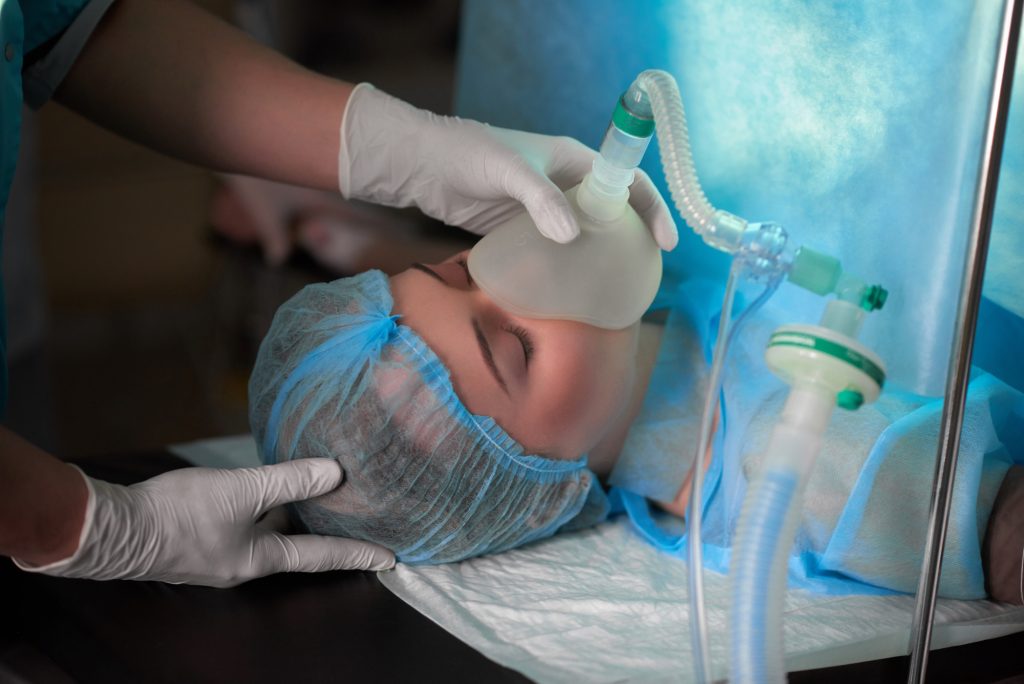
Anesthesia plays a vital role in cosmetic surgery by ensuring patient comfort, safety, and a smooth surgical experience. The type of anesthesia used depends on the procedure, its duration, and the patient’s overall health. Understanding these options helps patients feel informed and confident before surgery.
What Is Anesthesia and Why Is It Important?
Anesthesia is a medical technique used to control pain and discomfort during surgical procedures. In cosmetic surgery, it allows surgeons to work with precision while keeping the patient comfortable and relaxed. Modern anesthesia methods are advanced, carefully monitored, and designed with patient safety as a top priority.
Local Anesthesia
Local anesthesia numbs a small, specific area of the body. The patient remains fully awake but does not feel pain in the treated area.
Common Uses
- Minor cosmetic procedures
- Mole removal
- Small skin treatments
- Injectable procedures
Benefits
- Minimal recovery time
- Lower risk compared to deeper anesthesia
- No loss of consciousness
Local anesthesia is sometimes combined with mild sedation for added comfort.
Local Anesthesia with Sedation
This approach combines local anesthesia with oral or intravenous sedatives. Patients stay awake but feel relaxed and drowsy, and often remember little of the procedure.
Common Uses
- Facial cosmetic procedures
- Eyelid surgery
- Minor liposuction
Benefits
- Reduced anxiety
- Faster recovery than general anesthesia
- Improved overall comfort
This option is ideal for patients who prefer to remain awake but relaxed during surgery.
Regional Anesthesia
Regional anesthesia blocks sensation in a larger area of the body, such as a limb or the lower half. Patients may remain awake or receive light sedation.
Common Uses
- Lower body cosmetic procedures
- Treatments involving larger areas
Benefits
- Strong pain control
- Reduced need for general anesthesia
- Less nausea and grogginess
Regional anesthesia allows effective pain management while maintaining patient safety.
General Anesthesia
General anesthesia places the patient in a deep sleep, ensuring complete unconsciousness throughout the procedure. It is administered and monitored by a qualified anesthesia professional.
Common Uses
- Extensive cosmetic surgeries
- Multiple procedures performed together
- Long-duration surgeries
Benefits
- Complete pain control
- Patient is fully unaware during surgery
- Ideal for complex procedures
Although recovery may take longer, general anesthesia is safe when properly administered and monitored.
Tumescent Anesthesia
Tumescent anesthesia is a specialized form of local anesthesia commonly used in liposuction. A solution containing anesthetic and saline is injected into the treatment area, causing it to swell and become numb.
Common Uses
- Liposuction
- Fat removal procedures
Benefits
- Reduced bleeding
- Improved precision
- Faster recovery
This technique often allows liposuction to be performed without general anesthesia.
Choosing the Right Type of Anesthesia
The most suitable anesthesia depends on several factors, including:
- Type and length of the procedure
- Patient’s medical history
- Pain tolerance and anxiety level
- Surgeon and anesthesiologist recommendations
A detailed pre-surgical consultation ensures the safest and most appropriate choice.
Safety and Monitoring
Modern cosmetic surgery uses advanced monitoring systems to track vital signs such as heart rate, blood pressure, and oxygen levels. Anesthesia professionals closely monitor patients throughout the procedure to maintain safety at all times.
Recovery After Anesthesia
Recovery time varies based on the type of anesthesia used. Local anesthesia allows quick recovery, while general anesthesia may require longer observation. Patients receive clear post-procedure instructions to support safe healing.
Conclusion
Understanding the types of anesthesia used in cosmetic surgery helps patients feel prepared and reassured. From local anesthesia for minor treatments to general anesthesia for complex procedures, each option is designed to maximize comfort and safety. With proper planning, expert supervision, and modern techniques, anesthesia plays a key role in successful cosmetic surgery outcomes.