
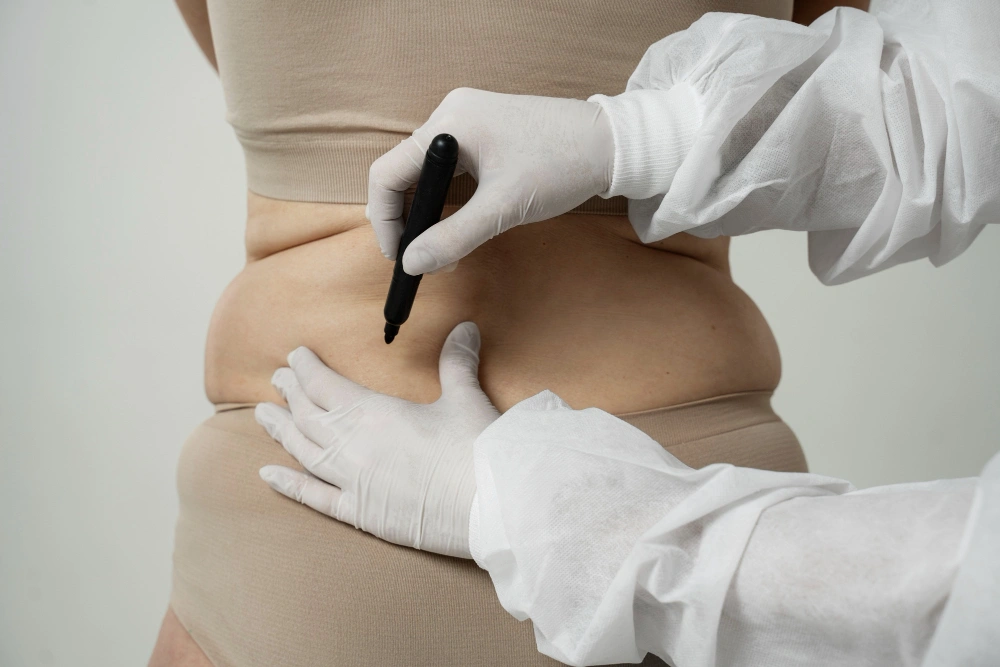
Many people struggle with areas of fat that seem impossible to eliminate, even with a healthy diet and regular exercise. This type of fat, often referred to as stubborn fat, can affect confidence and body proportions. Understanding what causes stubborn fat and how surgery helps can provide clarity for those considering body contouring solutions.
What Is Stubborn Fat?
Stubborn fat refers to localized fat deposits that do not respond to traditional weight-loss methods. These fat pockets commonly appear in areas such as the abdomen, thighs, hips, arms, back, and under the chin. Even individuals who are fit and maintain a balanced lifestyle may experience stubborn fat due to biological and genetic factors.
Unlike general body fat, stubborn fat tends to resist metabolic changes, making it particularly difficult to reduce through calorie restriction or exercise alone.
Common Causes of Stubborn Fat
Genetics
Genetics play a major role in determining where the body stores fat. Some individuals are genetically predisposed to accumulate fat in specific areas, regardless of their overall weight. This inherited fat distribution pattern often explains why stubborn fat persists even after significant lifestyle changes.
Hormonal Imbalances
Hormones greatly influence fat storage and metabolism. Fluctuations in hormones such as cortisol, estrogen, and insulin can contribute to fat accumulation, especially in the abdomen, thighs, and hips. Stress-related cortisol increases can also encourage fat retention in targeted areas.
Aging and Metabolism Changes
As the body ages, metabolism naturally slows down. Muscle mass decreases, and fat distribution shifts, making it easier for fat to accumulate and harder to burn. This age-related change often leads to stubborn fat deposits that were not present earlier in life.
Lifestyle Factors
Poor sleep, high stress levels, sedentary habits, and inconsistent nutrition can all contribute to stubborn fat. Even with exercise, these factors can interfere with fat-burning processes, causing certain areas to remain unaffected.
Fat Cell Resistance
Stubborn fat cells have fewer blood vessels and more alpha receptors, which slow down fat release. This biological resistance makes these fat cells less responsive to fat-burning signals, explaining why they persist despite efforts to lose weight.
Why Diet and Exercise May Not Be Enough
While diet and exercise are essential for overall health and weight management, they cannot always target specific fat areas. Spot reduction is largely a myth, and the body loses fat in a predetermined pattern. As a result, stubborn fat may remain long after other areas have slimmed down.
This is where surgical and medical body contouring solutions can play a role by directly addressing localized fat deposits.
How Surgery Helps Remove Stubborn Fat
Liposuction
Liposuction is one of the most effective surgical solutions for stubborn fat removal. It works by physically removing fat cells from targeted areas, reshaping the body and enhancing natural contours. Modern liposuction techniques are safer, more precise, and require shorter recovery times compared to traditional methods.
Liposuction is ideal for individuals who are close to their desired weight but struggle with localized fat pockets.
Body Contouring Surgery
In some cases, stubborn fat is accompanied by excess skin, especially after significant weight loss. Body contouring surgeries help remove both fat and loose skin, creating a firmer and more toned appearance. These procedures are tailored to the patient’s body type and aesthetic goals.
Fat Transfer Procedures
Fat removed through liposuction can sometimes be purified and transferred to other areas of the body to enhance shape and volume. This approach provides dual benefits by reducing fat in one area while improving contour in another.
Benefits of Surgical Fat Reduction
- Permanent removal of fat cells from treated areas
- Improved body proportions and symmetry
- Enhanced confidence and self-image
- Long-lasting results when combined with a healthy lifestyle
Because surgery removes fat cells directly, the treated areas are less likely to regain fat compared to non-treated areas.
Who Is a Good Candidate for Surgery?
Surgical fat removal is best suited for individuals who are in good overall health, maintain a stable weight, and have realistic expectations. It is not a weight-loss solution but rather a body contouring option designed to refine and enhance natural shape.
A thorough consultation helps determine the most suitable approach based on body type, fat distribution, and personal goals.
Recovery and Results
Recovery times vary depending on the procedure and treatment area. Most patients experience temporary swelling and mild discomfort, which gradually subsides. Results become more visible as the body heals, revealing smoother and more defined contours.
Maintaining a balanced diet and active lifestyle helps preserve surgical results over the long term.
Conclusion
Understanding what causes stubborn fat and how surgery helps empowers individuals to make informed decisions about body contouring. While diet and exercise are essential for overall wellness, stubborn fat often requires targeted solutions. Surgical treatments offer effective, long-lasting results by addressing fat deposits that resist traditional methods. With proper planning, professional care, and healthy habits, surgery can help achieve a more balanced and confident appearance.