Rhinoplasty is one of the most popular facial cosmetic procedures designed to improve the shape, size, and balance of the nose. Since the nose is a central facial feature, even small changes can greatly enhance facial harmony and confidence. Many patients choose this procedure to correct aesthetic concerns, improve breathing function, or both. Therefore, rhinoplasty combines both cosmetic and medical benefits for lasting results.
At our Dubai clinic, rhinoplasty is performed with a personalized approach, where the doctor carefully evaluates nasal structure, facial proportions, and aesthetic goals before selecting the most suitable surgical plan. The focus is on refining nose shape, improving symmetry, and maintaining natural facial harmony through safe, precise, and patient-centered care in a modern clinical environment in Dubai.
What Is Rhinoplasty?
Rhinoplasty, commonly known as nose reshaping surgery, is a procedure that changes the structure of the nose to enhance appearance or improve function. Surgeons reshape bone, cartilage, and soft tissue to achieve better facial proportions. In addition, rhinoplasty can correct breathing difficulties caused by structural issues inside the nose.
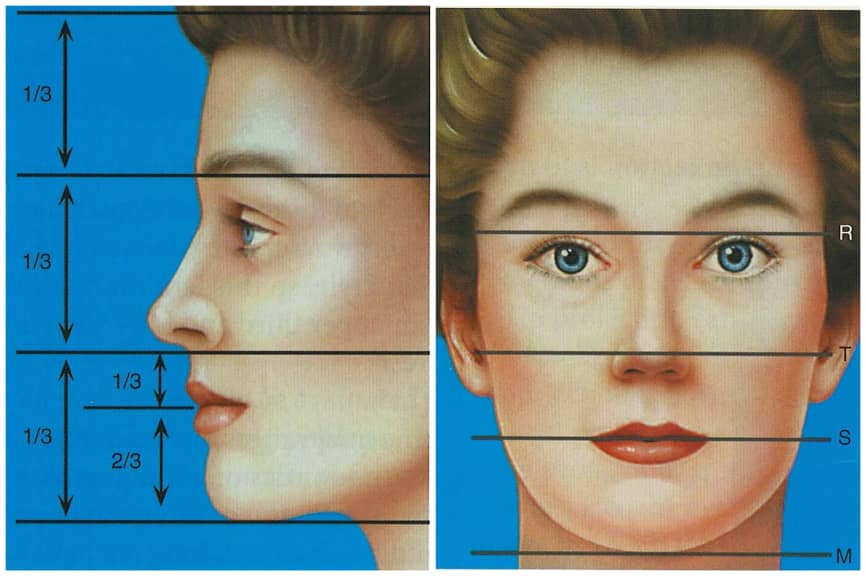
Many patients consider rhinoplasty when they feel their nose appears too large, asymmetrical, or out of proportion with their facial features. Others choose the procedure to address previous injuries or congenital concerns. Because every nose is unique, surgeons tailor the treatment plan according to individual facial anatomy for balanced and natural-looking results.
Types of Rhinoplasty
Different surgical techniques allow the surgeon to address specific concerns. Choosing the right method depends on the patient’s goals and nasal structure.
1. Open Rhinoplasty
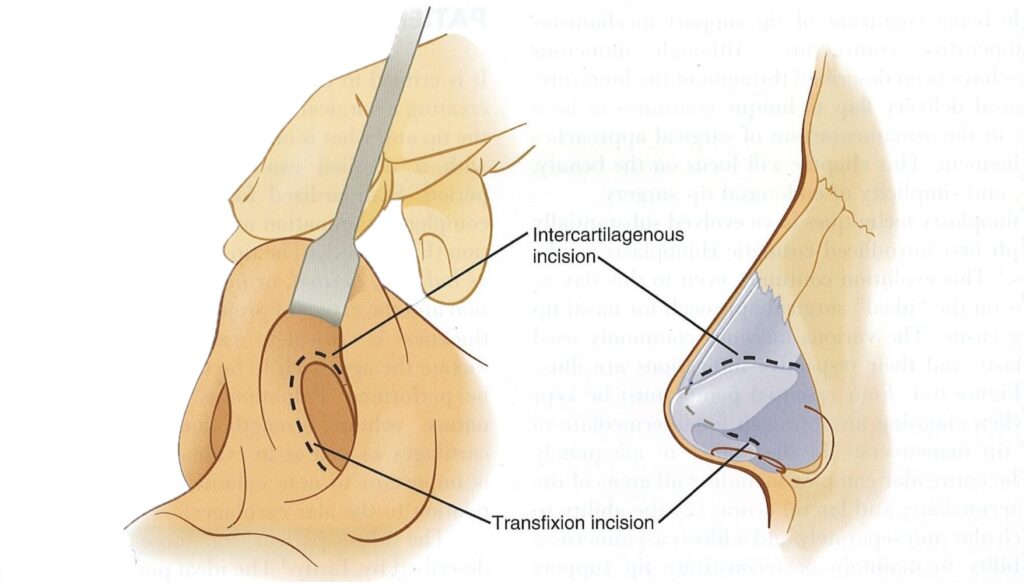
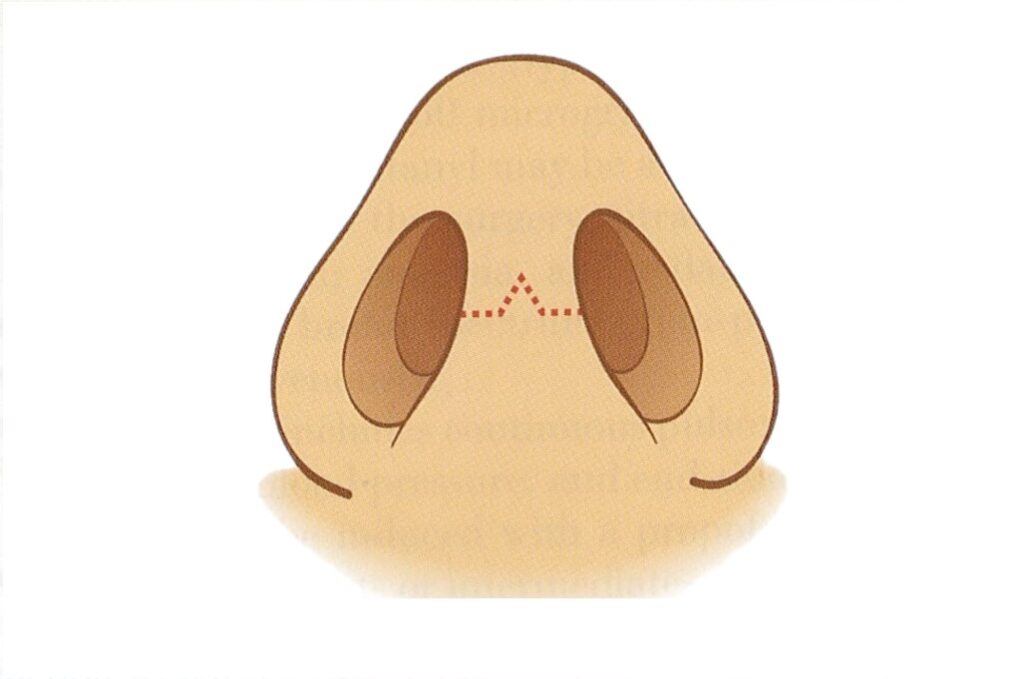
Open rhinoplasty involves a small incision between the nostrils, which allows the surgeon full visibility of nasal structures. Consequently, this technique works well for complex reshaping cases or significant structural corrections.
2. Closed Rhinoplasty
Closed rhinoplasty uses incisions placed inside the nostrils. Therefore, there are no visible external scars. Surgeons often choose this method for minor reshaping when less structural change is required.
3. Revision Rhinoplasty
Revision rhinoplasty corrects issues from a previous nose surgery. Since secondary procedures can be more complex, surgeons carefully evaluate scar tissue and structural stability before surgery.
Rhinoplasty Procedure Steps
The rhinoplasty process follows a structured approach to ensure safety and precise results.
Step 1 – Consultation and Planning
First, the surgeon evaluates facial structure and discusses patient expectations. After that, a personalized treatment plan is created to achieve natural harmony.
Step 2 – Anesthesia
Doctors perform the procedure under general anesthesia or deep sedation to ensure comfort throughout the surgery.
Step 3 – Surgical Reshaping
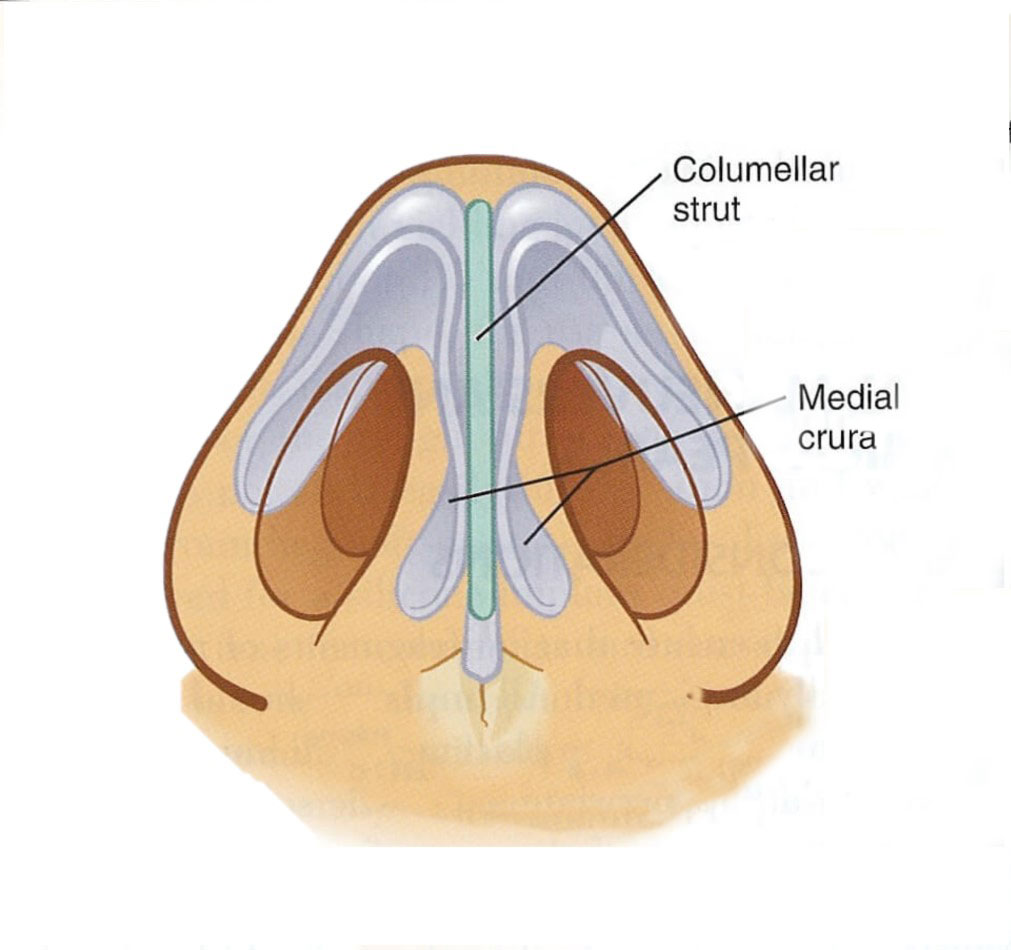
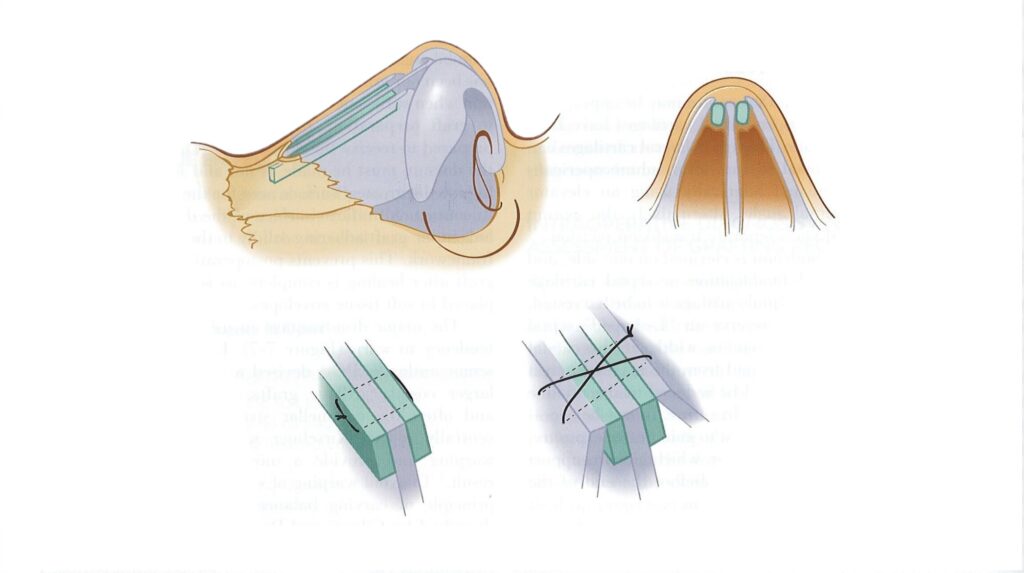
Next, the surgeon reshapes bone and cartilage depending on the chosen technique. In addition, structural adjustments improve both appearance and function when necessary.
Step 4 – Final Refinement
Finally, the surgeon carefully refines the nasal shape to maintain balance with the rest of the face. Once completed, a protective splint is placed to support healing.
Most patients return home the same day.
Recovery Timeline After Rhinoplasty
Recovery after rhinoplasty usually progresses gradually. While initial swelling and mild discomfort are normal in the early phase, patients typically notice steady improvement over time as the healing process advances.
Typical recovery stages:
- First week: swelling and mild bruising around the eyes
- 7–10 days: splint removal during follow-up visit
- 2–3 weeks: noticeable improvement in appearance
- 4–6 weeks: return to normal daily activities
- Several months: final refined results develop
Moreover, patients should avoid heavy exercise during early healing. Following post-operative instructions helps achieve smoother recovery and better long-term results.
Risks and Complications
Rhinoplasty is generally safe when performed by an experienced surgeon. However, as with any surgery, certain risks may occur.
Possible risks include:
- Temporary swelling and bruising
- Mild discomfort
- Nasal congestion during healing
- Minor asymmetry (rare)
- Infection (very uncommon)
Fortunately, proper surgical planning and aftercare significantly reduce complications.
Who Is an Ideal Candidate?
You may be a good candidate for rhinoplasty if you:
- Are physically healthy
- Have realistic expectations
- Are unhappy with the appearance or function of your nose
- Experience breathing issues due to nasal structure
- A detailed consultation is essential to determine suitability.
Rhinoplasty Cost in Dubai
The cost of Rhinoplasty in Dubai depends on several factors, including:
- The complexity of the nose reshaping procedure
- The surgical technique used
- The surgeon’s expertise and facility standards
- Individual aesthetic goals and treatment requirements
- Additional care needed during the recovery process
Additionally, a consultation helps evaluate your needs and provides a personalised cost estimate based on your Rhinoplasty treatment plan.
Results
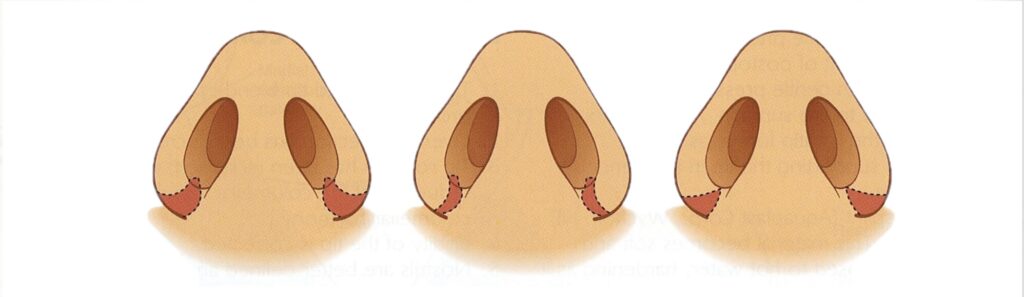
The results of Rhinoplasty surgery will be long-lasting. While initial swelling subsides within a few weeks, it may take up to a year for your new nasal contour to fully refine. During this time you may notice gradual changes in the appearance of your nose as it refines to a more permanent outcome.
If you are looking for expert Rhinoplasty in Dubai, Dr. Ahmad Houmsie provides advanced nose reshaping solutions to improve facial harmony and enhance natural appearance. With personalized treatment plans tailored to each patient, he ensures precise, balanced, and natural-looking results. Experience safe, modern, and comfortable care focused on aesthetics and function, and take the first step toward a more refined and confident facial profile today.
Frequently Asked Questions (FAQs)
Initial recovery usually takes 1 to 2 weeks, during which swelling and bruising gradually improve. Most patients return to work within 7–10 days, while final nasal shape refinement continues over several months as healing progresses.
Yes, rhinoplasty results are generally permanent because the nose structure is surgically reshaped. Although minor changes may occur naturally with aging, the improved nasal contour and facial balance remain long-lasting for most patients.
In closed rhinoplasty, scars remain hidden inside the nose. In open rhinoplasty, a small incision is made between the nostrils; however, the scar usually fades significantly over time and becomes barely noticeable with proper healing.
Yes, functional rhinoplasty can improve breathing by correcting structural issues such as a deviated septum or narrow nasal passages. As a result, patients often experience both aesthetic enhancement and better airflow after surgery.
Open rhinoplasty involves a small external incision for better surgical visibility, while closed rhinoplasty uses internal incisions only. The choice depends on nasal structure, correction complexity, and the surgeon’s recommended approach.
Initial improvements are visible after swelling reduces within a few weeks. However, final rhinoplasty results may take up to 12 months because the nose gradually refines and settles into its final shape during healing.
Yes, rhinoplasty is often combined with chin augmentation, facelift, or eyelid surgery for complete facial harmony. Combining procedures can improve overall facial balance and provide more comprehensive aesthetic enhancement results.
Open rhinoplasty involves a small external incision that allows better access to the nasal structure, while closed rhinoplasty is performed through internal incisions without visible external scars.
Common side effects include swelling, bruising, nasal congestion, mild discomfort, and temporary numbness. However, these effects are part of the normal healing process and usually improve steadily within days or weeks after surgery.
Light walking is encouraged shortly after surgery; however, strenuous activities and heavy exercise should be avoided for at least 4 to 6 weeks. This helps reduce swelling and protects the nose during the healing period.