Buccal fat removal is a cosmetic procedure designed to slim the lower cheeks by removing excess fat pads, resulting in a more sculpted and contoured facial appearance. It is commonly chosen by individuals who have naturally fuller or rounder faces and wish to achieve sharper cheek definition. By targeting the buccal fat area, this treatment enhances facial structure and improves overall balance. With modern techniques, buccal fat removal offers precise results, minimal scarring, and long-lasting facial refinement.
At our Dubai clinic, the doctor performs each buccal fat removal in Dubai with a personalized approach, carefully assessing your facial structure, cheek fullness, and aesthetic goals before selecting the most suitable technique.
What Is Buccal Fat Removal?
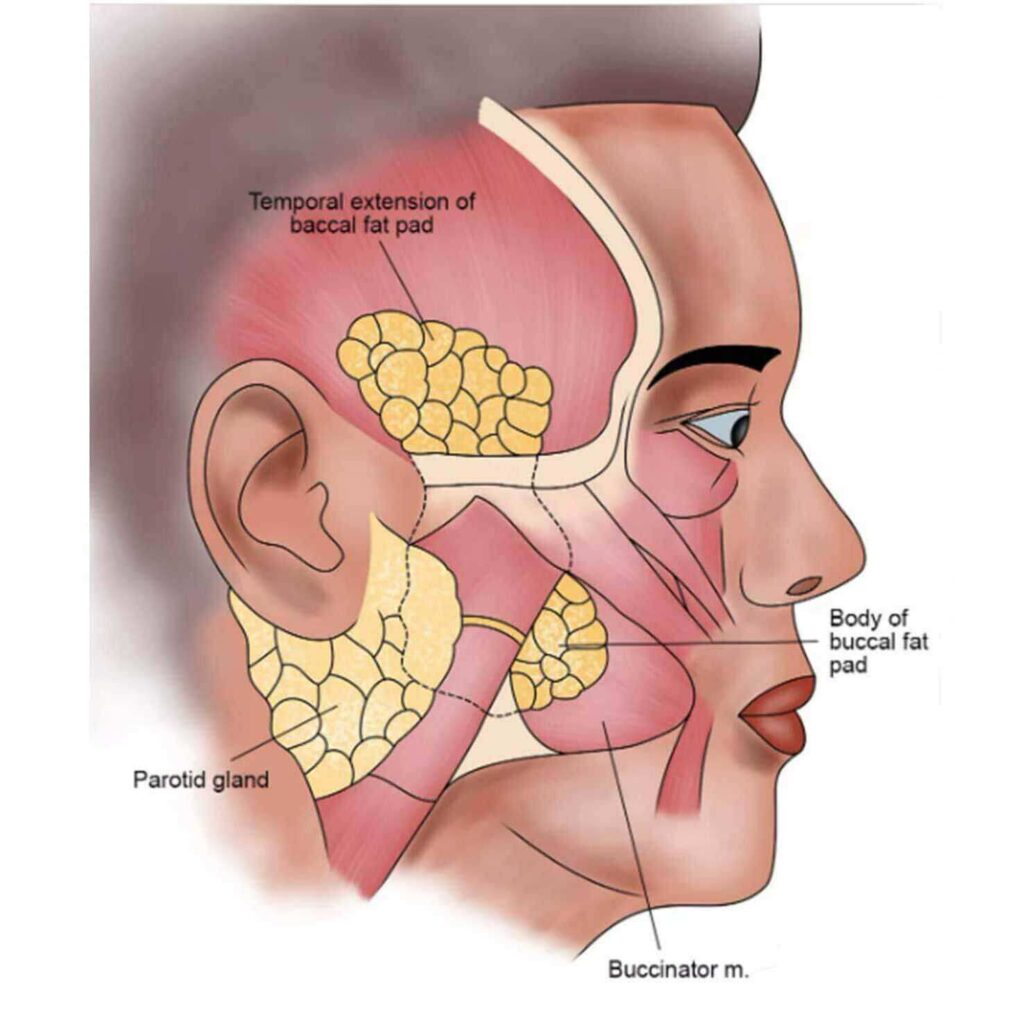
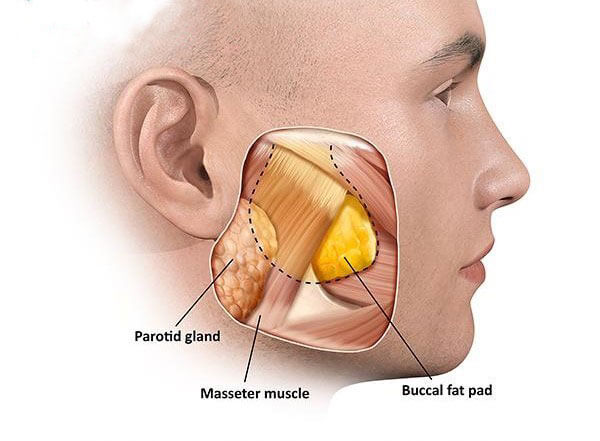
Buccal fat removal is a cosmetic surgical procedure that involves the removal of fat pads located in the lower cheeks, known as buccal fat pads. These fat deposits contribute to facial fullness and can make the face appear wider.
By carefully reducing this fat, the procedure enhances the natural contours of the face, highlighting the cheekbones and jawline. The result is a slimmer and more defined facial profile without altering the natural balance of facial features.
Benefits of Buccal Fat Removal
Buccal fat removal offers several aesthetic benefits for individuals seeking facial contouring:
- Creates a slimmer and more sculpted facial appearance
- Enhances cheekbone definition
- Improves overall facial harmony
- Reduces the appearance of a “round” or “baby face”
- Provides long-lasting results
- Boosts confidence and self-image
These benefits make it a popular choice for individuals looking for subtle yet noticeable facial enhancement. alone.
Treatment Areas
Buccal fat removal specifically targets the mid-to-lower cheek region. The key areas involved include:
- Lower cheeks where excess fat causes fullness
- Area beneath the cheekbones to improve contour
- Jawline region for better definition
The treatment focuses on refining facial structure rather than drastically changing appearance, ensuring natural-looking results.
Advantages
Choosing buccal fat removal comes with several advantages:
- Minimally invasive procedure with small internal incisions
- No visible external scars
- Short procedure duration
- Quick recovery time compared to major surgeries
- Permanent fat reduction in the treated area
- Enhanced facial proportions
These advantages contribute to the growing demand for this procedure among individuals seeking refined facial aesthetics.
Causes of Excess Buccal Fat
Excess buccal fat can occur due to several factors, including:
- Genetic predisposition leading to naturally fuller cheeks
- Facial structure and bone anatomy
- Aging-related fat distribution changes
- Overall body fat composition
- Hormonal influences
Even individuals with a slim body may have prominent buccal fat pads, which is why targeted treatment becomes beneficial.
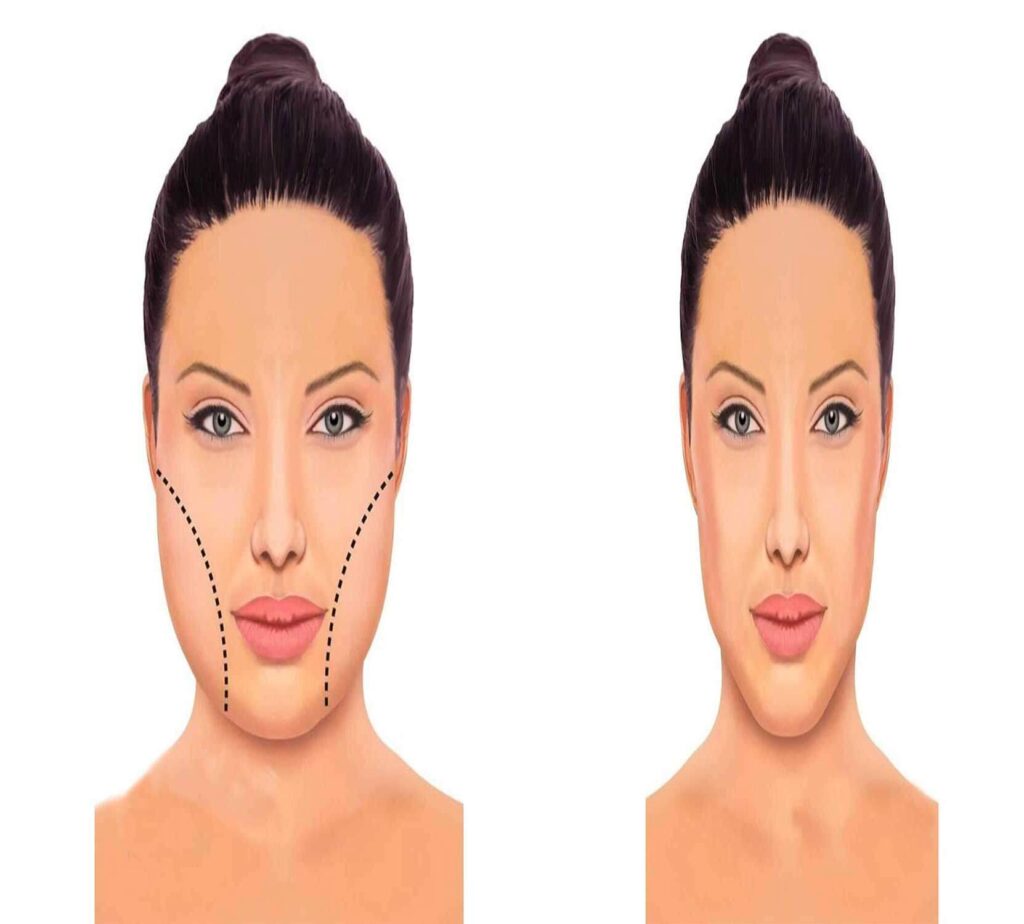
Before After
How is the Procedure Done?
Buccal fat removal is typically performed using a straightforward and precise approach:
- Local anesthesia is administered to ensure comfort
- A small incision is made inside the mouth, eliminating visible scars
- The buccal fat pad is gently accessed and partially removed
- The area is carefully sculpted to maintain facial balance
- The incision is closed with dissolvable sutures
The procedure usually takes less than an hour, and patients can return home the same day.
Who is the Ideal Candidate for Buccal Fat Removal?
Buccal fat removal is suitable for individuals who:
- Have naturally round or full cheeks
- Desire a more contoured and defined facial appearance
- Maintain a healthy weight but still experience facial fullness
- Are in good overall health
- Have realistic expectations about the results
However, individuals with very thin faces or certain medical conditions may need alternative treatments. A professional assessment is essential to determine suitability.
Why Choose Buccal Fat Removal in Dubai
Buccal fat removal is preferred for its advanced techniques, high safety standards, and natural-looking results. The procedure is minimally invasive, with no visible scars and a relatively quick recovery period.
Personalized treatment plans ensure balanced facial contouring, while modern facilities provide a comfortable and private experience. With long-lasting results and precise outcomes, it is an ideal choice for achieving a slimmer, well-defined face.
If you are looking for expert Buccal Fat Removal in Dubai, Dr. Ahmad Houmsie offers advanced facial contouring solutions to reduce cheek fullness and create a slimmer, more defined look. With personalized treatment plans tailored to each patient, he ensures natural-looking, balanced, and refined results. Experience safe, precise, and comfortable care focused on enhancing facial harmony and confidence, and take the first step toward a more sculpted appearance today.
Frequently Asked Questions (FAQs)
Yes, buccal fat removal can be combined with other facial procedures to enhance overall results and achieve more balanced facial contouring.
Yes, buccal fat removal provides long-lasting results because the fat pads are permanently removed. Once extracted, they do not regenerate, allowing individuals to maintain a slimmer facial structure over time.
The procedure typically takes between 30 to 60 minutes. It is a relatively quick treatment performed with precision, allowing patients to return home the same day with minimal downtime required.
The procedure is done under anesthesia, so there is no pain during surgery. Mild discomfort, swelling, or soreness may occur afterward, but these symptoms are temporary and manageable.
Initial changes may be visible within a few weeks, but final results appear after swelling subsides completely. This usually takes a few months, revealing a more contoured and defined facial look.
No, buccal fat removal does not leave visible scars because the incision is made inside the mouth. This makes the procedure discreet and ideal for those concerned about external marks.
Most individuals recover within one to two weeks. Swelling gradually reduces, and normal activities can be resumed within a few days, depending on individual healing and care.
Yes, it refines the face by reducing cheek volume and enhancing contours. The procedure creates a slimmer appearance while maintaining natural facial balance.
Individuals with very thin faces or certain health conditions may not be suitable candidates. A proper evaluation is necessary to ensure the procedure aligns with facial structure and goals.
Yes, it is considered safe when performed with proper techniques and care. Following aftercare instructions helps reduce risks and supports smooth healing.