
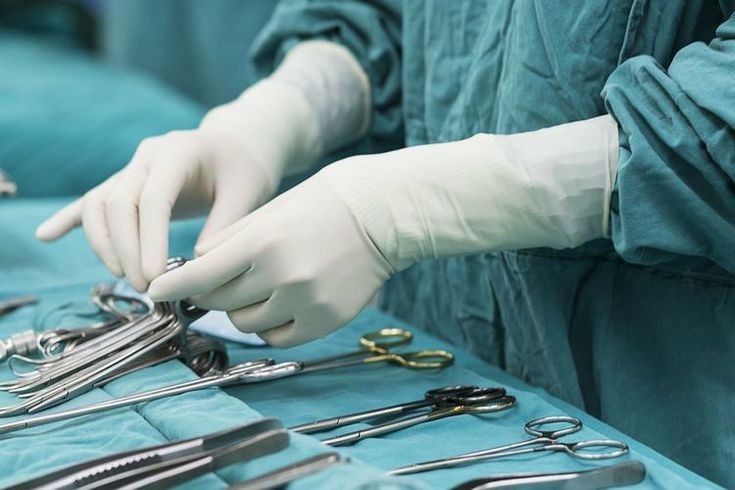
Recovering from surgery is an important part of the healing process. Whether you’ve undergone a minor procedure or a major operation, following your surgeon’s post-operative instructions is essential for reducing complications and achieving the best possible outcome. While most patients recover successfully, certain mistakes during the healing period can delay recovery, increase discomfort, or lead to infections and other complications.
Understanding Common Mistakes During Surgical Recovery can help you avoid setbacks and support a smoother, safer recovery.
Why Proper Surgical Recovery Matters
Your body needs time and care to heal after surgery. During the recovery period, tissues repair themselves, inflammation gradually decreases, and your immune system works to prevent infection. Following the recommended recovery plan can help:
- Promote faster healing
- Reduce the risk of infection
- Minimize pain and swelling
- Lower the chance of complications
- Improve surgical outcomes
- Help you return to normal activities safely
Ignoring recovery instructions can interfere with healing and increase the need for additional treatment.
1. Ignoring Your Surgeon’s Instructions
One of the most common mistakes is not following the post-operative instructions provided by your healthcare team.
These instructions may include:
- Medication schedules
- Wound care guidelines
- Activity restrictions
- Dietary recommendations
- Follow-up appointments
Always follow your surgeon’s advice, as recovery instructions are tailored to your specific procedure and health needs.
2. Returning to Normal Activities Too Soon
Feeling better does not always mean your body has fully healed.
Returning to work, exercising, lifting heavy objects, or participating in strenuous activities too early may:
- Reopen the surgical wound
- Increase bleeding
- Delay healing
- Cause pain or swelling
Resume activities only when your surgeon advises it is safe to do so.
3. Skipping Prescribed Medications
Pain medication, antibiotics, or other prescribed medicines are often an important part of recovery.
Do not:
- Skip doses
- Stop antibiotics early unless instructed
- Change medication schedules without medical advice
If you experience side effects, contact your healthcare provider rather than stopping medication on your own.
4. Poor Wound Care
Keeping the surgical site clean is essential for preventing infection.
Common mistakes include:
- Touching the wound with unwashed hands
- Removing dressings too early
- Getting the wound wet before permitted
- Ignoring dressing change instructions
Follow your surgeon’s wound care recommendations carefully.
5. Smoking During Recovery
Smoking reduces blood flow and oxygen delivery to healing tissues.
This can:
- Delay wound healing
- Increase infection risk
- Raise the chance of surgical complications
- Slow overall recovery
If possible, stop smoking before surgery and avoid tobacco throughout the recovery period.
6. Not Eating a Balanced Diet
Your body needs nutrients to repair tissues after surgery.
Include foods rich in:
- Protein
- Vitamin C
- Vitamin A
- Zinc
- Iron
- Healthy fats
- Whole grains
- Fruits and vegetables
A nutritious diet supports healing and helps maintain your energy levels.
7. Not Drinking Enough Water
Hydration plays an important role in recovery.
Drinking enough water helps:
- Maintain circulation
- Support wound healing
- Reduce constipation caused by pain medication
- Improve overall recovery
Follow your healthcare provider’s advice if you have any fluid restrictions.
8. Missing Follow-Up Appointments
Follow-up visits allow your surgeon to:
- Monitor healing
- Remove stitches or staples if necessary
- Detect complications early
- Adjust medications
- Answer your recovery questions
Even if you feel well, attend all scheduled appointments.
9. Ignoring Warning Signs
Do not ignore symptoms that may indicate a complication.
Contact your healthcare provider promptly if you experience:
- Fever
- Increasing pain
- Excessive swelling
- Redness spreading around the wound
- Pus or unusual drainage
- Persistent bleeding
- Difficulty breathing
- Severe nausea or vomiting
Early medical attention can prevent more serious complications.
10. Doing Too Little Activity
While overexertion should be avoided, prolonged bed rest is not always beneficial.
Depending on your procedure, gentle movement may help:
- Improve circulation
- Reduce the risk of blood clots
- Prevent stiffness
- Support recovery
Follow your surgeon’s recommendations regarding walking and physical activity.
11. Poor Sleep Habits
Sleep is one of the body’s most important healing tools.
Aim to:
- Get adequate rest each night
- Follow comfortable sleeping positions recommended by your surgeon
- Avoid unnecessary late nights during recovery
Quality sleep supports immune function and tissue repair.
12. Comparing Your Recovery to Others
Every patient heals at a different pace.
Recovery depends on factors such as:
- Age
- Overall health
- Type of surgery
- Lifestyle
- Existing medical conditions
Avoid comparing your progress with friends or information found online. Focus on your own recovery plan and communicate with your healthcare provider if you have concerns.
Tips for a Smooth Recovery
Support your healing by:
- Following all medical instructions
- Taking medications as prescribed
- Keeping the surgical site clean
- Eating a nutritious diet
- Staying hydrated
- Avoiding smoking and alcohol if advised
- Getting adequate rest
- Attending follow-up appointments
- Reporting unusual symptoms promptly
These simple steps can improve comfort and promote successful healing.
When Should You Contact Your Surgeon?
Seek medical advice immediately if you notice:
- High fever
- Heavy bleeding
- Severe or worsening pain
- Foul-smelling wound drainage
- Increasing redness or swelling
- Chest pain
- Shortness of breath
- Sudden swelling in the legs
Do not wait for your next appointment if you are concerned about your recovery.
Dr. Ahmad Houmsie is a highly skilled plastic and aesthetic surgeon in Dubai, with extensive clinical training and international credentials. He offers advanced cosmetic procedures for the face and body — including rhinoplasty, liposuction, breast surgery, tummy tuck, facelifts, and more — using state‑of‑the‑art techniques tailored to each patient. For anyone seeking expert guidance and transformative results, booking a consultation directly with Dr. Ahmad Houmsie ensures personalized care and professional excellence.