
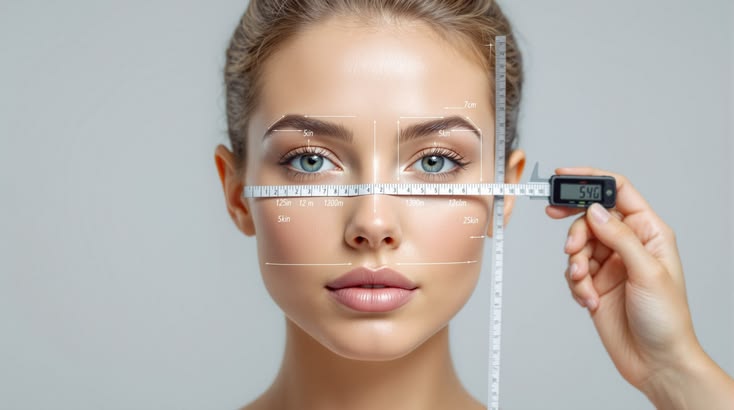
Every face is unique, but most facial structures can be grouped into a few common face shapes. Knowing your face shape can help you make informed decisions about hairstyles, eyewear, makeup, facial treatments, and even cosmetic procedures. More importantly, understanding different facial shapes helps you appreciate your natural features and how facial harmony contributes to overall appearance.
In this guide, we’ll explore the most common facial shapes, their characteristics, how to identify your own face shape, and why facial proportions are important in aesthetic and reconstructive procedures.
Why Facial Shape Matters
Your facial shape influences the overall balance and appearance of your features. Plastic surgeons, dermatologists, dentists, and beauty professionals often evaluate facial shape when planning treatments to ensure natural-looking and balanced results.
Understanding your facial shape can help with:
- Choosing flattering hairstyles
- Selecting eyeglass frames
- Applying makeup effectively
- Planning cosmetic treatments
- Enhancing facial harmony
- Understanding facial proportions
Rather than trying to fit a specific beauty standard, the goal is to highlight your natural features.
How Is Facial Shape Determined?
Facial shape is based on the relationship between several facial features, including:
- Forehead width
- Cheekbone width
- Jawline shape
- Chin shape
- Overall face length
No face is perfectly symmetrical, and many people have a combination of characteristics from more than one face shape.
Common Types of Facial Shapes
Oval Face
An oval face is often considered well-balanced because the face is slightly longer than it is wide.
Characteristics include:
- Gently rounded jawline
- Slightly wider cheekbones
- Forehead slightly wider than the jaw
- Balanced facial proportions
People with oval faces often suit a wide variety of hairstyles, glasses, and facial treatments due to their naturally balanced proportions.
Round Face
A round face has soft curves with similar width and length measurements.
Features include:
- Full cheeks
- Rounded jawline
- Rounded chin
- Wide facial appearance
The goal of many aesthetic treatments for round faces is to enhance definition while preserving natural facial softness.
Square Face
Square faces are characterized by strong, defined angles.
Common features include:
- Broad forehead
- Wide jawline
- Strong chin
- Similar face width from forehead to jaw
A square face often conveys strength and structure, making it a distinctive facial shape.
Heart-Shaped Face
A heart-shaped face is wider at the forehead and gradually narrows toward the chin.
Typical characteristics include:
- Broad forehead
- High cheekbones
- Narrow jawline
- Pointed chin
This facial shape naturally draws attention to the eyes and upper face.
Diamond Face
Diamond-shaped faces are less common and feature prominent cheekbones.
Characteristics include:
- Narrow forehead
- Wide cheekbones
- Narrow jawline
- Pointed chin
The cheekbones are usually the widest part of the face, creating a distinctive appearance.
Oblong or Rectangular Face
An oblong face is longer than it is wide.
Features often include:
- Long facial length
- Straight cheek lines
- Similar forehead and jaw width
- Less rounded jawline
This face shape has elegant proportions and may benefit from styles that create the appearance of added width.
Triangle Face
A triangle-shaped face has a wider jaw than forehead.
Common features include:
- Narrow forehead
- Broad jawline
- Strong chin
- Gradually widening lower face
This shape emphasizes the lower facial region.
How to Identify Your Face Shape
You can get a general idea of your face shape by looking in a mirror or taking a front-facing photograph.
Pay attention to:
- Which part of your face is widest?
- Is your face longer than it is wide?
- Is your jawline rounded or angular?
- Is your chin pointed, rounded, or square?
- How wide is your forehead compared to your jaw?
Keep in mind that many people have features that overlap between different facial shapes.
Why Facial Proportions Are Important
While face shape is one aspect of appearance, overall facial balance is equally important.
Plastic surgeons and aesthetic specialists evaluate:
- Facial symmetry
- Forehead proportions
- Nose position
- Lip balance
- Chin projection
- Jawline definition
- Cheekbone prominence
Rather than changing your natural facial shape, treatments are often designed to enhance harmony while preserving your unique appearance.
Facial Shapes and Cosmetic Procedures
Understanding facial shape helps guide many cosmetic and reconstructive treatments, including:
- Rhinoplasty (nose reshaping)
- Chin augmentation
- Jawline contouring
- Facelift procedures
- Dermal fillers
- Fat grafting
- Facial implants
Each procedure is carefully planned based on the individual’s anatomy and aesthetic goals.
Can Facial Shape Change?
Facial shape may gradually change over time due to factors such as:
- Aging
- Weight gain or weight loss
- Bone changes
- Loss of skin elasticity
- Dental changes
- Certain medical conditions
While these changes are a normal part of life, maintaining a healthy lifestyle and proper skincare can help support facial health and appearance.
Celebrating Individual Features
There is no “perfect” facial shape. Every face has its own beauty and character.
Modern aesthetic care focuses on:
- Enhancing natural features
- Maintaining facial balance
- Preserving individual identity
- Achieving natural-looking results
The goal is not to create identical faces but to highlight each person’s unique appearance.
Dr. Ahmad Houmsie is a highly skilled plastic and aesthetic surgeon in Dubai, with extensive clinical training and international credentials. He offers advanced cosmetic procedures for the face and body — including rhinoplasty, liposuction, breast surgery, tummy tuck, facelifts, and more — using state‑of‑the‑art techniques tailored to each patient. For anyone seeking expert guidance and transformative results, booking a consultation directly with Dr. Ahmad Houmsie ensures personalized care and professional excellence.