
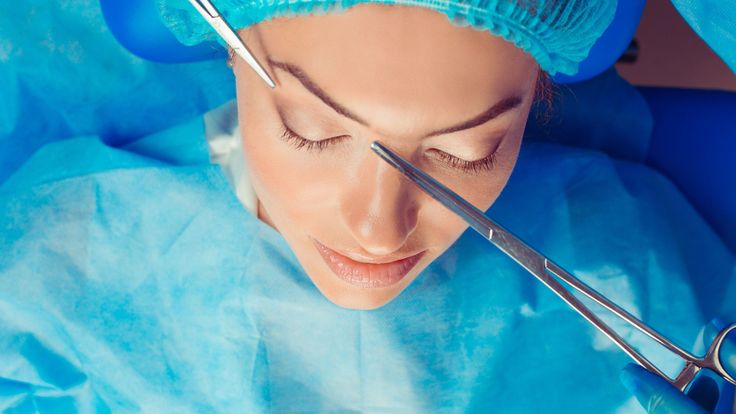
Undergoing plastic surgery is an important decision, and achieving the best possible results depends not only on the procedure itself but also on proper recovery. Every patient’s healing journey is unique, and understanding what to expect after surgery can help reduce anxiety, improve comfort, and support optimal outcomes. Understanding the Plastic Surgery Recovery Process allows patients to prepare physically and emotionally while following the necessary steps for a safe and successful recovery.
Why Recovery Is an Important Part of Plastic Surgery
Recovery is a crucial phase of any surgical procedure. During this time, the body repairs tissues, reduces inflammation, and gradually adapts to the changes made during surgery. Following your plastic surgeon’s post-operative instructions carefully can help minimize complications, improve healing, and enhance the final results.
Understanding Understanding the Plastic Surgery Recovery Process also helps patients set realistic expectations, as most procedures require time before the final outcome becomes visible.
What to Expect Immediately After Surgery
The first few hours after surgery are usually spent in a recovery area where healthcare professionals monitor your condition. Depending on the type of procedure, you may experience:
- Mild to moderate pain
- Swelling
- Bruising
- Temporary numbness
- Fatigue
- Tightness around the surgical area
These symptoms are generally expected and improve gradually over the following days or weeks.
Your surgeon may prescribe pain medication and provide instructions for wound care before you return home.
The First Week of Recovery
The initial week is often the most important stage of healing. During this period, patients should prioritize rest and avoid strenuous activities.
General recommendations include:
- Take prescribed medications as directed.
- Keep surgical dressings clean and dry.
- Attend scheduled follow-up appointments.
- Avoid heavy lifting.
- Sleep in the position recommended by your surgeon.
- Stay well hydrated.
- Eat nutritious meals that support healing.
Some swelling and bruising are normal and usually begin to improve by the end of the first week.
Managing Pain and Swelling
Pain and swelling are natural responses to surgery. Fortunately, they can often be managed effectively.
Helpful strategies include:
- Taking pain medication exactly as prescribed.
- Applying cold compresses if recommended.
- Wearing compression garments when instructed.
- Elevating the treated area when appropriate.
- Avoiding activities that increase swelling.
Never use over-the-counter medications without your surgeon’s approval, as some may increase the risk of bleeding.
The Importance of Proper Nutrition
Nutrition plays a major role in recovery. A balanced diet provides the nutrients needed for tissue repair and immune function.
Focus on foods rich in:
- Lean protein
- Vitamin C
- Zinc
- Iron
- Whole grains
- Fruits
- Vegetables
- Healthy fats
Drink plenty of water to stay hydrated and support circulation. Limiting processed foods, excessive sugar, and alcohol may also promote better healing.
Physical Activity During Recovery
Rest is essential during the early stages of healing, but gentle movement is also beneficial.
Light walking, if approved by your surgeon, can help:
- Improve blood circulation
- Reduce the risk of blood clots
- Prevent stiffness
- Support overall recovery
Avoid vigorous exercise, heavy lifting, and intense physical activity until your surgeon confirms it is safe to resume.
Caring for Your Incisions
Proper wound care reduces the risk of infection and promotes better scar healing.
Follow your surgeon’s instructions carefully regarding:
- Cleaning the incision
- Changing dressings
- Bathing or showering
- Applying recommended ointments
- Protecting scars from direct sunlight
Do not remove stitches or surgical tape unless instructed by your healthcare provider.
Follow-Up Appointments Matter
Regular follow-up visits allow your surgeon to monitor healing and address any concerns early.
During these appointments, your surgeon may:
- Assess wound healing
- Remove stitches if necessary
- Monitor swelling
- Evaluate your progress
- Provide updated recovery instructions
Attending every scheduled appointment is an essential part of Understanding the Plastic Surgery Recovery Process.
Emotional Recovery
Recovery is not only physical—it can also involve emotional adjustments. Temporary swelling and bruising may prevent you from seeing the final results immediately, which can sometimes lead to frustration or anxiety.
Maintaining realistic expectations and staying in regular communication with your surgical team can help ease these concerns. Support from family and friends can also make the recovery period more comfortable.
Warning Signs That Require Medical Attention
While most patients recover without major problems, certain symptoms require immediate medical evaluation.
Contact your surgeon if you experience:
- Fever
- Increasing redness around the incision
- Pus or unusual drainage
- Severe swelling
- Excessive bleeding
- Difficulty breathing
- Persistent severe pain
- Sudden swelling in one leg
Prompt treatment can help prevent serious complications.
Tips for a Smooth Recovery
To support healing after plastic surgery:
- Follow all post-operative instructions carefully.
- Take medications exactly as prescribed.
- Eat a healthy, balanced diet.
- Stay hydrated.
- Avoid smoking and tobacco products.
- Limit alcohol intake.
- Get enough sleep each night.
- Attend all follow-up appointments.
- Be patient with the healing process.
Recovery takes time, and following these recommendations can improve both safety and results.
Dr. Ahmad Houmsie is a highly skilled plastic and aesthetic surgeon in Dubai, with extensive clinical training and international credentials. He offers advanced cosmetic procedures for the face and body — including rhinoplasty, liposuction, breast surgery, tummy tuck, facelifts, and more — using state‑of‑the‑art techniques tailored to each patient. For anyone seeking expert guidance and transformative results, booking a consultation directly with Dr. Ahmad Houmsie ensures personalized care and professional excellence.