
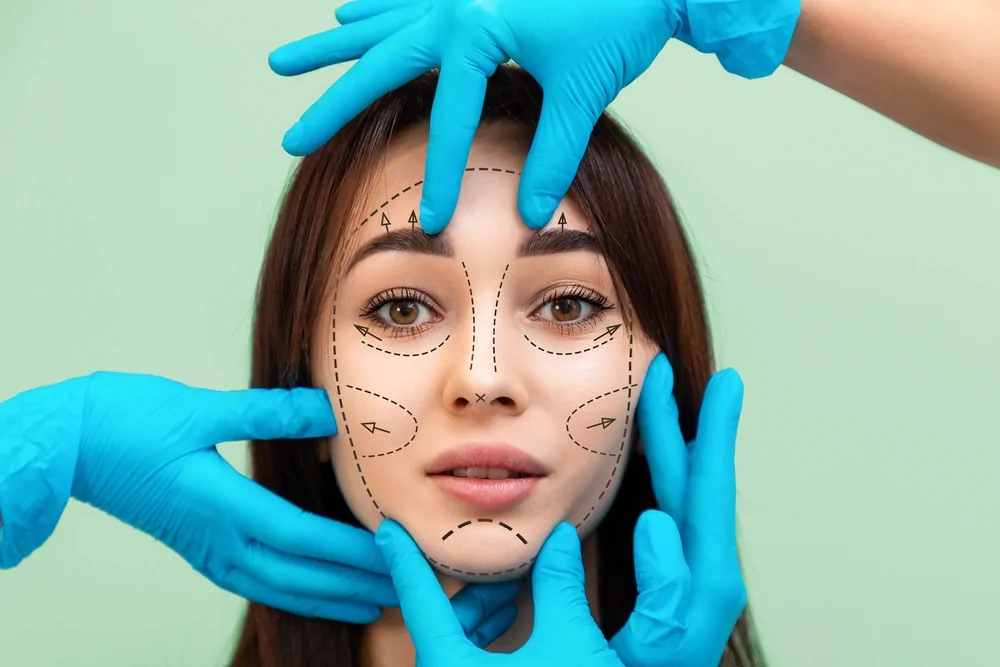
Facial structure plays an important role in cosmetic surgery because every face has its own proportions, contours, bone structure, and soft-tissue characteristics. Cosmetic procedures are not designed around a single facial template. Instead, treatment planning considers the natural anatomy of the face to create changes that complement existing features. Understanding how facial structure influences cosmetic surgery can help patients appreciate why procedures and results can vary from one person to another.
The Importance of Facial Proportions
Facial proportions describe the relationship between different areas of the face, including the forehead, eyes, nose, cheeks, lips, chin, and jawline. Cosmetic surgery often aims to improve balance between these features rather than changing one area in isolation.
For example, the size and projection of the chin can influence how prominent the nose appears from the side. Similarly, cheek volume can affect the appearance of the lower face and jawline. During treatment planning, these relationships may be considered to achieve a harmonious overall appearance.
Bone Structure and Cosmetic Surgery
Underlying facial bones provide the foundation for the face. The shape of the forehead, eye sockets, cheekbones, jaw, and chin can influence both facial appearance and the techniques used during cosmetic procedures.
A person with a wider jaw may have different aesthetic considerations from someone with a narrower lower face. Likewise, differences in chin projection can influence the profile. Procedures such as chin augmentation, jawline contouring, or facial implants may therefore require careful assessment of the existing bone structure.
Understanding the underlying anatomy also helps surgeons determine appropriate surgical approaches and anticipate how changes to one area may affect surrounding features.
The Role of the Nose in Facial Balance
The nose is positioned at the center of the face, making its shape and size an important part of overall facial harmony. Rhinoplasty can modify aspects such as the nasal bridge, tip, width, or projection.
However, the ideal nasal appearance is not necessarily the same for every individual. A nose that appears balanced on one face may look disproportionate on another because of differences in chin projection, cheek structure, forehead shape, and facial width.
For this reason, rhinoplasty planning commonly considers the relationship between the nose and the rest of the face rather than focusing exclusively on the nose.
Cheekbones and Midface Contours
Cheekbones contribute significantly to facial definition and midface appearance. Their natural projection and position can influence how light and shadow appear across the face.
Cosmetic procedures involving the cheeks may include volume enhancement, reduction, or contouring depending on the individual’s anatomy and goals. Facial structure helps determine whether changes should focus on adding definition, restoring volume, or creating a more balanced transition between the eyes, cheeks, and lower face.
The goal is generally to complement the existing facial framework rather than create an isolated change.
Chin and Jawline Considerations
The chin and jawline strongly influence the lower third of the face. A recessed or less projected chin can affect facial profile, while a broader or more prominent jaw can create a different overall facial shape.
Procedures such as chin augmentation, genioplasty, or jawline contouring may be considered depending on anatomical characteristics and aesthetic goals. In some cases, improving chin projection can create a more balanced relationship between the chin, lips, and nose.
Because the lower face contains important nerves, muscles, blood vessels, and bone structures, detailed anatomical assessment is an important part of surgical planning.
Facial Symmetry and Natural Variation
Perfect facial symmetry is uncommon. Small differences between the left and right sides of the face are normal and may be influenced by bone structure, muscle activity, soft tissue, or previous injury.
Cosmetic surgery may sometimes improve noticeable asymmetry, but complete symmetry is not always realistic or necessary. Treatment planning should take natural variations into account and focus on proportion and balance.
Recognizing these differences also helps establish realistic expectations before surgery.
Skin, Soft Tissue, and Facial Aging
Facial structure is only one part of cosmetic surgery planning. Skin quality and soft-tissue characteristics also influence how a procedure may look and how the face changes over time.
Factors such as skin elasticity, facial fat distribution, muscle movement, and age can affect the appearance of cosmetic results. For example, procedures intended to improve facial contour may need to consider both the underlying framework and the soft tissue covering it.
During facial aging, changes in skin elasticity, fat compartments, and bone volume can alter facial proportions. Cosmetic treatment may therefore involve different approaches at different stages of life.
Combining Procedures for Facial Harmony
In some situations, treating more than one facial area can provide a more balanced result than focusing on a single feature. For example, the relationship between the nose and chin may be considered when evaluating facial profile, while cheek and jawline structure may be assessed together when planning facial contouring.
Combining procedures does not mean that multiple treatments are necessary for everyone. The appropriate approach depends on anatomy, health, aesthetic goals, and professional assessment.
Personalized Cosmetic Surgery Planning
Because facial structures vary considerably, cosmetic surgery should be personalized rather than based on a standard approach. A detailed consultation may involve evaluating facial proportions, bone structure, skin quality, soft tissue, symmetry, and the relationship between individual features.
Digital imaging or other planning techniques may sometimes be used to help discuss potential changes, although these tools should be considered planning aids rather than guarantees of surgical results.
A thorough assessment can also help identify suitable procedures, explain limitations, and establish realistic expectations.
Dr. Ahmad Houmsie is a highly skilled plastic and aesthetic surgeon in Dubai, with extensive clinical training and international credentials. He offers advanced cosmetic procedures for the face and body — including rhinoplasty, liposuction, breast surgery, tummy tuck, facelifts, and more — using state‑of‑the‑art techniques tailored to each patient. For anyone seeking expert guidance and transformative results, booking a consultation directly with Dr. Ahmad Houmsie ensures personalized care and professional excellence.