
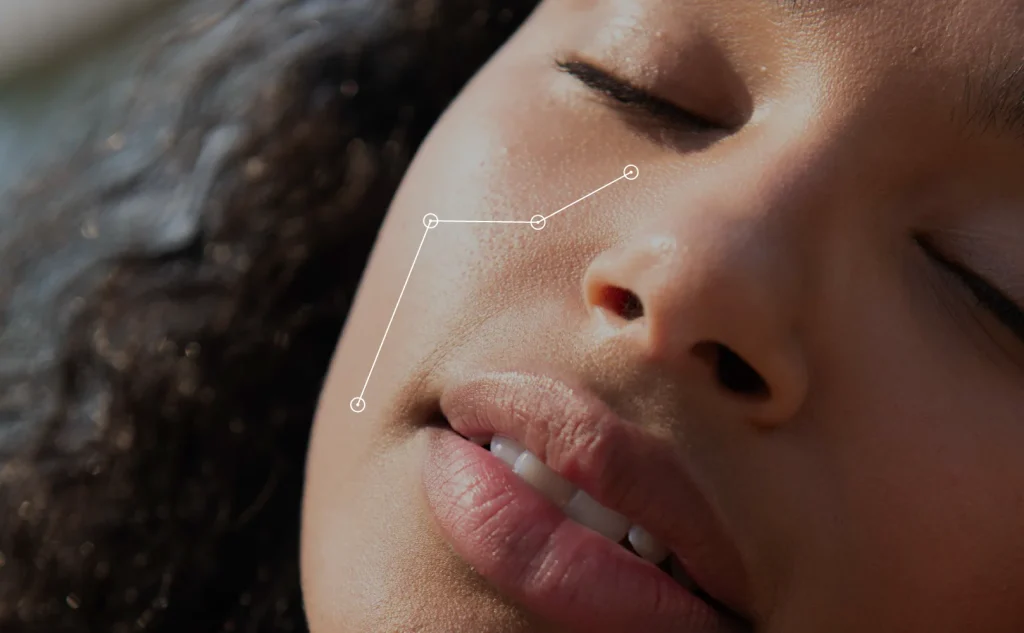
Skin naturally changes as we age, and one of the most noticeable changes is the gradual loss of elasticity. Firm, youthful skin owes much of its strength and flexibility to collagen and elastin, two essential proteins found in the deeper layers of the skin. Over time, the production of these proteins slows, causing the skin to become thinner, less resilient, and more prone to fine lines and sagging. Understanding Age-Related Changes in Skin Elasticity can help you adopt healthy habits and skincare practices that support healthier-looking skin at every stage of life.
What Is Skin Elasticity?
Skin elasticity is the skin’s ability to stretch and return to its original shape. Healthy, elastic skin feels firm, smooth, and resilient. This flexibility is maintained by collagen, which provides structure, and elastin, which allows the skin to bounce back after movement or stretching.
As these proteins naturally decrease with age, the skin gradually loses its firmness and flexibility.
Why Does Skin Elasticity Decrease With Age?
The aging process affects the skin in several ways. Over time, collagen and elastin production slows, skin renewal becomes less efficient, and natural moisture levels decline. These changes can make the skin appear thinner and less firm.
Several factors contribute to reduced skin elasticity, including:
- Natural aging
- Long-term sun exposure
- Smoking
- Poor nutrition
- Chronic stress
- Inadequate sleep
- Environmental pollution
While aging cannot be prevented, healthy lifestyle choices can help support skin health.
Common Signs of Reduced Skin Elasticity
Loss of skin elasticity develops gradually and varies from person to person.
Common signs include:
- Fine lines and wrinkles
- Mild skin sagging
- Reduced firmness
- Thinner skin
- Less defined facial contours
- Slower recovery after facial expressions
These changes are a normal part of the aging process.
The Role of Collagen and Elastin
Collagen is the most abundant structural protein in the skin, providing strength and support. Elastin allows the skin to stretch and return to its normal position after movement.
As collagen and elastin production naturally decreases with age, the skin becomes less flexible and more susceptible to visible signs of aging.
Maintaining healthy skin supports the natural function of these important proteins.
Protect Your Skin From Sun Exposure
Ultraviolet (UV) rays are one of the leading external factors that accelerate skin aging. Excessive sun exposure can damage collagen and elastin, contributing to premature wrinkles and reduced elasticity.
Protect your skin by:
- Applying broad-spectrum sunscreen daily
- Wearing protective clothing
- Seeking shade during peak sunlight hours
- Wearing sunglasses and wide-brimmed hats outdoors
Daily sun protection is one of the most effective ways to support long-term skin health.
Maintain a Healthy Skincare Routine
A consistent skincare routine helps keep the skin clean, hydrated, and protected.
Basic skincare habits include:
- Gentle cleansing
- Daily moisturizing
- Regular sunscreen application
- Avoiding harsh products that may irritate the skin
Healthy skincare supports the skin’s natural barrier and overall appearance.
Nutrition Supports Healthy Skin
The skin depends on a variety of nutrients to maintain its structure and function.
Choose foods rich in:
- Vitamin C
- Vitamin E
- Healthy fats
- Lean proteins
- Fruits and vegetables
- Whole grains
Drinking enough water also helps maintain healthy skin hydration.
Healthy Lifestyle Habits Matter
Overall health has a direct impact on skin quality.
Healthy lifestyle choices include:
- Getting regular exercise
- Sleeping seven to nine hours each night
- Managing stress
- Avoiding tobacco products
- Limiting excessive alcohol consumption
- Staying hydrated
These habits support healthy skin from the inside out.
Professional Skin Assessments
If you notice significant changes in your skin, consulting a qualified healthcare or dermatology professional can help determine the most appropriate skincare plan.
A professional evaluation may include:
- Skin assessment
- Discussion of skincare habits
- Recommendations for preventive care
- Guidance on appropriate treatment options when necessary
Personalized advice helps address individual skin concerns safely.
Setting Realistic Expectations
Skin aging is a natural process that cannot be completely prevented. The goal of healthy skincare is to maintain skin health, protect against unnecessary damage, and support a naturally refreshed appearance.
Consistency with healthy habits often produces better long-term results than seeking quick fixes.
When Should You Seek Professional Advice?
Consider consulting a healthcare professional if you notice:
- Rapid or unusual skin changes
- New or changing skin lesions
- Persistent skin irritation
- Severe dryness
- Unexplained skin discoloration
- Concerns about premature skin aging
Early evaluation can help identify any underlying skin conditions and guide appropriate care.
Dr. Ahmad Houmsie is a highly skilled plastic and aesthetic surgeon in Dubai, with extensive clinical training and international credentials. He offers advanced cosmetic procedures for the face and body — including rhinoplasty, liposuction, breast surgery, tummy tuck, facelifts, and more — using state‑of‑the‑art techniques tailored to each patient. For anyone seeking expert guidance and transformative results, booking a consultation directly with Dr. Ahmad Houmsie ensures personalized care and professional excellence.