
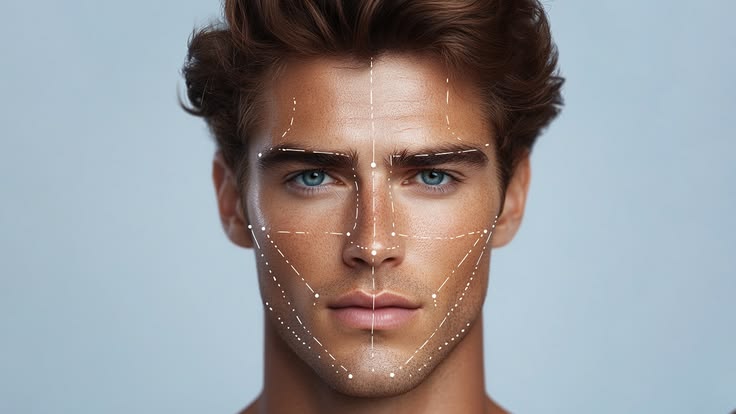
Facial structure plays an important role in how the face looks, including its proportions, definition, symmetry, and overall character. In men, features such as the jawline, chin, cheekbones, forehead, nose, and facial width can influence the appearance of strength, balance, and maturity. Understanding How Facial Structure Influences Male Aesthetics can help explain why aesthetic treatments are increasingly focused on individualized facial proportions rather than applying the same approach to every person.
Understanding Male Facial Structure
Male facial anatomy has several characteristics that can contribute to a traditionally masculine appearance. Men often have broader facial proportions, stronger jawlines, more prominent brow areas, and different patterns of facial fat and muscle distribution compared with women.
However, there is considerable natural variation between individuals. Genetics, age, ethnicity, body composition, and lifestyle can all influence facial structure. Therefore, there is no single facial shape that is appropriate for every man.
The Role of Facial Proportions
Facial proportions influence how individual features relate to one another. A chin that appears balanced with the nose and lips, for example, can contribute to overall facial harmony. Similarly, the relationship between the forehead, cheekbones, jawline, and lower face can affect how the face is perceived.
Aesthetic planning often considers the entire face rather than focusing on one isolated feature. Improving one area without considering surrounding structures may sometimes create an unbalanced appearance. For this reason, facial assessment is an important part of personalized aesthetic planning.
Importance of the Jawline
The jawline is one of the most recognizable components of male facial aesthetics. A defined lower face can contribute to a stronger and more structured appearance.
Jawline definition is influenced by bone structure, muscle development, skin elasticity, and the amount and distribution of facial fat. Aging can also affect the jawline as skin becomes less elastic and facial volume changes.
Depending on the individual’s concerns, aesthetic treatments may focus on improving definition or addressing changes associated with aging. The appropriate approach depends on facial anatomy and treatment goals.
The Influence of the Chin
The chin contributes significantly to lower-face balance. Its size, projection, width, and relationship with the jaw and nose can influence the overall appearance of the profile.
A chin that is proportionate to other facial structures can create a more harmonious profile. Conversely, a relatively recessed or prominent chin may change the perceived balance of the face.
Professional assessment can help determine whether a concern is primarily related to the chin itself or to surrounding facial structures.
Cheekbones and Midface Definition
The cheekbones contribute to the shape and width of the middle portion of the face. In men, a well-defined midface can contribute to a structured appearance while maintaining natural facial character.
Changes in facial volume with age can affect the appearance of the cheeks. Loss of volume may create a flatter or more tired appearance, while excessive volume in certain areas can alter facial proportions.
Aesthetic planning should therefore consider how cheek structure interacts with the eyes, nose, jaw, and other facial features.
Facial Symmetry and Balance
Facial symmetry is another factor that influences aesthetic perception. Perfect symmetry is uncommon and is not necessarily required for an attractive appearance. Small differences between the two sides of the face are normal.
The goal of aesthetic treatment is generally not to create artificial perfection. Instead, treatment planning may focus on maintaining natural characteristics while improving noticeable imbalances when appropriate.
Skin Quality and Facial Structure
Although bone and soft-tissue structure provide the foundation of facial appearance, skin quality also has an important role. Skin texture, elasticity, hydration, pigmentation, and signs of aging can influence how facial contours are perceived.
For example, good skin elasticity can help maintain clearer facial contours, while loose skin may reduce the visible definition of the jawline. This is why male aesthetic planning may involve both structural and skin-related considerations.
Aging and Changes in Facial Anatomy
Facial structure changes naturally with age. Bone remodeling, changes in fat distribution, reduced collagen production, muscle changes, and skin laxity can all influence facial appearance.
Men may notice deeper facial lines, reduced jawline definition, changes around the eyes, or alterations in cheek volume over time.
Aesthetic treatments for mature men should account for these changes rather than attempting to recreate an entirely different facial structure. Maintaining natural proportions is generally an important consideration.
Personalized Male Aesthetic Planning
Every man’s facial structure is different, which makes individualized assessment essential. A treatment that works well for one facial shape may not provide the same result for another.
During a professional consultation, facial proportions, skin condition, soft-tissue volume, muscle activity, and individual goals can be evaluated. This allows treatment recommendations to be based on anatomy rather than trends.
Personalized planning can also help establish realistic expectations and determine whether surgical, non-surgical, or no treatment is appropriate.
Natural-Looking Results
Modern male aesthetics increasingly focuses on subtle and natural-looking improvements. The objective may be to enhance existing facial characteristics while preserving masculine identity and natural expressions.
Overcorrection can sometimes make facial changes appear unnatural. Careful treatment planning can help maintain appropriate proportions and avoid excessive alteration of individual features.
Dr. Ahmad Houmsie is a highly skilled plastic and aesthetic surgeon in Dubai, with extensive clinical training and international credentials. He offers advanced cosmetic procedures for the face and body — including rhinoplasty, liposuction, breast surgery, tummy tuck, facelifts, and more — using state‑of‑the‑art techniques tailored to each patient. For anyone seeking expert guidance and transformative results, booking a consultation directly with Dr. Ahmad Houmsie ensures personalized care and professional excellence.