
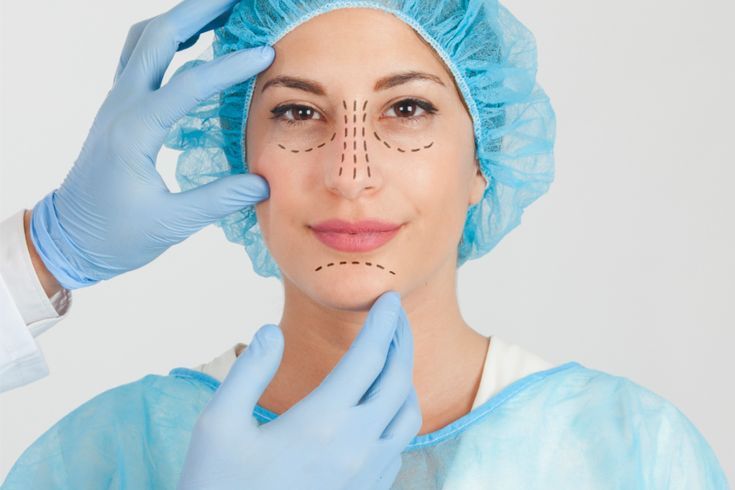
Regenerative medicine is becoming an increasingly discussed area within modern healthcare, including the field of plastic and aesthetic surgery. While traditional plastic surgery focuses on reshaping, restoring, or reconstructing tissues, regenerative approaches aim to support the body’s natural healing and tissue-repair processes. This evolving field may influence how some plastic surgery procedures are planned, performed, and followed over time. Understanding How Regenerative Medicine May Influence Plastic Surgery can help patients learn more about emerging approaches to tissue healing, skin quality, and recovery.
Understanding Regenerative Medicine in Plastic Surgery
Regenerative medicine involves techniques designed to support the body’s natural ability to repair and renew tissues. Depending on the treatment, approaches may involve cells, growth factors, biologically derived materials, or other regenerative substances.
In plastic surgery, these approaches may be explored alongside surgical procedures to support tissue quality and healing. They are not necessarily replacements for established surgical techniques. Instead, regenerative strategies may complement surgery in selected cases when appropriate.
Supporting Tissue Healing After Surgery
One potential area of interest is postoperative healing. Surgical procedures naturally place stress on tissues, and the body requires time to repair the affected area. Regenerative medicine may help support biological processes involved in tissue recovery.
Some regenerative approaches are being studied for their potential role in supporting cellular activity, blood supply, collagen production, and tissue repair. However, the effectiveness can vary depending on the technique, treatment area, patient characteristics, and underlying health.
Improving Skin Quality and Tissue Health
Plastic surgery is not only concerned with reshaping tissues. Skin quality also plays an important role in aesthetic outcomes. Healthy skin with good elasticity and adequate collagen can contribute to a more natural appearance.
Regenerative medicine may influence plastic surgery by introducing additional approaches for supporting skin quality. Certain regenerative treatments may encourage collagen and elastin-related processes, potentially improving skin texture, firmness, and overall appearance.
These treatments may be considered independently or as part of a broader aesthetic treatment plan, depending on the patient’s goals.
Supporting Reconstructive Surgery
Regenerative medicine may also have relevance in reconstructive plastic surgery. Patients undergoing reconstruction after injury, burns, cancer treatment, or other conditions may require complex tissue repair.
Researchers continue to investigate how regenerative techniques could support the restoration of damaged or compromised tissues. Areas of interest include wound healing, tissue regeneration, scar management, and the development of improved biological materials.
Although research is continuing, these developments could potentially expand the tools available to reconstructive surgeons in the future.
Potential Influence on Scar Management
Scarring is a natural part of the healing process following surgery. The appearance of scars can depend on factors such as genetics, skin type, surgical technique, wound care, and healing response.
Regenerative approaches are being investigated for their possible effects on tissue remodeling and collagen activity. This may create additional possibilities for supporting scar quality after certain procedures.
However, regenerative medicine does not guarantee scar prevention or complete scar removal. Patients should have realistic expectations and follow their surgeon’s postoperative care instructions.
Personalized Treatment Planning
Another potential influence of regenerative medicine is the move toward more personalized treatment strategies. Every patient has different anatomy, skin characteristics, medical history, healing capacity, and aesthetic goals.
Future regenerative approaches may allow surgeons to consider biological factors alongside traditional surgical planning. This could support more individualized treatment strategies rather than relying on the same approach for every patient.
Personalized care remains important because a treatment that may be suitable for one person may not be appropriate for another.
Combining Regenerative Approaches With Aesthetic Procedures
Regenerative treatments may sometimes be considered alongside non-surgical aesthetic procedures. Depending on the individual treatment plan, they may be combined with procedures intended to improve skin texture, hydration, elasticity, or signs of aging.
The goal of combining treatments is generally to address different aspects of appearance and tissue quality. Surgical procedures can focus on structural changes, while regenerative approaches may focus more on tissue support.
Any combination should be planned by a qualified medical professional after evaluating the patient’s needs and medical history.
Advances in Research and Technology
The field of regenerative medicine continues to develop. Researchers are studying new ways to use biological materials, cells, tissue engineering, and growth-related mechanisms to support healing.
In plastic surgery, future developments may include improved methods for tissue regeneration, wound management, scar care, and reconstructive procedures. However, not every emerging technique has the same level of scientific evidence or regulatory approval.
Patients should therefore distinguish between established treatments and experimental approaches.
Importance of Professional Evaluation
Regenerative medicine can involve sophisticated biological techniques, so professional assessment is essential. A qualified plastic surgeon or appropriate medical specialist can determine whether a regenerative approach is relevant to a patient’s situation.
During consultation, patients should discuss their goals, medical history, medications, allergies, previous procedures, and expectations. Understanding potential benefits, limitations, risks, recovery requirements, and available alternatives can help patients make informed decisions.
The Future of Regenerative Medicine and Plastic Surgery
The relationship between regenerative medicine and plastic surgery is likely to continue developing as research advances. Rather than replacing conventional surgery, regenerative techniques may increasingly complement established procedures by focusing on tissue quality, healing, and biological recovery.
As evidence grows, regenerative medicine may influence surgical planning, reconstructive techniques, postoperative care, and aesthetic treatment strategies. Continued research will be important for determining which approaches provide meaningful and reliable benefits.
Dr. Ahmad Houmsie is a highly skilled plastic and aesthetic surgeon in Dubai, with extensive clinical training and international credentials. He offers advanced cosmetic procedures for the face and body — including rhinoplasty, liposuction, breast surgery, tummy tuck, facelifts, and more — using state‑of‑the‑art techniques tailored to each patient. For anyone seeking expert guidance and transformative results, booking a consultation directly with Dr. Ahmad Houmsie ensures personalized care and professional excellence.