
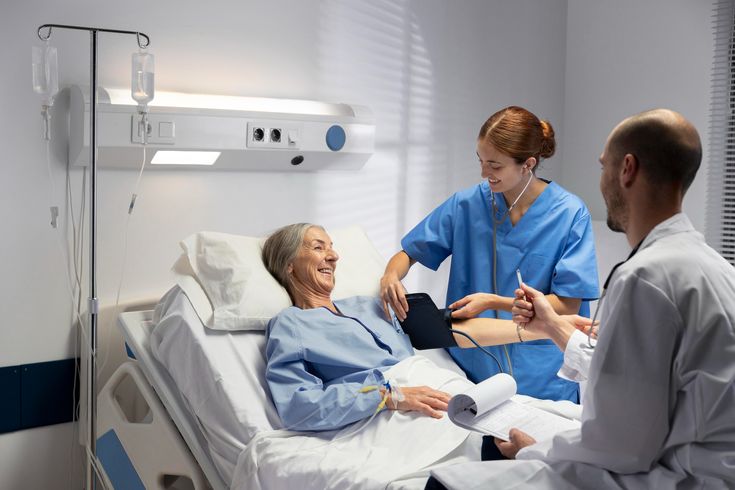
Surgical recovery involves much more than physical healing. After a procedure, patients may experience changes in energy, sleep, mobility, appearance, comfort, and daily routines. These changes can affect emotions and confidence, particularly during the first few days or weeks. Feelings of anxiety, frustration, sadness, impatience, or uncertainty can sometimes occur even when recovery is progressing normally. Emotional support during surgical recovery can help patients manage these challenges and approach the healing process with greater confidence.
Understanding Emotional Changes After Surgery
The body uses significant energy to heal after surgery. Discomfort, swelling, bruising, tiredness, medication effects, and changes in sleep can temporarily influence mood. Being less active than usual can also affect a person’s sense of independence.
Some patients may feel positive and relieved after surgery, while others may experience moments of worry or regret. These emotions can change from day to day. Understanding that recovery is a gradual process can help patients avoid placing unnecessary pressure on themselves.
Setting Realistic Recovery Expectations
Having realistic expectations is an important part of emotional wellbeing. Depending on the procedure, swelling, bruising, tightness, soreness, scars, or temporary changes in appearance may occur during the healing period.
The early appearance of a surgical area may not represent the final result. Healing can take time, and tissues may continue to change as swelling decreases and scars mature. Patients should follow their surgeon’s instructions and allow the body sufficient time to recover.
Building a Strong Support System
Family members, friends, and trusted people can provide valuable support during recovery. Practical assistance may include preparing meals, helping with household responsibilities, arranging transportation, or accompanying the patient to follow-up appointments.
Emotional support is equally important. Having someone who listens patiently and provides encouragement can reduce feelings of isolation. Patients should communicate their needs clearly rather than feeling that they have to manage everything independently.
Maintaining Communication With the Healthcare Team
Questions and concerns are common during surgical recovery. Patients should communicate with their healthcare team when they are uncertain about symptoms, healing progress, activity levels, medications, or postoperative care.
Clear communication can reduce unnecessary anxiety and prevent patients from relying on unreliable information. Keeping a written list of questions can also make follow-up appointments more useful.
Managing Anxiety During Healing
Uncertainty can sometimes increase anxiety after surgery. Patients may repeatedly check the treated area, worry about temporary changes, or compare their progress with photographs found online.
A healthier approach is to focus on professional guidance and the expected recovery timeline. Relaxation techniques, calm breathing, reading, listening to music, and spending time with supportive people may also help reduce everyday stress.
Creating a Comfortable Recovery Routine
A simple routine can provide a sense of stability while normal activities are temporarily limited. Depending on medical advice, patients can focus on adequate rest, nutritious meals, hydration, prescribed medications, appropriate hygiene, and gentle movement.
Small daily goals can also provide motivation. Instead of focusing only on the final outcome, recognizing gradual improvements can make the recovery process feel more manageable.
Dealing With Temporary Appearance Changes
For cosmetic and reconstructive procedures, changes in appearance can have a strong emotional impact. Swelling, bruising, asymmetry, redness, or scars may cause concern during the early healing period.
Patients should remember that temporary postoperative changes are not necessarily a reflection of the final outcome. Avoiding excessive mirror checking and giving the body time to heal can help reduce emotional stress.
Avoiding Comparisons With Other Patients
Recovery differs from person to person. Two individuals undergoing similar procedures may have different healing timelines because of differences in anatomy, treatment details, lifestyle, age, and other factors.
Before-and-after images on social media can also create unrealistic expectations because they often show selected results rather than the complete recovery journey. Comparing personal progress with another person’s experience may therefore create unnecessary disappointment.
Staying Socially Connected
Limited activity after surgery can sometimes lead to boredom or loneliness. Staying connected with family and friends can provide emotional encouragement and a sense of normality.
Phone calls, messages, video conversations, or visits from trusted people can help patients remain socially engaged while following any activity restrictions recommended by their healthcare team.
Professional Emotional Support
Some patients may benefit from speaking with a counselor, psychologist, or other qualified mental health professional during recovery. Professional support can be particularly helpful when emotional difficulties become persistent or interfere with normal daily activities.
Counseling can provide a safe environment to discuss anxiety, body-image concerns, expectations, frustration, or difficulties adjusting to temporary changes.
Knowing When to Seek Additional Help
Patients should not hesitate to seek support if emotional distress becomes difficult to manage. Persistent sadness, severe anxiety, feelings of hopelessness, significant sleep disruption, or difficulty functioning normally may require professional attention.
Concerns about physical healing should also be discussed with the surgical team. Prompt communication can provide reassurance and ensure that potential complications are assessed appropriately.
Preparing Emotionally Before Surgery
Emotional preparation can begin before the procedure. Understanding the recovery timeline, arranging practical help, preparing the home environment, and discussing expectations with the surgical team can reduce uncertainty.
Patients should also understand that recovery is not always linear. Some days may feel easier than others, and temporary fluctuations do not necessarily indicate a problem.
The Role of Patience in Recovery
Healing takes time, and expecting immediate results can create unnecessary emotional pressure. Depending on the procedure, complete recovery may take weeks or longer, while some changes can continue developing over an extended period.
Patience allows the body to follow its natural healing process. Focusing on consistent aftercare rather than immediate results can help patients maintain a healthier perspective.
Supporting Emotional Wellbeing Throughout Recovery
Emotional support during surgical recovery is an important part of overall patient care. Supportive relationships, realistic expectations, open communication, healthy routines, professional guidance, and patience can all contribute to a more comfortable recovery experience.
Every person’s healing journey is different. By giving both physical and emotional health appropriate attention, patients can navigate the recovery period with greater confidence and focus on gradual progress rather than short-term changes.
Dr. Ahmad Houmsie is a highly skilled plastic and aesthetic surgeon in Dubai, with extensive clinical training and international credentials. He offers advanced cosmetic procedures for the face and body — including rhinoplasty, liposuction, breast surgery, tummy tuck, facelifts, and more — using state‑of‑the‑art techniques tailored to each patient. For anyone seeking expert guidance and transformative results, booking a consultation directly with Dr. Ahmad Houmsie ensures personalized care and professional excellence.