
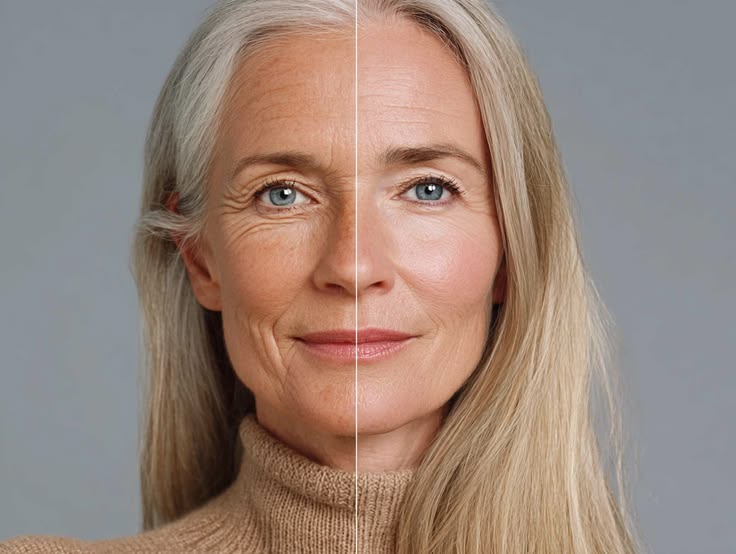
Skin changes naturally as we grow older. Over time, the skin may become thinner, drier, less elastic, and more prone to fine lines, wrinkles, pigmentation, and changes in texture. These changes are part of the natural aging process and are influenced by genetics, hormones, sun exposure, lifestyle, and everyday environmental factors. Understanding age-related changes in skin can help support healthier skin and encourage consistent care at every stage of life.
Natural Changes in Skin With Age
As the skin ages, its structure and function gradually change. Collagen and elastin, two proteins responsible for firmness and elasticity, are produced more slowly. This can make the skin less resilient and contribute to the development of fine lines and wrinkles.
Cell turnover also becomes slower with age. Younger skin generally replaces old cells more efficiently, while mature skin may take longer to renew itself. This can result in a duller appearance and uneven texture.
The skin may also produce less natural oil. Reduced oil production can contribute to dryness, tightness, flaking, and increased sensitivity, particularly on the face, hands, and other exposed areas.
Collagen and Elastin Loss
Collagen provides structure and strength, while elastin helps the skin stretch and return to its original shape. With age, both production and quality can decline.
Reduced collagen may lead to thinner-looking skin and the gradual formation of lines and wrinkles. Lower elastin levels can make the skin appear less firm. These changes may become more noticeable around areas that experience frequent facial movement, such as the forehead, eyes, and mouth.
Protecting the skin from excessive ultraviolet exposure and maintaining a healthy lifestyle can help support its natural structure.
Development of Fine Lines and Wrinkles
Fine lines are among the most visible age-related changes in skin. They can initially appear as subtle lines that become more noticeable over time.
Repeated facial movements, reduced collagen and elastin, dehydration, and long-term sun exposure can all contribute to wrinkle formation. Areas around the eyes and mouth are often particularly affected because the skin in these areas is delicate and frequently moves.
A consistent skincare routine can help maintain hydration and improve the overall appearance of mature skin.
Changes in Skin Hydration
Older skin often becomes drier because oil production decreases with age. The skin barrier may also become less effective at retaining moisture.
When the skin lacks hydration, fine lines may appear more prominent, and the skin can feel rough or tight. Using gentle cleansers, moisturizers, and appropriate hydrating ingredients can help support the skin barrier.
Drinking enough water and avoiding excessive exposure to very hot water can also support overall skin comfort.
Uneven Pigmentation and Age Spots
Pigmentation changes can become more noticeable as the skin ages. Years of sun exposure may contribute to areas of darker pigmentation, commonly called age spots or sun spots.
Hormonal changes and previous inflammation can also influence skin pigmentation. Daily sun protection is one of the most important ways to reduce additional UV-related damage and help maintain a more even-looking complexion.
Changes in Skin Firmness and Facial Volume
Age-related changes are not limited to the surface of the skin. The tissues underneath the skin can also change over time.
Loss or redistribution of facial fat may affect the appearance of the cheeks, temples, under-eye area, and jawline. Changes in bone structure can also influence facial proportions. Together, these factors may contribute to reduced facial definition or changes in the contours of the face.
Environmental Factors and Skin Aging
Environmental exposure can influence how quickly visible signs of aging develop. Ultraviolet radiation is one of the most important external factors associated with premature skin aging.
Pollution, smoke, temperature changes, and other environmental stressors may also affect the skin barrier and contribute to oxidative stress. Protecting the skin with sunscreen, gentle skincare, and appropriate cleansing can help reduce exposure-related stress.
Lifestyle Factors That Affect Aging Skin
Daily habits can influence the appearance and condition of aging skin. Smoking, poor sleep, excessive alcohol consumption, prolonged sun exposure, and an unbalanced diet may negatively affect skin health.
A nutrient-rich diet containing fruits, vegetables, healthy fats, proteins, and adequate fluids can support normal skin function. Regular physical activity and sufficient sleep can also contribute to overall wellbeing and healthy-looking skin.
Skincare for Mature Skin
Skincare needs can change as the skin ages. A simple routine focused on cleansing, hydration, and sun protection can provide a strong foundation.
Gentle cleansing helps remove dirt, oil, makeup, and environmental residue without unnecessarily disrupting the skin barrier. Moisturizers help reduce dryness and support comfortable, hydrated skin. Broad-spectrum sunscreen is important because cumulative UV exposure can accelerate visible skin aging.
Depending on individual needs, skincare professionals may also recommend ingredients designed to address concerns such as fine lines, uneven pigmentation, dryness, or texture.
Professional Options for Age-Related Skin Concerns
Professional aesthetic and dermatological treatments may be considered when skincare alone does not provide the desired improvement. Depending on the skin condition and individual goals, options may include chemical peels, microneedling, laser-based procedures, skin boosters, or other treatments.
The most appropriate approach depends on factors such as skin type, age, pigmentation, sensitivity, existing skin concerns, and overall goals. Professional assessment can help determine which options are appropriate and how they should be incorporated into a skincare plan.
Supporting Healthy Skin Through Every Stage of Life
Age-related changes in skin are natural, but healthy habits can help maintain its appearance and function. Protecting the skin from excessive sun exposure, keeping it moisturized, following a balanced diet, getting adequate sleep, and maintaining a consistent skincare routine are important steps.
Rather than trying to stop the natural aging process, the focus should be on maintaining healthy skin and addressing individual concerns appropriately. With consistent care and professional guidance when needed, skin can remain healthy, comfortable, and well cared for throughout different stages of life.
Dr. Ahmad Houmsie is a highly skilled plastic and aesthetic surgeon in Dubai, with extensive clinical training and international credentials. He offers advanced cosmetic procedures for the face and body — including rhinoplasty, liposuction, breast surgery, tummy tuck, facelifts, and more — using state‑of‑the‑art techniques tailored to each patient. For anyone seeking expert guidance and transformative results, booking a consultation directly with Dr. Ahmad Houmsie ensures personalized care and professional excellence.