
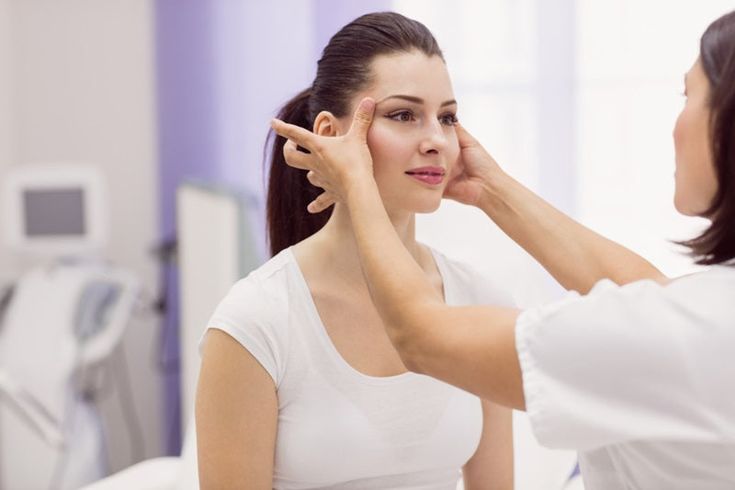
Facial aging is a natural process influenced by genetics, lifestyle, environmental exposure, and changes that occur within the skin and underlying tissues over time. As we age, the face gradually changes in structure, volume, texture, and elasticity. Understanding the aging process of the face can help people make informed decisions about skincare and maintain healthy-looking skin at every stage of life.
Changes in Collagen and Elastin
Collagen and elastin are important proteins that help provide the skin with structure, firmness, and elasticity. As the body ages, collagen production gradually decreases, while the skin’s ability to maintain elasticity can also decline.
As a result, the skin may become thinner, less firm, and more prone to fine lines and wrinkles. Consistent sun protection and a suitable skincare routine can help support the skin as these natural changes occur.
Loss of Facial Volume
Facial aging involves more than changes on the surface of the skin. Fat compartments beneath the skin can gradually decrease or shift with age. These changes may affect the appearance of the cheeks, temples, under-eye area, and other parts of the face.
Reduced facial volume can contribute to a less youthful facial contour and may make certain lines or folds appear more noticeable. The pattern and extent of volume changes vary considerably between individuals.
Changes in Bone Structure
The underlying facial skeleton also changes gradually with age. Subtle changes in bone structure can influence the support provided to the soft tissues of the face.
Together with changes in skin elasticity and facial volume, these structural changes can affect facial contours and proportions over time. This is one reason facial aging is considered a three-dimensional process rather than simply the development of wrinkles.
Formation of Fine Lines and Wrinkles
Fine lines and wrinkles are among the most recognizable signs of facial aging. They can develop due to natural reductions in collagen and elastin as well as repeated facial movements.
Expressions such as smiling, frowning, and squinting involve repeated muscle activity. Over many years, these movements can contribute to the appearance of dynamic lines, which may eventually become more noticeable even when the face is relaxed.
Sun exposure can also accelerate visible skin aging by contributing to collagen breakdown and changes in skin texture.
Sun Exposure and Premature Aging
Ultraviolet radiation is an important environmental factor in visible skin aging. Repeated sun exposure can contribute to uneven pigmentation, rough texture, fine lines, and loss of skin firmness.
This type of environmental aging is often referred to as photoaging. Using broad-spectrum sunscreen regularly, seeking shade, and wearing protective clothing can help reduce unnecessary UV exposure.
Sun protection remains important throughout life, even when visible signs of aging have not yet appeared.
Changes in Skin Texture and Hydration
Aging skin may gradually become drier because of changes in the skin barrier and natural oil production. Reduced moisture can make the skin feel rough, tight, or less supple.
A gentle cleanser and appropriate moisturizer can help support the skin barrier. Hydrating products should be selected according to individual skin type and concerns rather than simply choosing the richest available formula.
Lifestyle Factors and Facial Aging
Lifestyle can influence how the skin looks and responds to the aging process. Smoking, excessive sun exposure, poor nutrition, inadequate sleep, and chronic stress may contribute to an unhealthy appearance over time.
A balanced diet, regular physical activity, adequate sleep, hydration, sun protection, and avoidance of smoking can support healthier skin as part of an overall wellness routine.
The Role of Skincare
A consistent skincare routine can help maintain the appearance and comfort of aging skin. Daily sunscreen is particularly important, while gentle cleansing and regular moisturizing can support the skin barrier.
Depending on individual needs, skincare products containing ingredients such as retinoids, antioxidants, or other evidence-supported ingredients may be considered. Professional guidance can be useful when introducing active ingredients, particularly for sensitive or easily irritated skin.
Facial Aging Differs From Person to Person
There is no single pattern of facial aging. Genetics, skin type, facial structure, lifestyle, environmental exposure, and personal habits all contribute to how someone ages.
Some people may notice pigmentation earlier, while others may be more concerned about volume loss, fine lines, or changes in skin firmness. Understanding these individual differences is important when developing a skincare or aesthetic treatment plan.
Professional Approaches to Facial Aging
For people who want to address visible signs of aging, a qualified skincare or aesthetic professional can assess the skin and facial structure and discuss appropriate options. Treatments may focus on skin texture, pigmentation, wrinkles, volume, or overall facial appearance depending on individual concerns.
A personalized approach is generally more appropriate than choosing a treatment simply because it is popular. Professional assessment can help determine which options are suitable and establish realistic expectations.
Supporting Healthy Aging Skin
Understanding the aging process of the face can make it easier to approach skin changes with realistic expectations. Aging is natural, and healthy-looking skin does not require eliminating every line or change.
Protecting the skin from excessive sun exposure, maintaining a consistent skincare routine, following healthy lifestyle habits, and seeking professional advice when needed can help support skin health over time.
Facial aging reflects changes in the skin, soft tissues, muscles, and underlying structures. By understanding these changes and caring for the skin consistently, individuals can support a healthy, natural, and well-maintained appearance at every stage of life.
Dr. Ahmad Houmsie is a highly skilled plastic and aesthetic surgeon in Dubai, with extensive clinical training and international credentials. He offers advanced cosmetic procedures for the face and body — including rhinoplasty, liposuction, breast surgery, tummy tuck, facelifts, and more — using state‑of‑the‑art techniques tailored to each patient. For anyone seeking expert guidance and transformative results, booking a consultation directly with Dr. Ahmad Houmsie ensures personalized care and professional excellence.