
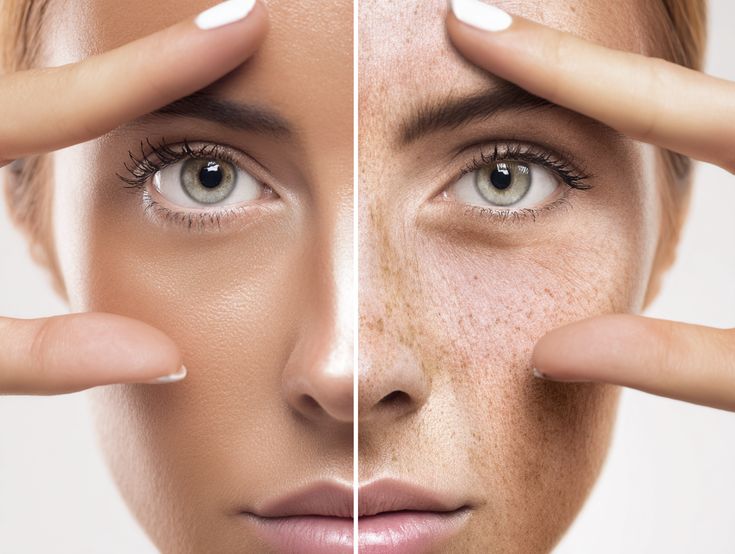
How Age and Lifestyle Affect Skin Quality is an important topic for anyone interested in maintaining healthy and youthful-looking skin. Skin naturally changes throughout life, and factors such as age, sun exposure, nutrition, sleep, stress, physical activity, and daily skincare habits can influence its appearance and condition.
Although aging is a natural process that cannot be stopped, understanding the factors that affect skin quality can help people make informed choices. A consistent skincare routine and healthy lifestyle can support the skin’s natural protective functions and help reduce avoidable damage.
How Aging Changes the Skin
As people age, the skin gradually undergoes structural and functional changes. The production of collagen and elastin decreases over time, which can contribute to reduced firmness and elasticity.
The skin may also become thinner and drier, while natural oil production can decrease. These changes can make fine lines, wrinkles, uneven texture, and other signs of aging more noticeable.
Changes in facial fat distribution and underlying tissues can also affect facial contours. These processes are normal and vary considerably from person to person.
The Impact of Sun Exposure
Sun exposure is one of the most important environmental factors affecting long-term skin quality. Ultraviolet radiation can contribute to premature skin aging, uneven pigmentation, rough texture, and loss of elasticity.
Repeated exposure to ultraviolet radiation can accumulate over many years. This is why protecting the skin from excessive sun exposure is important at every age.
Using broad-spectrum sunscreen, seeking shade, and wearing protective clothing can help reduce exposure. Consistent sun protection can be particularly important for people who spend significant time outdoors.
Nutrition and Skin Health
Nutrition provides the body with essential nutrients needed for normal tissue maintenance and repair. A balanced diet containing vegetables, fruits, whole grains, protein sources, and healthy fats can support overall health and skin function.
Adequate protein provides amino acids that the body uses to maintain tissues. Vitamins and minerals obtained through a varied diet also contribute to normal physiological processes.
Extremely restrictive diets may make it more difficult to obtain adequate nutrients. People with specific nutritional concerns should consider discussing their diet with an appropriate healthcare professional.
Hydration and Skin Appearance
Adequate hydration supports overall health and can contribute to comfortable, healthy-looking skin. Dehydration may make the skin appear temporarily dull or dry.
Topical moisturizers also have an important role because they can help reduce water loss from the skin’s surface. Ingredients such as glycerin, hyaluronic acid, and ceramides may be included in moisturizers designed to support skin hydration and the skin barrier.
Hydration alone cannot prevent natural aging, but it can be an important part of a balanced skincare routine.
Smoking and Skin Quality
Smoking can negatively affect circulation and may contribute to changes in skin appearance. Tobacco exposure can also affect collagen and elastin, which are important structural components of the skin.
Over time, smoking may contribute to a dull appearance, reduced elasticity, and more noticeable lines.
Avoiding tobacco products is beneficial for overall health and can also support healthier skin.
Alcohol and Lifestyle Habits
Excessive alcohol consumption can affect overall health and may contribute to dehydration and poor lifestyle patterns. Alcohol can also add calories to the diet, potentially contributing to changes in body composition.
Moderating alcohol consumption and maintaining balanced daily habits can support general well-being. However, skin quality depends on many factors, and no single lifestyle change can completely prevent age-related changes.
The Importance of Sleep
Sleep plays an important role in overall recovery and well-being. During sleep, the body carries out various processes that support normal tissue maintenance.
Consistently inadequate sleep can contribute to a tired appearance, including temporary changes around the eyes and reduced skin freshness.
Maintaining a regular sleep schedule and allowing sufficient time for rest can support both general health and healthy lifestyle routines.
Stress and Its Effects on Skin
Stress can influence skin indirectly through changes in sleep, diet, exercise, and daily habits. Some people may also notice changes in their skin during periods of prolonged stress.
Stress management strategies such as physical activity, relaxation techniques, adequate sleep, and time for enjoyable activities may support overall wellness.
People experiencing persistent or significant skin problems should not assume that stress is the only cause. Professional evaluation may be appropriate when symptoms continue.
Exercise and Circulation
Regular physical activity supports cardiovascular health and overall fitness. Exercise can also contribute to healthy lifestyle habits that benefit the skin indirectly.
Physical activity should be balanced with proper hydration and appropriate hygiene, particularly when sweating heavily. Cleansing the skin after exercise can help remove sweat, dirt, and other accumulated substances.
Exercise does not stop aging, but it can support overall health and contribute to a healthier lifestyle.
The Role of Skincare
A consistent skincare routine can help protect the skin and maintain its barrier. Basic skincare may include gentle cleansing, moisturizing, and daily sun protection.
Additional products can be selected based on individual concerns. Ingredients such as retinoids, antioxidants, exfoliating acids, and other active ingredients may be used for specific skincare goals, but they should be introduced appropriately.
Using too many active products or exfoliating too frequently can irritate the skin. A simple routine that suits an individual’s skin type is often easier to maintain consistently.
Environmental Exposure
Pollution, dust, wind, dry air, and extreme temperatures can influence skin comfort and appearance. People living in urban environments or spending considerable time outdoors may experience increased exposure to environmental stressors.
Gentle cleansing can help remove surface pollutants and impurities. Moisturizing can also help support the skin barrier.
Environmental protection works best when combined with sun protection and other healthy skincare habits.
Hormonal and Biological Changes
Hormonal changes throughout life can influence oil production, hydration, pigmentation, and other aspects of skin behavior.
For example, hormonal fluctuations may contribute to changes in acne, dryness, or pigmentation at different stages of life.
Because hormonal factors can be complex, persistent or sudden skin changes may require professional assessment to determine the underlying cause.
Genetics and Individual Differences
Genetics also play a major role in determining how skin ages. People can have different skin types, pigmentation patterns, collagen characteristics, and tendencies toward certain concerns.
Lifestyle habits cannot completely override genetic factors. However, healthy habits can help reduce avoidable environmental damage and support overall skin health.
Comparing your skin directly with another person’s may therefore create unrealistic expectations.
Supporting Skin Quality Over Time
How Age and Lifestyle Affect Skin Quality becomes clearer when both natural aging and daily habits are considered together. Aging naturally changes collagen, elasticity, hydration, and facial structure, while lifestyle choices can either support or negatively affect the skin.
Protecting the skin from excessive sunlight, eating a balanced diet, staying adequately hydrated, avoiding smoking, getting sufficient sleep, managing stress, and maintaining an appropriate skincare routine can all contribute to healthier-looking skin.
When Professional Skin Advice May Help
Some skin concerns may benefit from professional evaluation, particularly when they are persistent, worsening, painful, or associated with unusual changes.
A qualified dermatologist or healthcare professional can assess individual skin concerns and recommend suitable skincare, medical treatments, or cosmetic options when appropriate.
Professional advice can also help individuals avoid unnecessary or unsuitable treatments.
Maintaining Healthy Skin as You Age
Aging is a natural part of life, and changes in skin quality are expected over time. However, daily habits can influence how the skin looks and feels throughout different stages of life.
A long-term approach that combines sun protection, balanced nutrition, adequate sleep, regular physical activity, appropriate skincare, and healthy lifestyle choices can support skin health.
Understanding the relationship between age and lifestyle allows individuals to make practical decisions that protect their skin while maintaining realistic expectations about natural aging.
Dr. Ahmad Houmsie is a highly skilled plastic and aesthetic surgeon in Dubai, with extensive clinical training and international credentials. He offers advanced cosmetic procedures for the face and body — including rhinoplasty, liposuction, breast surgery, tummy tuck, facelifts, and more — using state‑of‑the‑art techniques tailored to each patient. For anyone seeking expert guidance and transformative results, booking a consultation directly with Dr. Ahmad Houmsie ensures personalized care and professional excellence.