
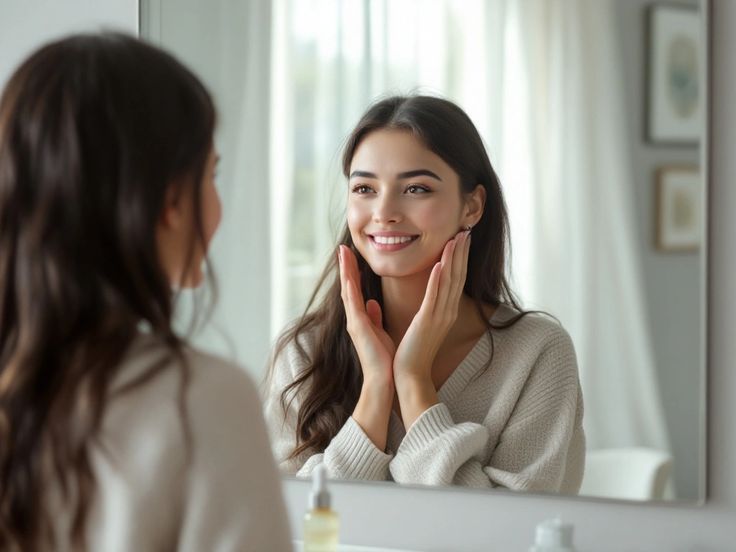
The Role of Protection in Maintaining Healthy Skin is an important part of a consistent skincare routine. Healthy-looking skin depends on more than cleansing and moisturizing. Daily exposure to sunlight, environmental pollutants, harsh weather, and other external factors can gradually affect the skin’s appearance and condition.
Protecting the skin can help maintain its natural barrier, reduce premature signs of aging, and support a healthier appearance over time. Simple habits such as using sunscreen, choosing suitable skincare products, staying hydrated, and avoiding excessive sun exposure can make a meaningful difference.
Understanding the Skin Barrier
The skin barrier is the outermost layer of the skin and helps protect the body from environmental factors. It also helps prevent excessive water loss and supports the skin’s ability to remain hydrated.
When the skin barrier becomes compromised, the skin may feel dry, rough, tight, or irritated. Overuse of harsh products, excessive exfoliation, extreme weather conditions, and inadequate skincare can contribute to barrier disruption.
A gentle skincare routine can help support the skin barrier. Mild cleansing, regular moisturizing, and avoiding unnecessary irritation are useful steps for maintaining skin comfort and resilience.
The Importance of Sun Protection
Sun exposure is one of the most significant environmental factors affecting skin health. Ultraviolet radiation can contribute to sunburn, uneven pigmentation, premature skin aging, and long-term skin damage.
Using a broad-spectrum sunscreen can help protect the skin from UVA and UVB radiation. Sunscreen should generally be applied to exposed areas and reapplied as directed, particularly when spending extended periods outdoors, sweating, or swimming.
Sun protection should not be limited to sunny days. Ultraviolet exposure can occur even when the sky is cloudy, making daily protection an important habit.
Choosing the Right Sunscreen
Different sunscreens are available in various formulations, including creams, lotions, gels, and sprays. The best choice depends on individual skin type, lifestyle, climate, and personal preference.
A broad-spectrum sunscreen with an appropriate sun protection factor can provide protection against ultraviolet radiation. People with sensitive or acne-prone skin may prefer formulations specifically designed for their skin type.
Applying enough sunscreen is also important. Using too little can significantly reduce the level of protection indicated on the product.
Protective Clothing and Accessories
Sunscreen is only one part of a comprehensive sun-protection strategy. Protective clothing can provide an additional physical barrier against ultraviolet exposure.
Wide-brimmed hats, sunglasses, long sleeves, and tightly woven clothing can help reduce direct sun exposure. Seeking shade during periods of strong sunlight can also be beneficial.
Combining sunscreen with protective clothing and shade provides a more comprehensive approach to protecting exposed skin.
Protection From Environmental Factors
The skin is continuously exposed to environmental conditions. Air pollution, dust, wind, dry air, and temperature changes can affect the skin’s appearance and comfort.
A well-maintained skin barrier can provide some protection from these external factors. Gentle cleansing can help remove accumulated dirt and pollutants without excessively stripping the skin.
Moisturizers can also help support the barrier by reducing water loss and improving skin hydration.
Hydration and Skin Protection
Hydration plays an important role in maintaining healthy-looking skin. Drinking adequate fluids supports overall health, while topical moisturizers help reduce water loss from the skin’s surface.
Moisturizers containing ingredients such as ceramides, glycerin, or hyaluronic acid may help support hydration depending on individual skin needs.
However, hydration alone cannot prevent all forms of skin damage. It works best as part of a broader skincare and protection routine.
Avoiding Over-Exfoliation
Exfoliation can help remove dead skin cells, but excessive exfoliation may irritate the skin and weaken its protective barrier.
Using strong exfoliating products too frequently can lead to dryness, redness, sensitivity, or discomfort. The appropriate frequency depends on skin type and the specific product being used.
A balanced approach is generally preferable to aggressive exfoliation. People experiencing persistent irritation should consider stopping irritating products and seeking professional guidance if symptoms continue.
Skincare Ingredients and Sensitivity
Not every skincare ingredient is suitable for every person. Products containing active ingredients can provide specific benefits but may also cause irritation if used incorrectly.
Introducing new products gradually can make it easier to identify potential reactions. Patch testing may also be recommended for certain products.
Individuals with sensitive or reactive skin should consider choosing gentle formulations and discussing persistent skin concerns with a qualified dermatologist.
Protecting Skin During Different Seasons
Skin needs can change throughout the year. Hot weather can increase sweating and oil production, while cold or dry conditions may contribute to dryness and irritation.
During warmer months, sun protection and lightweight hydration may become particularly important. In colder conditions, richer moisturizers may help support the skin barrier.
Adapting skincare habits to environmental conditions can help maintain skin comfort throughout the year.
Healthy Lifestyle Habits
Skin protection is closely connected with overall health. A balanced diet, adequate sleep, regular physical activity, and avoidance of smoking can support general wellness and healthy-looking skin.
Nutrition provides essential nutrients that the body uses for normal tissue maintenance. Adequate rest and stress management can also support healthy daily routines.
These habits cannot completely prevent natural aging, but they can contribute to overall skin health.
Protecting Skin After Cosmetic Treatments
Skin may require additional protection following certain cosmetic treatments. Procedures such as chemical peels, laser treatments, microneedling, and other aesthetic procedures can temporarily increase skin sensitivity.
After treatment, patients should follow the specific aftercare instructions provided by their healthcare professional. This may include avoiding direct sunlight, using recommended skincare products, and temporarily avoiding certain active ingredients.
Following professional aftercare recommendations can help support the healing process and reduce the risk of unwanted pigmentation or irritation.
Recognizing Changes That Need Attention
Protection is important, but it is equally important to monitor changes in the skin. A new or changing mole, persistent sore, unusual growth, unexplained bleeding, or significant change in pigmentation should be evaluated by a qualified healthcare professional.
Early assessment of unusual skin changes can help identify potential problems and determine whether further evaluation is needed.
Creating a Consistent Protection Routine
A practical skincare protection routine does not have to be complicated. A basic routine may include gentle cleansing, moisturizing, and daily broad-spectrum sunscreen.
Additional products can be selected based on individual concerns and professional recommendations. Consistency is often more useful than using a large number of products without a clear purpose.
People should also remember that skincare needs can change with age, environment, medications, and other factors.
Long-Term Benefits of Skin Protection
The Role of Protection in Maintaining Healthy Skin becomes increasingly important when viewed as a long-term habit rather than a short-term solution. Consistent sun protection, barrier care, gentle skincare, and healthy lifestyle choices can help maintain skin quality over time.
Although protection cannot stop natural aging, it can help reduce avoidable environmental damage and support the skin’s natural functions.
Maintaining Healthy Skin Through Protection
Protecting the skin involves more than applying sunscreen occasionally. It includes maintaining the skin barrier, limiting excessive sun exposure, using appropriate skincare products, wearing protective clothing, staying hydrated, and practicing healthy lifestyle habits.
A simple and consistent approach can support healthier-looking skin throughout different stages of life. When persistent irritation, unusual changes, or other concerns develop, professional evaluation can provide appropriate guidance.
By making protection a regular part of daily skincare, individuals can better support their skin’s health, resilience, and appearance over the long term.
Dr. Ahmad Houmsie is a highly skilled plastic and aesthetic surgeon in Dubai, with extensive clinical training and international credentials. He offers advanced cosmetic procedures for the face and body — including rhinoplasty, liposuction, breast surgery, tummy tuck, facelifts, and more — using state‑of‑the‑art techniques tailored to each patient. For anyone seeking expert guidance and transformative results, booking a consultation directly with Dr. Ahmad Houmsie ensures personalized care and professional excellence.