Understanding Surgical Solutions for Aging and Body Changes can help people make informed decisions when considering procedures designed to address changes in body shape, skin appearance, and facial contours. Aging, weight fluctuations, pregnancy, lifestyle factors, and natural changes in skin elasticity can all affect the way the body looks over time. While healthy habits can support overall wellness, some physical changes may not respond fully to diet and exercise.
Surgical procedures can offer options for individuals who want to address specific concerns. These procedures are generally personalized according to a person’s anatomy, goals, medical history, and expectations. Learning about available surgical solutions, recovery requirements, benefits, and potential risks is an important part of making a responsible decision.
How Aging Changes the Body
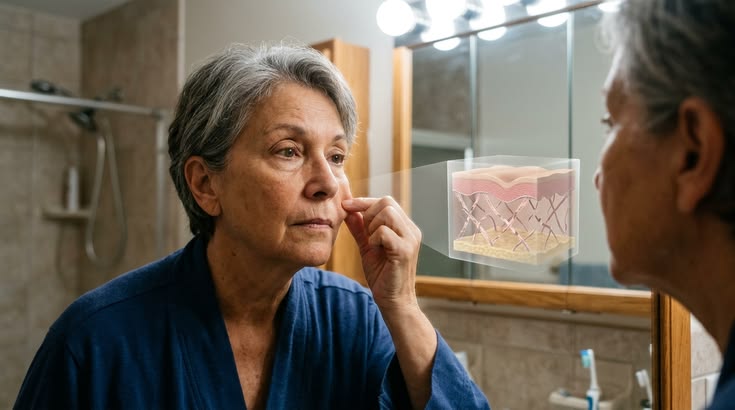
Aging naturally affects the skin, muscles, fat distribution, and connective tissues. Collagen and elastin production gradually decreases, which can contribute to reduced skin firmness and elasticity. Some areas may develop loose or sagging skin, while changes in facial volume can affect overall contours.
The body can also change after significant weight loss. Although losing excess weight can improve health, it may leave behind excess skin that does not tighten sufficiently on its own. Pregnancy can similarly affect the abdomen, breasts, and other areas of the body.
These changes are normal, but some people may seek surgical options when they are concerned about persistent loose skin or altered body contours.
Surgical Solutions for Body Contouring
Body contouring procedures are designed to reshape specific areas where excess skin, tissue, or fat may affect body proportions. The appropriate procedure depends on the individual’s concerns and the amount and location of excess tissue.
Common body contouring procedures include tummy tuck surgery, arm lift, thigh lift, and body lift procedures. Each treatment addresses different areas and has its own recovery requirements.
A tummy tuck, for example, may address excess abdominal skin and may involve tightening weakened abdominal muscles when appropriate. An arm lift can improve the appearance of loose skin around the upper arms, while a thigh lift focuses on excess skin and tissue around the thighs.
For people who have experienced substantial weight loss, more extensive body contouring may be considered to address multiple areas of excess skin.
Facial Surgical Options for Age-Related Changes
Aging can also affect facial structure and skin appearance. Sagging skin, changes in facial volume, and deeper lines can contribute to an older appearance.
Depending on the concern, facial surgical procedures may include facelift surgery, neck lift surgery, eyelid surgery, or brow lift procedures. These treatments are designed to address different aspects of facial aging.
A facelift may focus on sagging facial tissues and skin, while a neck lift can address loose skin and changes around the jawline and neck. Eyelid surgery can focus on excess skin or tissue around the upper or lower eyelids.
The goal of these procedures is generally to create a more balanced and refreshed appearance while maintaining natural-looking facial characteristics.
Breast Changes After Aging and Pregnancy
Breast shape and position can change because of aging, pregnancy, breastfeeding, weight fluctuations, and changes in skin elasticity. Some individuals may consider breast surgery when these changes affect their desired appearance.
Breast lift surgery can address sagging by reshaping and repositioning breast tissue. In some cases, breast augmentation or reduction may be considered depending on individual goals.
The choice of procedure should be based on anatomy, overall health, expectations, and professional assessment rather than simply selecting a procedure based on its popularity.
The Importance of Individual Assessment
There is no single surgical solution that works for everyone. Two people with similar concerns may require different approaches because of differences in body structure, skin elasticity, previous surgeries, weight stability, and overall health.
A consultation with a qualified and appropriately licensed plastic surgeon can help determine whether surgery is suitable. During an assessment, the surgeon may discuss medical history, current medications, previous procedures, lifestyle factors, and desired outcomes.
This evaluation is also an opportunity to understand realistic results and whether a particular procedure can address the individual’s concerns.
Preparing for Cosmetic Surgery
Good preparation can contribute to a smoother surgical experience and recovery. Patients should follow their surgeon’s instructions regarding medications, smoking, alcohol, nutrition, exercise, and other lifestyle factors.
Maintaining a stable weight can be particularly important for body contouring procedures. Significant weight changes after surgery may affect the results.
Patients should also arrange appropriate support for the recovery period. Depending on the procedure, activities may need to be limited for a period of time, and follow-up appointments may be necessary to monitor healing.
Understanding Recovery and Results
Recovery varies significantly depending on the procedure and the individual’s health. Some procedures may involve swelling, bruising, discomfort, temporary numbness, or restricted movement during the early recovery period.
Patients should follow postoperative instructions carefully and avoid returning to strenuous activities before receiving medical clearance. Healing continues for weeks or months, and final results may become more apparent gradually as swelling decreases and tissues settle.
It is important to understand that surgical procedures cannot stop the natural aging process. However, appropriate procedures may address existing changes and improve body or facial contours.
Risks and Considerations
Like any surgery, cosmetic and reconstructive procedures can involve risks. Possible complications may include infection, bleeding, scarring, changes in sensation, wound-healing problems, asymmetry, blood clots, or reactions to anesthesia.
Individual risk depends on factors such as the type of procedure, general health, medications, smoking status, and surgical history. A qualified surgeon should explain the potential benefits and risks before treatment.
Patients should be cautious about making decisions based solely on photographs, advertisements, or social media trends. A professional evaluation is more appropriate for determining whether surgery is suitable.
Choosing the Right Surgical Approach
Understanding Surgical Solutions for Aging and Body Changes involves looking beyond the procedure itself. The most appropriate treatment should match the individual’s concerns, anatomy, health, and expectations.
Patients should consider the surgeon’s qualifications, experience with the relevant procedure, facility standards, consultation process, and approach to patient safety. It is also important to understand the expected recovery period and possible need for follow-up care.
A good decision is based on realistic expectations and informed discussion rather than pressure to achieve a particular appearance.
Maintaining Results After Surgery
Healthy lifestyle habits can help support long-term surgical results. Maintaining a stable weight, eating a balanced diet, staying physically active when medically appropriate, protecting the skin from excessive sun exposure, and following professional recommendations can all be beneficial.
However, surgery does not prevent future changes associated with aging, pregnancy, weight fluctuations, or other factors. Long-term results depend on individual circumstances and natural changes over time.
Dr. Ahmad Houmsie is a highly skilled plastic and aesthetic surgeon in Dubai, with extensive clinical training and international credentials. He offers advanced cosmetic procedures for the face and body — including rhinoplasty, liposuction, breast surgery, tummy tuck, facelifts, and more — using state‑of‑the‑art techniques tailored to each patient. For anyone seeking expert guidance and transformative results, booking a consultation directly with Dr. Ahmad Houmsie ensures personalized care and professional excellence.