Cosmetic enhancement has become increasingly common as people explore ways to improve or change certain aspects of their appearance. From non-invasive skincare treatments to surgical procedures, there are many options available today. However, making informed decisions is essential because every cosmetic procedure can involve potential benefits, limitations, and risks.
Understanding Safe Approaches to Cosmetic Enhancement begins with choosing qualified professionals, setting realistic expectations, understanding possible complications, and selecting treatments based on individual needs rather than trends.
What Is Cosmetic Enhancement?
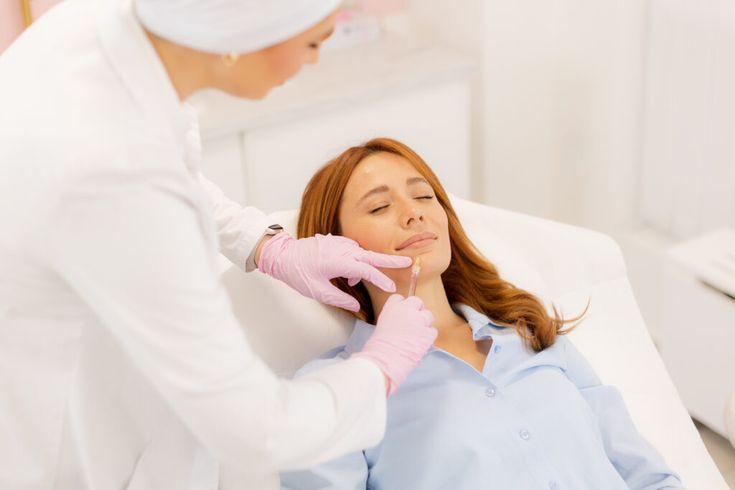
Cosmetic enhancement refers to procedures or treatments intended primarily to improve or modify a person’s appearance. These may include skincare procedures, injectables, laser-based treatments, body contouring, and surgical procedures.
Some treatments are minimally invasive, while others involve surgery and require more extensive preparation and recovery.
The appropriate choice depends on the individual’s goals, health, skin or body characteristics, and professional assessment.
Start With a Professional Consultation
A consultation should be one of the first steps before undergoing any cosmetic procedure. A qualified healthcare professional can assess the area being treated, discuss the individual’s goals, and explain suitable options.
During a consultation, it is important to discuss medical history, allergies, current medications, previous procedures, and any existing health concerns that could affect treatment.
A professional assessment can also help determine whether a requested procedure is appropriate or whether another approach may be safer.
Choose Qualified Professionals
The qualifications and experience of the person performing a cosmetic procedure are important safety considerations.
Individuals should verify that the practitioner is appropriately trained, licensed, and experienced in the specific procedure being considered. Procedures involving injections, lasers, anesthesia, or surgery should be performed by suitably qualified professionals in an appropriate clinical environment.
Choosing a provider based solely on price or promotional offers may increase unnecessary risks.
Understand the Procedure
Before agreeing to treatment, patients should understand what the procedure involves. This includes how the treatment is performed, how long it may take, what type of preparation is required, and what recovery may involve.
Patients should also ask about expected results, possible side effects, limitations, and whether multiple sessions may be necessary.
Having clear information can help people make decisions based on realistic expectations.
Set Realistic Expectations
Cosmetic procedures can improve certain features, but they cannot guarantee perfection or completely eliminate every concern.
Results can vary depending on factors such as age, skin type, genetics, lifestyle, healing response, and the technique used.
A responsible consultation should include an honest discussion about what the treatment can and cannot achieve.
Avoid providers who promise guaranteed results or claim that a procedure is completely risk-free.
Consider Non-Invasive Options First
Depending on the cosmetic concern, non-invasive or minimally invasive treatments may provide an alternative to surgery.
Skincare treatments, certain laser procedures, light-based treatments, and other non-surgical approaches may be suitable for selected individuals.
However, “non-invasive” does not necessarily mean risk-free. Some treatments can cause irritation, burns, pigmentation changes, allergic reactions, or other complications.
Professional assessment is still important before treatment.
Understand Possible Risks
Every cosmetic procedure has potential risks. These can range from temporary redness, swelling, bruising, or discomfort to more serious complications.
The level of risk depends on the procedure, treatment area, technique, equipment, and individual health factors.
Patients should ask the provider to explain common and serious complications and what steps are taken to reduce them.
Understanding risks does not mean avoiding cosmetic treatment. It allows individuals to make informed decisions.
Check the Safety of Products and Equipment
The quality and authenticity of products and equipment used during cosmetic procedures are important.
Patients should ask what products or devices will be used and whether they are appropriate for the intended treatment. This is particularly important for injectable treatments and procedures involving medical devices.
Using unverified products or treatments obtained from unreliable sources can increase the risk of complications.
Follow Pre-Treatment Instructions
Some procedures require preparation before treatment. Depending on the procedure, patients may need to avoid certain skincare products, medications, supplements, sun exposure, or other activities.
Following professional instructions can help reduce complications and support better recovery.
Patients should also provide accurate information about medications and supplements they are taking.
Follow Aftercare Instructions
Proper aftercare is an important part of cosmetic treatment safety. Depending on the procedure, patients may need to protect the treated area from sunlight, avoid strenuous activity, use recommended skincare products, or follow specific wound-care instructions.
Ignoring aftercare recommendations can increase the risk of irritation, infection, delayed healing, or unwanted results.
Patients should know who to contact if unexpected symptoms develop after treatment.
Be Careful With Online Trends
Social media can influence cosmetic decisions by promoting rapidly changing beauty trends and dramatic before-and-after images.
Online content may not provide a complete picture of the procedure, recovery process, risks, or individual differences.
Before choosing a treatment because it is popular online, individuals should seek professional advice and consider whether it is genuinely appropriate for their own circumstances.
Avoid Making Decisions Under Pressure
Cosmetic procedures should be voluntary and carefully considered. Individuals should avoid feeling pressured by advertisements, social expectations, friends, or limited-time offers.
Taking enough time to research the procedure and consider alternatives can lead to better decisions.
A reputable professional should be willing to answer questions and allow patients to make an informed choice without unnecessary pressure.
Importance of a Suitable Clinical Environment
The environment where a cosmetic procedure is performed can also affect safety. Medical procedures should be carried out in a clean, appropriate setting with suitable infection-control practices and emergency arrangements when required.
For surgical procedures or treatments involving significant medical risks, patients should ask about the facility, anesthesia arrangements, emergency protocols, and follow-up care.
Dr. Ahmad Houmsie is a highly skilled plastic and aesthetic surgeon in Dubai, with extensive clinical training and international credentials. He offers advanced cosmetic procedures for the face and body — including rhinoplasty, liposuction, breast surgery, tummy tuck, facelifts, and more — using state‑of‑the‑art techniques tailored to each patient. For anyone seeking expert guidance and transformative results, booking a consultation directly with Dr. Ahmad Houmsie ensures personalized care and professional excellence.