
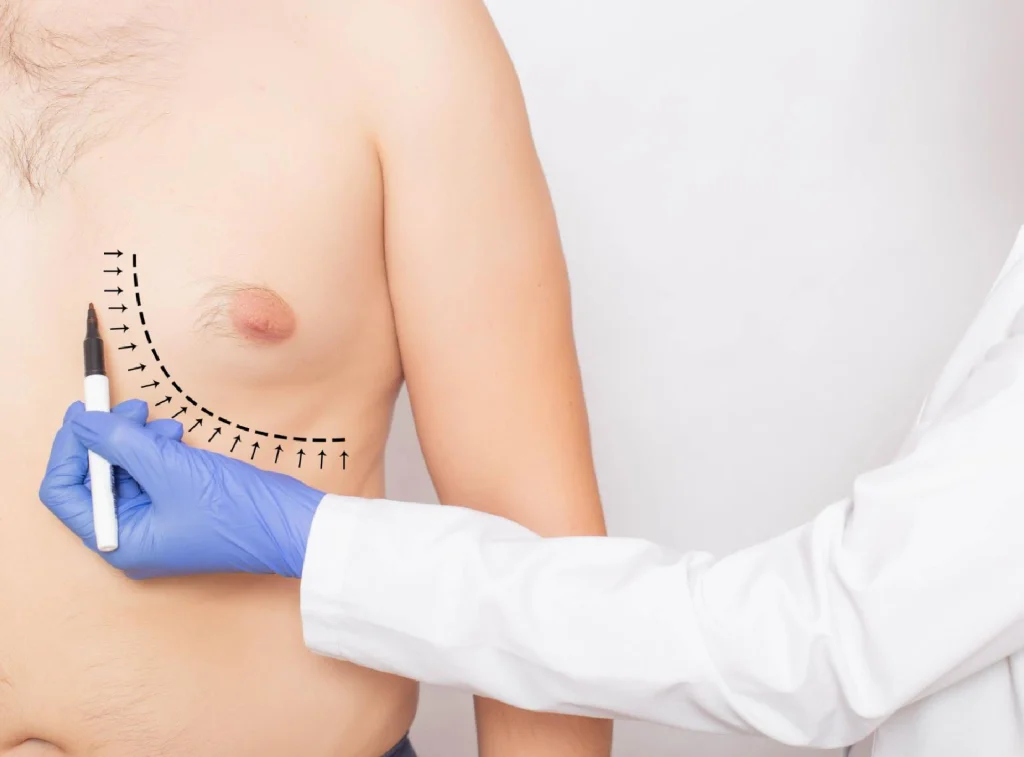
Changes in the male chest area can occur due to different factors, including hormonal changes, genetics, weight fluctuations, or natural body development. For some men, excess tissue or an uneven chest appearance may affect confidence and body image. Male chest correction procedures are designed to address these concerns and create a more balanced chest contour.
Understanding Surgical Options for Male Chest Correction helps individuals learn about available approaches, the factors considered during treatment planning, and what to expect throughout the process. A personalized approach is essential because every individual’s body structure and goals are different.
What Is Male Chest Correction?
Male chest correction refers to procedures designed to improve the appearance of the chest by reducing excess tissue, reshaping contours, or restoring a more proportionate appearance.
The procedure may address concerns such as:
- Excess glandular tissue
- Fat accumulation in the chest area
- Uneven chest contours
- Changes caused by weight fluctuations
- Concerns related to body proportion
The goal is typically to create a flatter, firmer, and more balanced chest appearance.
Understanding the Causes of Male Chest Changes
Before considering surgical correction, it is important to understand why changes in the chest area occur. Several factors may contribute to increased chest tissue or an altered contour.
Common factors include:
- Hormonal changes
- Genetics
- Weight gain or loss
- Certain medications
- Aging-related changes
- Lifestyle factors
Identifying the underlying cause helps determine the most appropriate treatment approach.
Types of Surgical Options for Male Chest Correction
Different surgical techniques may be considered depending on the amount and type of tissue present. The most suitable approach depends on individual anatomy, goals, and overall health.
Liposuction-Based Chest Contouring
Liposuction may be used when excess fat is the primary concern. This technique involves removing unwanted fat deposits to improve chest shape and definition.
It may help with:
- Reducing localized fat
- Improving chest contour
- Creating a smoother appearance
- Enhancing body proportions
Liposuction is generally more suitable when the skin has good elasticity and excess glandular tissue is limited.
Glandular Tissue Removal
In some cases, excess glandular tissue contributes significantly to chest fullness. Surgical removal of this tissue may be considered to create a flatter chest appearance.
This approach focuses on:
- Removing firm tissue beneath the nipple area
- Improving chest shape
- Addressing tissue that does not respond to weight loss
The technique selected depends on the individual’s specific condition.
Combination Approaches
Some individuals may have both excess fat and glandular tissue. In these situations, a combination approach may be used.
Combining techniques can help:
- Address multiple causes
- Improve overall contour
- Create more balanced results
A customized treatment plan ensures that different concerns are addressed appropriately.
Factors Considered During Treatment Planning
Successful male chest correction requires careful evaluation and planning. Several factors influence the recommended approach.
Important considerations include:
- Amount of excess tissue
- Skin elasticity
- Body shape
- Overall health
- Personal goals
- Expected outcomes
A detailed assessment helps determine the most suitable option.
Benefits of Male Chest Correction Surgery
Many individuals consider chest correction procedures because they want to improve comfort and confidence.
Potential benefits may include:
- Improved chest contour
- Better body proportions
- Increased confidence
- Greater comfort wearing certain clothing
- Enhanced satisfaction with appearance
The outcome depends on individual healing and following recommended care instructions.
Preparing for Male Chest Correction
Proper preparation can support a smoother surgical experience and recovery process.
Preparation may include:
- Discussing medical history
- Following pre-procedure instructions
- Maintaining healthy habits
- Understanding recovery expectations
- Planning time for healing
Good preparation helps individuals feel more informed and comfortable.
Recovery After Chest Correction Surgery
Recovery varies depending on the technique used and individual healing factors. Following post-procedure guidance is important for supporting proper recovery.
During recovery, individuals may need to:
- Avoid strenuous activities temporarily
- Follow care instructions
- Attend follow-up appointments
- Allow time for swelling to reduce
Final results may become more noticeable as the body continues to heal.
Maintaining Results After Surgery
Long-term results are supported by maintaining healthy lifestyle habits. While surgery can improve chest contour, significant weight changes may affect appearance over time.
Helpful habits include:
- Maintaining a stable weight
- Exercising regularly
- Eating a balanced diet
- Following healthy routines
A healthy lifestyle supports overall body appearance.
The Importance of Realistic Expectations
Understanding what surgery can and cannot achieve is essential. Male chest correction can improve specific concerns, but individual results vary.
Realistic expectations involve:
- Understanding the procedure
- Discussing desired outcomes
- Considering natural body structure
- Recognizing recovery requirements
Clear communication helps create a more satisfying experience.
Surgical Safety Considerations
Like any surgical procedure, male chest correction involves important considerations. Proper evaluation and following professional guidance are essential for supporting safety.
Important factors include:
- Choosing appropriate treatment options
- Understanding possible risks
- Following recovery instructions
- Maintaining communication during healing
A careful approach helps support better outcomes.
Non-Surgical Factors That Support Chest Appearance
Although surgery may be appropriate for some concerns, lifestyle habits also influence body appearance.
Helpful practices include:
- Regular strength training
- Balanced nutrition
- Healthy weight management
- Consistent physical activity
These habits support overall fitness and body confidence.
Choosing the Right Approach
Every individual has unique goals and physical characteristics. The most effective chest correction approach depends on personal needs rather than a one-size-fits-all solution.
A suitable plan considers:
- The cause of chest changes
- Desired improvements
- Body structure
- Health factors
- Long-term expectations
Personalized planning is essential for achieving balanced results.
Dr. Ahmad Houmsie is a highly skilled plastic and aesthetic surgeon in Dubai, with extensive clinical training and international credentials. He offers advanced cosmetic procedures for the face and body — including rhinoplasty, liposuction, breast surgery, tummy tuck, facelifts, and more — using state‑of‑the‑art techniques tailored to each patient. For anyone seeking expert guidance and transformative results, booking a consultation directly with Dr. Ahmad Houmsie ensures personalized care and professional excellence.