
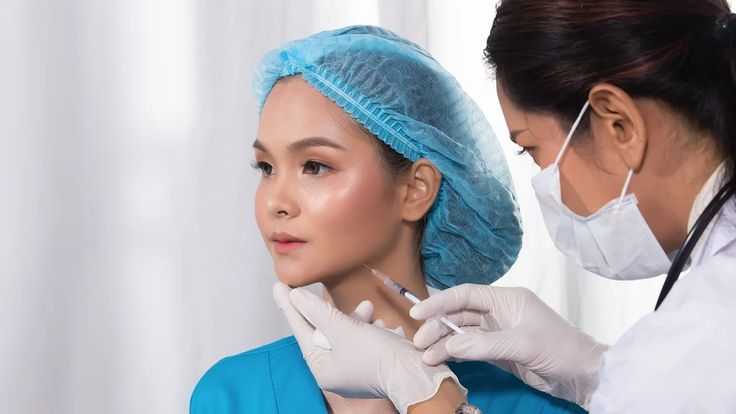
Skin is the body’s largest organ and plays a significant role in both appearance and healing. Whether someone is considering facial rejuvenation, body contouring, or reconstructive procedures, skin quality has a direct impact on surgical planning, recovery, and long-term results. Healthy, elastic skin often responds better to cosmetic procedures, while damaged or aging skin may require different surgical techniques to achieve the desired outcome.
Understanding the connection between skin quality and surgery changes helps patients appreciate why surgeons carefully evaluate the condition of the skin before recommending any cosmetic procedure. Factors such as age, genetics, lifestyle, sun exposure, and overall health all contribute to skin quality and ultimately influence surgical success.
Why Skin Quality Matters Before Surgery
Skin serves as the outer layer that covers and supports the tissues underneath. During cosmetic surgery, surgeons work with the skin to reshape, tighten, or reposition underlying structures. The ability of the skin to stretch, contract, and heal significantly affects the final appearance.
Good skin quality generally includes:
- Healthy elasticity
- Even skin texture
- Adequate collagen production
- Proper hydration
- Minimal sun damage
- Good circulation
When these characteristics are present, the skin often adapts more effectively after surgery and supports smoother, more natural-looking results.
The Role of Collagen and Elastin
Collagen and elastin are two essential proteins responsible for maintaining skin strength and flexibility.
Collagen provides structure and firmness, while elastin allows the skin to stretch and return to its original shape. As people age, the production of both proteins gradually decreases, leading to common signs of aging such as wrinkles, sagging skin, and reduced firmness.
This natural decline can influence surgical outcomes because skin with reduced elasticity may not tighten as effectively after fat removal or tissue repositioning. Surgeons take these changes into consideration when planning procedures to ensure balanced and realistic results.
How Aging Affects Skin and Surgical Results
Aging causes gradual changes that affect both the appearance and function of the skin. These changes include:
- Loss of collagen
- Reduced elastin fibers
- Thinner skin
- Decreased moisture retention
- Slower cell regeneration
- Increased skin laxity
These factors may require more comprehensive surgical techniques than would be necessary for younger individuals with firmer skin. Procedures such as facelifts, neck lifts, tummy tucks, and arm lifts are often designed to address both excess skin and weakened underlying tissues.
Skin Elasticity and Body Contouring Procedures
Body contouring surgeries depend heavily on skin elasticity. After removing excess fat or tightening muscles, the skin must adapt to the body’s new shape.
Patients with healthy skin elasticity often experience smoother contours because the skin contracts more effectively. Conversely, individuals with loose or stretched skin from aging, pregnancy, or significant weight loss may require procedures that remove excess skin to achieve the desired outcome.
This is why skin quality is one of the most important factors during consultation for body contouring procedures.
Facial Rejuvenation and Skin Condition
Facial cosmetic procedures are carefully planned according to the condition of the patient’s skin. While surgery can reposition tissues and remove excess skin, it cannot completely change the skin’s texture or eliminate all signs of aging.
Factors such as:
- Fine lines
- Sun damage
- Pigmentation
- Skin thickness
- Elasticity
are evaluated before determining the most suitable surgical approach.
Maintaining healthy skin before surgery contributes to more refined and natural facial rejuvenation results.
Lifestyle Factors That Influence Skin Quality
Several daily habits directly affect skin health and surgical recovery.
Nutrition
A balanced diet rich in vitamins, minerals, lean protein, and healthy fats supports collagen production and tissue repair.
Hydration
Proper hydration helps maintain skin elasticity and supports healthy circulation during healing.
Sun Protection
Excessive ultraviolet exposure accelerates collagen breakdown and contributes to premature skin aging. Daily sun protection helps preserve skin quality before and after surgery.
Smoking
Smoking reduces blood flow, delays healing, and increases the risk of surgical complications. Patients are often advised to stop smoking well before surgery to promote better recovery.
Sleep
Quality sleep allows the body to repair tissues, produce collagen, and maintain healthy skin function.
Skin Healing After Surgery
Skin quality also affects the recovery process following cosmetic surgery.
Healthy skin typically experiences:
- Better wound healing
- Reduced risk of complications
- Improved scar maturation
- More predictable recovery
- Enhanced long-term appearance
Healing varies from person to person, but following postoperative instructions carefully can help support optimal recovery regardless of skin type.
Maintaining Healthy Skin Before and After Surgery
Preparing the skin before surgery can contribute to better healing and improved results. While individual recommendations vary, many patients benefit from adopting healthy skincare and lifestyle habits.
These may include:
- Following a consistent skincare routine
- Using sunscreen every day
- Staying well hydrated
- Eating nutrient-rich foods
- Avoiding tobacco products
- Managing chronic medical conditions
- Following all preoperative and postoperative instructions
These habits not only support healing but also help maintain surgical results over time.
Realistic Expectations and Individual Differences
Every person’s skin is unique. Genetics, age, medical history, environmental exposure, and lifestyle all influence how the skin responds to surgery. Because of these differences, no two patients will experience identical outcomes.
A comprehensive consultation allows the surgeon to assess skin quality, discuss treatment options, explain expected results, and recommend procedures that align with the patient’s goals while preserving a natural appearance.
Understanding these individual differences helps patients develop realistic expectations and make informed decisions regarding cosmetic surgery.
Dr. Ahmad Houmsie is a highly skilled plastic and aesthetic surgeon in Dubai, with extensive clinical training and international credentials. He offers advanced cosmetic procedures for the face and body — including rhinoplasty, liposuction, breast surgery, tummy tuck, facelifts, and more — using state‑of‑the‑art techniques tailored to each patient. For anyone seeking expert guidance and transformative results, booking a consultation directly with Dr. Ahmad Houmsie ensures personalized care and professional excellence.