
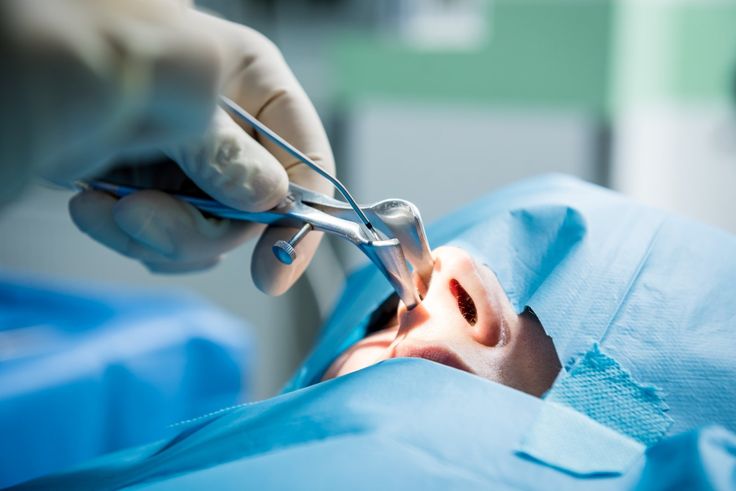
Plastic surgery has undergone remarkable transformation over the past century. What began as a specialty focused primarily on reconstructive procedures has evolved into a sophisticated field that combines medical science, advanced technology, and artistic precision. Today, plastic surgery offers a wide range of cosmetic and reconstructive treatments designed to improve appearance, restore function, and enhance quality of life.
Understanding how plastic surgery has evolved over the years provides valuable insight into the innovations that have improved patient safety, surgical outcomes, and overall treatment experiences.
The Early Beginnings of Plastic Surgery
The origins of plastic surgery date back thousands of years. Historical records show that early reconstructive procedures were performed in ancient civilizations to repair facial injuries and physical deformities.
Ancient surgeons developed techniques to reconstruct damaged noses, ears, and other facial structures. Although these procedures were basic compared to modern standards, they laid the foundation for the future development of plastic surgery.
The Growth of Reconstructive Surgery
Plastic surgery experienced significant advancement during the 19th and early 20th centuries. The specialty became increasingly important for treating injuries caused by accidents, burns, and military conflicts.
Reconstructive surgery focused on:
- Repairing facial injuries
- Treating burn victims
- Restoring physical function
- Correcting congenital abnormalities
These developments helped establish plastic surgery as a recognized medical specialty.
Advances During Wartime
Major conflicts, particularly during the World Wars, accelerated the development of reconstructive techniques.
Surgeons faced the challenge of treating severe facial and body injuries, leading to innovations in:
- Skin grafting
- Tissue reconstruction
- Facial reconstruction
- Wound management
Many techniques developed during this period continue to influence modern plastic surgery practices.
The Rise of Cosmetic Surgery
As surgical techniques improved, plastic surgery gradually expanded beyond reconstruction to include aesthetic enhancement.
During the latter half of the 20th century, cosmetic procedures became increasingly popular for individuals seeking to improve their appearance.
Common procedures included:
- Rhinoplasty
- Facelift surgery
- Eyelid surgery
- Breast enhancement procedures
- Liposuction
Growing public awareness contributed to the widespread acceptance of cosmetic surgery.
Improved Surgical Techniques
One of the most significant developments in plastic surgery has been the refinement of surgical methods.
Modern techniques focus on:
- Greater precision
- Smaller incisions
- Reduced scarring
- Faster recovery
- Natural-looking results
These improvements have enhanced both safety and patient satisfaction.
Advances in Anesthesia and Patient Safety
Improvements in anesthesia have played a major role in the evolution of plastic surgery.
Modern anesthesia techniques provide:
- Better patient comfort
- Improved safety monitoring
- Reduced surgical risks
- More predictable outcomes
Combined with advanced medical protocols, these developments have significantly improved patient safety.
The Introduction of Liposuction
Liposuction revolutionized body contouring by providing a method to remove localized fat deposits and reshape body contours.
Over time, liposuction techniques have become more refined, offering:
- Improved precision
- Reduced recovery times
- Enhanced body sculpting capabilities
It remains one of the most commonly performed cosmetic procedures worldwide.
Technological Innovations in Plastic Surgery
Technology has transformed nearly every aspect of plastic surgery.
Important innovations include:
3D Imaging
3D imaging allows surgeons and patients to visualize potential outcomes before surgery.
Benefits include:
- Improved treatment planning
- Enhanced communication
- Better expectation management
Digital Surgical Planning
Advanced software helps surgeons develop personalized treatment strategies based on individual anatomy.
Laser Technology
Lasers have introduced less invasive options for:
- Skin resurfacing
- Scar treatment
- Pigmentation correction
- Skin tightening
These technologies have expanded the range of available cosmetic treatments.
The Rise of Minimally Invasive Procedures
In recent years, there has been growing demand for treatments that require less downtime and recovery.
Minimally invasive options may include:
- Injectable treatments
- Laser procedures
- Skin rejuvenation therapies
- Non-surgical facial enhancements
These treatments offer patients additional options for addressing cosmetic concerns without major surgery.
Personalized Treatment Approaches
Modern plastic surgery emphasizes individualized care.
Today’s treatment plans are tailored based on:
- Facial and body anatomy
- Patient goals
- Lifestyle considerations
- Medical history
This personalized approach helps achieve more natural and satisfying results.
Better Recovery and Post-Operative Care
Recovery protocols have improved significantly over the years.
Advancements include:
- Enhanced pain management
- Improved wound care techniques
- Faster healing strategies
- Better patient education
These improvements contribute to a smoother and more comfortable recovery experience.
The Role of Artificial Intelligence
Artificial intelligence (AI) is beginning to influence the future of plastic surgery.
Potential applications include:
- Facial analysis
- Treatment planning
- Outcome prediction
- Patient assessment
While AI cannot replace surgical expertise, it may enhance precision and decision-making.
Changing Perceptions of Plastic Surgery
Public attitudes toward plastic surgery have evolved considerably.
Today, many people view cosmetic and reconstructive procedures as personal healthcare choices that can improve:
- Confidence
- Quality of life
- Physical function
- Emotional well-being
Greater awareness and education have reduced stigma and encouraged more open discussions about treatment options.
The Future of Plastic Surgery
The future of plastic surgery is expected to include continued innovation in:
- Regenerative medicine
- Tissue engineering
- Robotic-assisted surgery
- Artificial intelligence
- Advanced imaging technologies
These developments may further improve safety, precision, and patient outcomes.
Dr. Ahmad Houmsie is a highly skilled plastic and aesthetic surgeon in Dubai, with extensive clinical training and international credentials. He offers advanced cosmetic procedures for the face and body — including rhinoplasty, liposuction, breast surgery, tummy tuck, facelifts, and more — using state‑of‑the‑art techniques tailored to each patient. For anyone seeking expert guidance and transformative results, booking a consultation directly with Dr. Ahmad Houmsie ensures personalized care and professional excellence.