
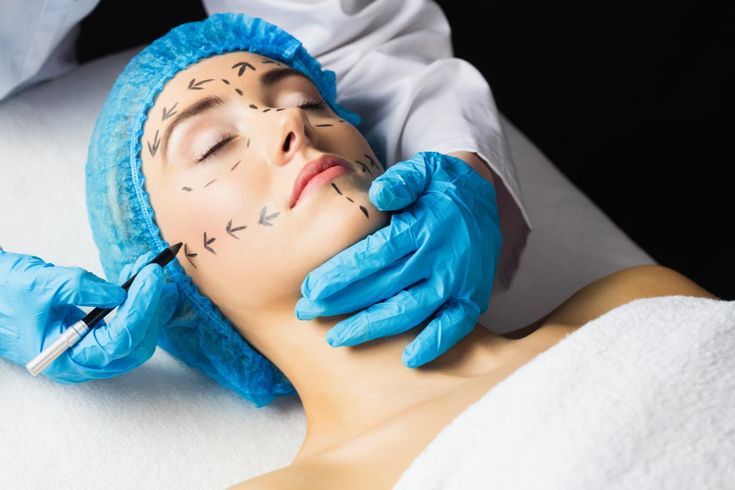
Patient education plays a vital role in achieving safe, satisfying, and successful outcomes in plastic surgery. While modern surgical techniques have become highly advanced and precise, the final results still depend heavily on how well-informed the patient is before, during, and after the procedure. Understanding expectations, risks, recovery, and long-term care helps patients make confident decisions and actively participate in their own treatment journey.
In plastic surgery, education is not just about sharing information—it is about building trust, setting realistic expectations, and ensuring that patients fully understand the process they are choosing. When patients are well-informed, they are more likely to experience better satisfaction and smoother recovery.
Why Patient Education Matters in Plastic Surgery
Patient education is essential because plastic surgery involves both medical and aesthetic decisions. Every procedure, whether it is facial surgery, body contouring, or reconstructive treatment, requires careful planning and understanding.
When patients are properly educated, they:
- Make informed decisions based on realistic expectations
- Understand the benefits and limitations of surgery
- Feel more confident and less anxious before procedures
- Follow instructions more accurately before and after surgery
- Experience fewer complications and better recovery outcomes
A well-informed patient is an active participant in the treatment process, not just a receiver of care.
Setting Realistic Expectations
One of the most important aspects of patient education is helping individuals understand what plastic surgery can and cannot achieve. Many patients come with expectations shaped by social media or unrealistic images, which may not always match real surgical outcomes.
A qualified plastic surgeon helps patients:
- Understand achievable results based on their anatomy
- Recognize that results vary from person to person
- Accept that perfection is not always possible
- Understand that healing takes time and gradual improvement
When expectations are realistic, patients are more satisfied with their results and less likely to feel disappointed.
Understanding the Procedure
Before undergoing any plastic surgery, patients must clearly understand the procedure itself. This includes how the surgery is performed, what techniques are used, and what to expect during each stage.
Proper education includes explaining:
- Type of anesthesia used
- Surgical steps involved
- Duration of the procedure
- Possible risks and complications
- Expected recovery timeline
This knowledge reduces fear and helps patients feel more prepared and confident.
Importance of Pre-Surgery Preparation
Patient education also focuses on preparation before surgery. Proper preparation can significantly improve surgical outcomes and reduce risks.
Common pre-surgery instructions include:
- Avoiding smoking and alcohol before surgery
- Stopping certain medications if advised by the doctor
- Following fasting guidelines if required
- Maintaining good nutrition and hydration
- Completing required medical tests
When patients follow these guidelines correctly, their body is better prepared for surgery and healing.
Post-Surgery Care and Recovery
After surgery, patient education becomes even more important. Recovery is a critical phase where proper care directly influences final results.
Patients are usually advised to:
- Take prescribed medications on time
- Keep surgical areas clean and protected
- Avoid strenuous physical activity for a period
- Attend follow-up appointments regularly
- Watch for any unusual symptoms
Clear post-operative instructions help reduce complications and ensure smooth healing.
Reducing Anxiety Through Knowledge
Many patients feel anxious before undergoing plastic surgery. Fear of pain, complications, or unnatural results is common. Patient education helps reduce this anxiety by providing clear and honest information.
When patients understand:
- How the surgery is performed
- What sensations they may experience
- How recovery will progress
They feel more relaxed and mentally prepared. This emotional comfort also contributes to better healing outcomes.
Building Trust Between Surgeon and Patient
Effective patient education strengthens the relationship between surgeon and patient. Trust is a key factor in successful plastic surgery outcomes.
A well-informed patient:
- Communicates more openly with the surgeon
- Asks relevant questions
- Follows instructions more carefully
- Feels confident in the surgeon’s expertise
This strong relationship leads to better collaboration and improved results.
Role of Digital Education in Modern Plastic Surgery
Today, patient education is not limited to clinic visits. Digital platforms play a major role in helping patients understand procedures.
Educational tools include:
- Clinic websites and blogs
- Before-and-after galleries
- Video explanations of procedures
- Virtual consultations
- Social media awareness content
These resources help patients gather knowledge before even meeting the surgeon, making consultations more effective.
Preventing Complications Through Awareness
Many surgical complications can be avoided when patients are well-informed. Lack of knowledge often leads to improper care, missed instructions, or unrealistic expectations.
Educated patients are more likely to:
- Follow safety guidelines properly
- Recognize early warning signs
- Seek timely medical advice when needed
- Avoid harmful habits during recovery
This significantly reduces risks and improves safety.
Long-Term Importance of Patient Education
Patient education does not end after surgery. Long-term care and maintenance are equally important for preserving results.
Patients are encouraged to:
- Maintain a healthy lifestyle
- Follow skincare or body care routines
- Attend follow-up visits
- Understand that aging continues naturally
Long-term awareness helps patients maintain results and overall satisfaction for years.
Dr. Ahmad Houmsie is a highly skilled plastic and aesthetic surgeon in Dubai, with extensive clinical training and international credentials. He offers advanced cosmetic procedures for the face and body — including rhinoplasty, liposuction, breast surgery, tummy tuck, facelifts, and more — using state‑of‑the‑art techniques tailored to each patient. For anyone seeking expert guidance and transformative results, booking a consultation directly with Dr. Ahmad Houmsie ensures personalized care and professional excellence.