
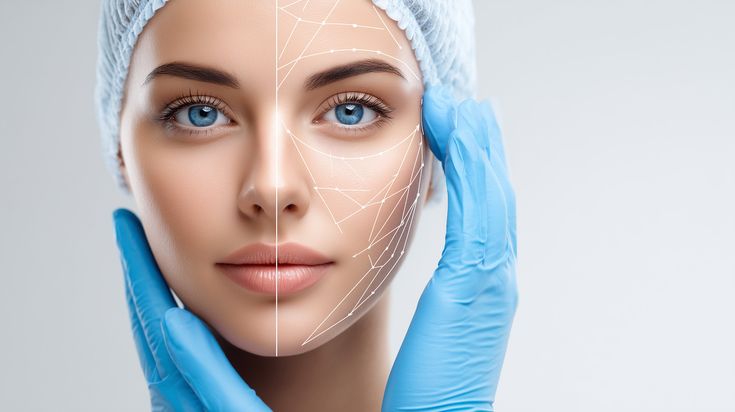
Facial aesthetics is not only about enhancing individual features but also about achieving balance among all facial elements. The concept of facial harmony and proportion plays a central role in determining how attractive, natural, and aesthetically pleasing a face appears. When facial features are well-balanced and proportionate, the overall appearance becomes more cohesive and visually appealing.
Modern aesthetic medicine places strong emphasis on facial harmony because it ensures that enhancements look natural rather than exaggerated. Understanding the importance of proportion helps both practitioners and individuals appreciate how subtle adjustments can significantly influence overall facial beauty.
Understanding Facial Harmony and Proportion
Facial harmony refers to the balanced relationship between different facial features such as the eyes, nose, lips, cheeks, jawline, and forehead. Proportion, on the other hand, relates to the relative size and positioning of these features in relation to each other.
A harmonious face does not require perfect symmetry, but rather a balanced arrangement where no single feature overwhelms the others.
Key elements of facial proportion include:
- Vertical facial thirds (forehead, mid-face, lower face)
- Horizontal facial symmetry
- Eye-to-nose alignment
- Lip-to-chin balance
- Jawline definition relative to cheeks
These proportions help create a sense of visual equilibrium and natural beauty.
The Role of Balance in Aesthetic Appeal
Balance is one of the most important factors in facial attractiveness. When facial features are proportionate, the brain perceives the face as more aesthetically pleasing and harmonious.
Balanced facial features can contribute to:
- A more youthful appearance
- Improved facial symmetry
- Enhanced natural beauty
- Greater visual attractiveness
- Softer and more refined facial expressions
Even small adjustments in facial structure or volume can significantly impact overall balance.
Symmetry and Natural Variation
While symmetry is often associated with beauty, perfect facial symmetry is rare in nature. In fact, slight asymmetry is considered normal and can add character to a face.
Facial aesthetics focuses on:
- Enhancing symmetry where needed
- Preserving natural individuality
- Avoiding overly artificial results
- Maintaining expressive facial movement
The goal is not perfection but harmony that respects natural variation.
How Proportion Influences Perception
Facial proportions strongly influence how a person is perceived by others. Studies in aesthetics suggest that balanced facial ratios are often associated with attractiveness, youthfulness, and health.
Proportion affects perception in areas such as:
- First impressions
- Emotional expression recognition
- Perceived age
- Overall facial attractiveness
Well-balanced proportions help create a more positive and confident visual impression.
Key Areas of Facial Proportion in Aesthetics
1. Forehead and Upper Face Balance
The forehead sets the foundation for overall facial structure. Its proportion relative to the mid and lower face affects overall symmetry and balance.
2. Mid-Facial Harmony
The mid-face includes the nose and cheeks, which play a central role in defining facial structure. Proper alignment and volume distribution in this area contribute significantly to harmony.
3. Lower Face and Jawline Definition
The lower face, including the jawline and chin, provides structure and definition. Balanced proportions in this area help create a strong yet natural facial contour.
4. Lip Proportion and Shape
Lips contribute to facial expression and aesthetic appeal. Their size and positioning should align naturally with surrounding features for a balanced appearance.
The Role of Aesthetic Treatments in Achieving Balance
Modern facial aesthetic treatments aim to enhance harmony without altering natural identity. These treatments often focus on subtle improvements that refine rather than dramatically change appearance.
Common approaches include:
- Volume restoration procedures
- Facial contouring techniques
- Skin rejuvenation treatments
- Non-surgical enhancement methods
- Structural balancing procedures
Each treatment is tailored to maintain proportional balance across the face.
The Importance of Personalized Assessment
Every face is unique, which is why personalized evaluation is essential in facial aesthetics. Professionals assess individual facial structure before recommending any enhancement approach.
Personalized assessment may include:
- Facial ratio analysis
- Symmetry evaluation
- Skin quality assessment
- Bone structure review
- Feature balance mapping
This ensures that any aesthetic improvements align with natural facial characteristics.
Aging and Changes in Facial Proportion
As the face ages, natural volume loss, skin laxity, and bone resorption can alter facial proportions. These changes may affect harmony and overall balance.
Common age-related changes include:
- Loss of cheek volume
- Sagging skin in the lower face
- Reduced jawline definition
- Changes in lip fullness
- Shifts in facial symmetry
Aesthetic treatments often aim to restore lost volume and re-establish balance rather than change facial identity.
Technology and Facial Analysis
Advancements in medical imaging and digital analysis have improved the ability to assess facial proportions accurately. These tools allow for more precise treatment planning and better outcomes.
Technological tools may include:
- 3D facial scanning
- Digital symmetry mapping
- Proportion analysis software
- Predictive aesthetic modeling
These innovations support more consistent and customized aesthetic planning.
Psychological Impact of Facial Harmony
Facial harmony is closely linked to self-confidence and emotional wellbeing. When individuals feel satisfied with their facial appearance, it can positively influence their self-esteem and social interactions.
Psychological benefits may include:
- Improved self-confidence
- Enhanced body image perception
- Reduced appearance-related anxiety
- Greater social comfort
Balanced facial aesthetics can contribute to a more positive self-image.
Cultural Influence on Facial Aesthetics
Beauty standards vary across cultures, but the concept of harmony remains universal. Different regions may emphasize different facial features, but balanced proportions are generally considered attractive worldwide.
Cultural influences may affect:
- Preferred facial shapes
- Ideal jawline structures
- Lip fullness preferences
- Facial contour expectations
Despite variations, harmony remains a consistent aesthetic principle.
The Future of Facial Aesthetics
Facial aesthetics continues to evolve with advancements in regenerative medicine, digital planning, and minimally invasive techniques. Future approaches are expected to offer even more personalized and precise results.
Future trends may include:
- AI-driven facial analysis
- Regenerative skin treatments
- Non-invasive contouring technologies
- Customized aesthetic mapping systems
- Enhanced natural-result procedures
These innovations will continue to refine how facial harmony is achieved.
Dr. Ahmad Houmsie is a highly skilled plastic and aesthetic surgeon in Dubai, with extensive clinical training and international credentials. He offers advanced cosmetic procedures for the face and body — including rhinoplasty, liposuction, breast surgery, tummy tuck, facelifts, and more — using state‑of‑the‑art techniques tailored to each patient. For anyone seeking expert guidance and transformative results, booking a consultation directly with Dr. Ahmad Houmsie ensures personalized care and professional excellence.