
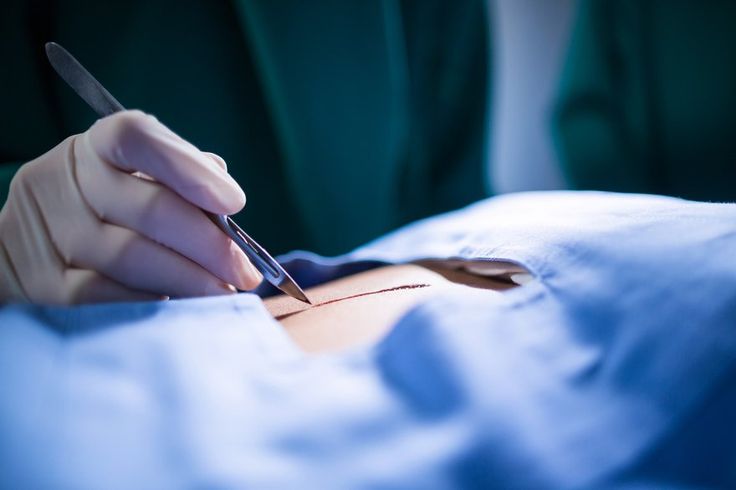
Modern healthcare continues to evolve through advanced technologies, improved medical procedures, and higher standards of patient care. Among the most important aspects of healthcare today is the strong emphasis placed on surgical safety and medical standards. These principles are essential for protecting patient health, improving treatment outcomes, and ensuring that healthcare environments maintain the highest levels of quality and professionalism.
Surgical procedures, whether minor or complex, require careful planning, strict protocols, and highly trained medical teams. As medical science advances, healthcare systems around the world continue to strengthen safety measures designed to reduce complications, improve recovery, and provide patients with confidence throughout their treatment journey.
Understanding surgical safety and medical standards helps patients become more informed about the healthcare process while highlighting the importance of quality-driven medical care.
Understanding Surgical Safety
Surgical safety refers to the systems, procedures, and protocols used to minimize risks before, during, and after surgery. Every stage of the surgical process is carefully managed to protect patient wellbeing and support successful outcomes.
Safety in surgery is not limited to the operating room alone. It includes:
- Patient assessment and preparation
- Sterilization procedures
- Surgical planning
- Anesthesia monitoring
- Infection prevention
- Post-operative care
- Emergency response readiness
Modern healthcare facilities use standardized safety systems to reduce human error and improve communication among medical teams.
Why Medical Standards Matter
Medical standards are established guidelines and practices that help healthcare providers deliver safe, consistent, and effective patient care. These standards are developed using scientific research, clinical evidence, and international healthcare recommendations.
Maintaining high medical standards benefits both patients and healthcare professionals by:
- Improving patient safety
- Supporting accurate diagnosis and treatment
- Reducing medical complications
- Enhancing communication among healthcare teams
- Encouraging continuous professional development
- Ensuring ethical and professional healthcare practices
Healthcare institutions that prioritize quality standards often focus heavily on patient-centered care and long-term safety improvements.
Pre-Surgical Evaluation and Preparation
One of the most critical parts of surgical safety is proper pre-operative assessment. Before surgery, patients typically undergo medical evaluations to identify potential risks and ensure they are physically prepared for the procedure.
This preparation may include:
- Medical history review
- Blood tests and imaging
- Allergy assessments
- Medication evaluation
- Physical examinations
- Anesthesia consultations
Careful preparation allows medical teams to identify possible concerns early and create individualized treatment plans that improve surgical safety.
Infection Control and Sterilization
Infection prevention is a major component of surgical safety and medical standards. Healthcare environments follow strict sterilization and hygiene protocols to reduce the risk of infections during and after surgery.
Important infection control practices include:
- Sterilized surgical instruments
- Use of personal protective equipment
- Hand hygiene protocols
- Controlled operating room environments
- Safe waste disposal procedures
- Post-surgical wound care guidelines
Hospitals and surgical facilities continuously monitor infection control systems to maintain patient safety and improve healthcare outcomes.
The Role of Surgical Teams
Successful surgical care depends heavily on teamwork and communication. A surgical team often includes surgeons, anesthesiologists, nurses, technicians, and support staff working together to ensure patient safety at every stage.
Clear communication among medical professionals helps:
- Confirm patient identity
- Verify surgical procedures
- Reduce preventable errors
- Monitor patient condition during surgery
- Respond quickly to emergencies
Team-based care is now considered one of the most effective ways to improve patient outcomes and maintain high medical standards.
Surgical Technology and Modern Advancements
Medical technology has significantly improved surgical precision and patient safety over the years. Advanced tools and digital systems help healthcare professionals perform procedures more accurately while reducing risks and recovery times.
Modern surgical advancements may include:
- Minimally invasive techniques
- Robotic-assisted surgery
- Digital imaging systems
- Real-time patient monitoring
- Advanced anesthesia equipment
- Electronic medical records
These innovations contribute to safer surgical experiences and support more efficient healthcare delivery.
Anesthesia Safety and Monitoring
Anesthesia plays a crucial role in surgical procedures, making patient monitoring extremely important. Modern anesthesia standards focus on patient comfort, controlled sedation, and continuous monitoring throughout surgery.
Anesthesia safety protocols often include:
- Pre-anesthesia evaluations
- Heart rate monitoring
- Oxygen level tracking
- Blood pressure monitoring
- Emergency preparedness systems
Continuous monitoring allows medical teams to respond quickly if any unexpected changes occur during surgery.
Patient Rights and Informed Consent
Medical standards also emphasize the importance of patient rights and informed decision-making. Before undergoing surgery, patients should receive clear explanations about:
- The planned procedure
- Potential risks and benefits
- Recovery expectations
- Alternative treatment options
Informed consent allows patients to make educated healthcare decisions while promoting transparency and trust between patients and healthcare providers.
Post-Operative Care and Recovery
Surgical safety extends beyond the operating room into the recovery phase. Proper post-operative care is essential for monitoring healing, preventing complications, and supporting patient comfort.
Post-surgical care may involve:
- Pain management
- Wound monitoring
- Infection prevention
- Physical rehabilitation
- Follow-up appointments
- Recovery instructions
Careful recovery planning helps patients heal more effectively while reducing the likelihood of complications.
Continuous Improvement in Healthcare Standards
Healthcare systems continuously evaluate and improve medical standards through training, research, and quality control programs. Medical professionals regularly update their knowledge and skills to align with evolving healthcare practices and patient safety guidelines.
Quality improvement initiatives may include:
- Staff education and training
- Clinical audits
- Patient safety reporting systems
- Performance monitoring
- Accreditation programs
These efforts help healthcare institutions maintain consistent standards while improving patient experiences and outcomes.
The Psychological Importance of Surgical Safety
Patient confidence is an important aspect of healthcare. Knowing that strong safety measures and medical standards are in place can reduce anxiety before surgery and improve the overall treatment experience.
Patients often feel more comfortable when healthcare providers:
- Communicate clearly
- Explain procedures thoroughly
- Maintain clean and organized facilities
- Demonstrate professionalism and compassion
A patient-focused approach contributes to both emotional wellbeing and overall satisfaction with medical care.
The Future of Surgical Safety
As healthcare technology continues to advance, surgical safety and medical standards are expected to become even more sophisticated. Artificial intelligence, digital monitoring systems, and data-driven healthcare solutions may further improve precision, efficiency, and patient protection in the future.
The future of surgical care will likely focus on:
- Personalized treatment planning
- Enhanced robotic technologies
- Faster recovery methods
- Improved infection prevention systems
- Advanced patient monitoring tools
Continuous innovation will remain essential for strengthening healthcare quality and patient safety worldwide.
Dr. Ahmad Houmsie is a highly skilled plastic and aesthetic surgeon in Dubai, with extensive clinical training and international credentials. He offers advanced cosmetic procedures for the face and body — including rhinoplasty, liposuction, breast surgery, tummy tuck, facelifts, and more — using state‑of‑the‑art techniques tailored to each patient. For anyone seeking expert guidance and transformative results, booking a consultation directly with Dr. Ahmad Houmsie ensures personalized care and professional excellence.