
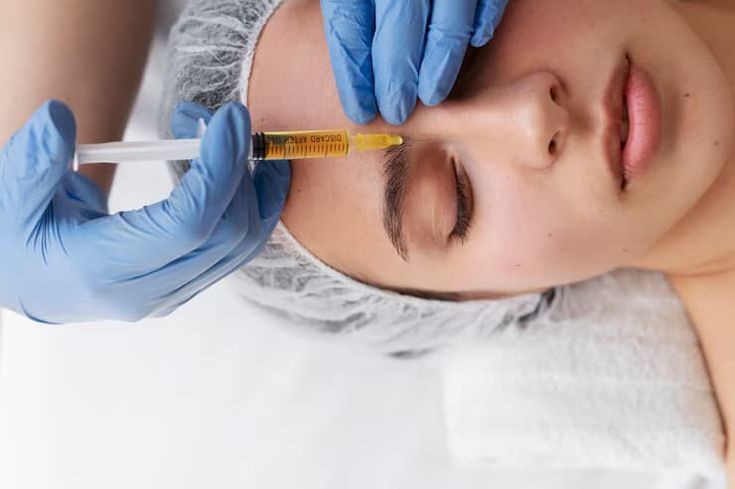
Skin is one of the most important components of facial appearance and overall aesthetics. Healthy skin contributes to a youthful, balanced, and refreshed look, while damaged or unhealthy skin can affect facial harmony, texture, and confidence. Beyond its protective function, the skin plays a major role in how facial features are perceived and how aging develops over time.
Understanding how skin health affects facial aesthetics helps individuals recognize the importance of maintaining proper skincare, hydration, nutrition, and preventive care. Modern aesthetic treatments increasingly focus on improving skin quality because even well-defined facial features may appear less balanced when skin health is compromised.
The Role of Skin in Facial Appearance
The skin is the body’s largest organ and forms the visible outer layer of the face. It acts as a protective barrier while also influencing facial tone, smoothness, elasticity, and overall appearance.
Healthy skin contributes to:
- Even skin tone
- Smooth texture
- Natural facial glow
- Balanced contours
- Youthful appearance
- Improved facial symmetry perception
Because the skin covers every facial structure, its condition significantly affects how facial features are visually defined.
Skin Texture and Facial Aesthetics
Skin texture refers to the smoothness and consistency of the skin surface. Healthy skin texture creates a refined and polished appearance, while rough or uneven texture can affect facial harmony.
Factors that influence texture include:
- Hydration levels
- Collagen production
- Sun exposure
- Acne and scarring
- Environmental damage
- Aging process
Smooth skin reflects light more evenly, which contributes to a brighter and healthier appearance. Uneven texture, enlarged pores, or scarring may create shadows and visual irregularities that affect facial aesthetics.
The Importance of Skin Tone and Clarity
Even skin tone is closely associated with healthy and attractive skin. Discoloration, pigmentation, redness, or dullness can influence how youthful and balanced the face appears.
Common factors affecting skin tone include:
- Sun damage
- Hyperpigmentation
- Inflammation
- Hormonal changes
- Poor circulation
- Lifestyle habits
Maintaining skin clarity and consistent tone enhances the overall balance of facial features and supports a refreshed appearance.
Collagen and Skin Elasticity
Collagen is a structural protein responsible for maintaining skin firmness and elasticity. As collagen production decreases with age, the skin gradually loses support and begins to sag.
Reduced elasticity can lead to:
- Fine lines and wrinkles
- Drooping skin
- Hollow facial appearance
- Loss of jawline definition
- Deep facial folds
Healthy collagen levels help maintain facial structure and support smoother, firmer skin. This is why collagen preservation is a major focus in modern skincare and aesthetic treatments.
Hydration and Facial Freshness
Proper hydration is essential for maintaining healthy skin and attractive facial aesthetics. Hydrated skin appears smoother, plumper, and more radiant.
Dehydrated skin may cause:
- Dull appearance
- Increased fine lines
- Rough texture
- Uneven makeup application
- Reduced elasticity
Drinking adequate water and using appropriate skincare products help support moisture balance and overall skin health.
Skin Health and Facial Aging
Skin health strongly influences how aging appears on the face. Environmental exposure, lifestyle habits, and natural biological changes gradually affect skin quality over time.
Visible signs of aging may include:
- Wrinkles and fine lines
- Loss of skin firmness
- Uneven pigmentation
- Reduced facial volume support
- Increased dryness and thinning
Protecting skin health can help slow these visible changes and maintain facial balance for longer periods.
The Impact of Sun Exposure on Facial Aesthetics
Sun exposure is one of the leading causes of premature skin aging. Ultraviolet (UV) radiation damages collagen, elastin fibers, and skin cells, leading to long-term aesthetic changes.
Excessive sun exposure may contribute to:
- Wrinkles and sagging
- Dark spots and pigmentation
- Rough skin texture
- Loss of elasticity
- Uneven skin tone
Consistent sun protection is one of the most effective ways to preserve skin quality and maintain youthful facial aesthetics.
Lifestyle Habits and Skin Appearance
Daily lifestyle choices significantly influence skin health and facial appearance. Poor habits can accelerate aging and negatively affect skin quality.
Factors that impact skin health include:
- Smoking
- Poor nutrition
- Sleep deprivation
- Stress
- Lack of hydration
- Environmental pollution
Healthy lifestyle habits support better circulation, collagen production, and skin repair, all of which contribute to improved facial aesthetics.
Nutrition and Skin Quality
Nutrition plays a vital role in maintaining healthy skin. Vitamins, antioxidants, healthy fats, and protein contribute to collagen formation, hydration, and tissue repair.
Nutrients commonly associated with skin health include:
- Vitamin C
- Vitamin E
- Omega-3 fatty acids
- Zinc
- Protein
- Antioxidants
Balanced nutrition helps improve skin texture, elasticity, and overall appearance from within.
Modern Approaches to Skin Rejuvenation
Modern aesthetic medicine offers various treatments focused on improving skin quality and facial aesthetics. These approaches aim to support natural skin renewal and collagen stimulation.
Common skin-focused treatments may include:
- Chemical exfoliation
- Laser resurfacing
- Microneedling
- Hydration therapies
- Collagen stimulation treatments
- Skin tightening procedures
The goal of modern skin rejuvenation is often subtle enhancement that preserves natural facial expression and balance.
Preventive Skin Care and Long-Term Aesthetics
Preventive skincare is essential for maintaining healthy facial aesthetics over time. Early and consistent skin care habits can reduce the visible effects of aging and environmental damage.
Important preventive measures include:
- Daily sun protection
- Proper cleansing and hydration
- Balanced nutrition
- Avoiding smoking
- Managing stress
- Regular professional skin evaluations
Long-term consistency is one of the most important factors in preserving healthy and youthful-looking skin.
Psychological Benefits of Healthy Skin
Healthy skin often contributes to improved self-confidence and emotional well-being. Many individuals feel more comfortable and confident when their skin appears clear, balanced, and healthy.
Positive effects may include:
- Increased confidence
- Greater social comfort
- Improved self-image
- Enhanced overall well-being
Maintaining skin health is not only about appearance but also about supporting emotional and psychological confidence.
The Future of Skin Health and Aesthetic Care
Advancements in dermatology and aesthetic medicine continue to improve the understanding of skin aging and rejuvenation. Future innovations may focus on:
- Regenerative skin therapies
- Personalized skincare analysis
- AI-based skin diagnostics
- Advanced collagen stimulation technologies
- Non-invasive rejuvenation treatments
These developments aim to improve skin health while supporting natural and long-lasting facial aesthetics.
Dr. Ahmad Houmsie is a highly skilled plastic and aesthetic surgeon in Dubai, with extensive clinical training and international credentials. He offers advanced cosmetic procedures for the face and body — including rhinoplasty, liposuction, breast surgery, tummy tuck, facelifts, and more — using state‑of‑the‑art techniques tailored to each patient. For anyone seeking expert guidance and transformative results, booking a consultation directly with Dr. Ahmad Houmsie ensures personalized care and professional excellence.