
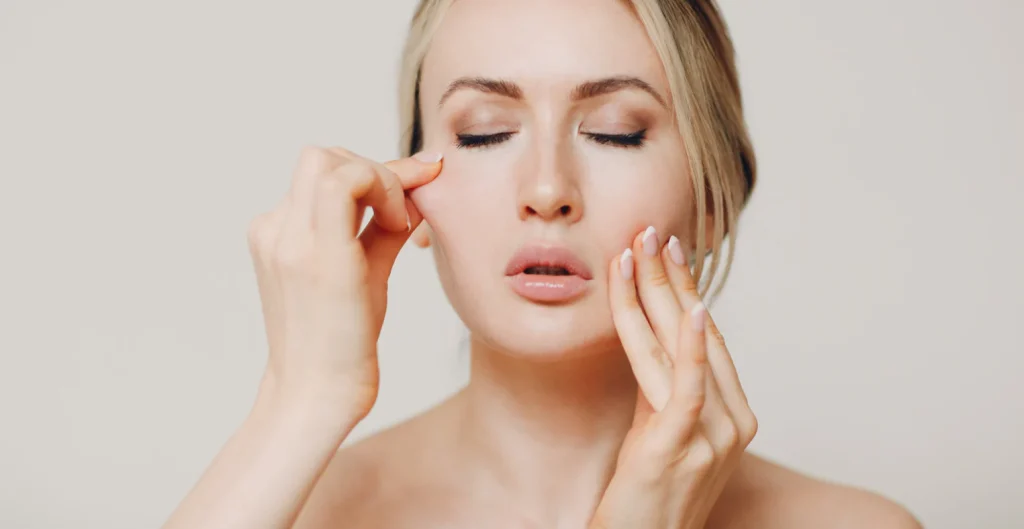
Facial appearance is not determined only by genetics or cosmetic treatments. Daily lifestyle choices play a major role in shaping how the face looks over time. Factors such as diet, sleep, stress levels, hydration, smoking, and overall health directly influence skin quality, facial structure, and the aging process. Understanding how lifestyle impacts facial appearance helps individuals make better decisions for long-term beauty and wellness.
Modern aesthetic and wellness professionals, including experienced practitioners such as a Brazilian dentist in Dubai who also focuses on facial harmony and aesthetics, often emphasize that natural beauty is strongly influenced by internal health and daily habits rather than external treatments alone.
The Connection Between Lifestyle and Facial Appearance
The skin is the largest organ of the body and reflects internal health conditions. When the body is well-nourished and balanced, the skin appears healthy, firm, and radiant. Poor lifestyle habits, on the other hand, can lead to premature aging, dull skin, and loss of facial vitality.
Key lifestyle factors that affect facial appearance include:
- Diet and nutrition
- Sleep quality
- Stress levels
- Hydration
- Smoking and alcohol consumption
- Physical activity
Each of these plays a unique role in skin health and facial aging.
Impact of Diet on Facial Appearance
Nutrition has a direct effect on skin health and facial aesthetics. A balanced diet provides essential vitamins and antioxidants that support collagen production and skin repair.
Healthy foods that improve facial appearance include:
- Fruits rich in vitamin C (oranges, berries)
- Vegetables high in antioxidants (spinach, carrots)
- Healthy fats (avocados, nuts, fish)
- Protein-rich foods (eggs, lean meat)
Unhealthy diets high in sugar and processed foods can lead to:
- Acne breakouts
- Dull complexion
- Faster skin aging
- Loss of skin elasticity
Sugar, in particular, accelerates collagen breakdown, leading to wrinkles and sagging skin.
Role of Sleep in Facial Health
Sleep is essential for skin repair and regeneration. During deep sleep, the body repairs damaged cells and produces collagen, which maintains skin firmness and elasticity.
Poor sleep can result in:
- Dark circles under the eyes
- Puffy face and eyes
- Dull and tired-looking skin
- Premature wrinkles
Consistent lack of sleep accelerates visible aging and reduces skin glow.
Stress and Its Effect on Facial Appearance
Chronic stress triggers the release of cortisol, a hormone that negatively affects skin health. High stress levels can lead to inflammation and skin imbalance.
Effects of stress on the face include:
- Acne flare-ups
- Redness and irritation
- Increased wrinkles
- Loss of skin radiance
Stress management techniques such as exercise, meditation, and relaxation can significantly improve facial appearance over time.
Hydration and Skin Glow
Water plays a crucial role in maintaining skin hydration and elasticity. Proper hydration helps flush out toxins and keeps skin cells healthy.
Dehydration can cause:
- Dry and flaky skin
- Fine lines becoming more visible
- Loss of facial plumpness
- Dull complexion
Drinking enough water daily supports a fresh, youthful, and glowing appearance.
Smoking and Facial Aging
Smoking is one of the most damaging lifestyle habits for facial aesthetics. It reduces blood flow to the skin and damages collagen and elastin fibers.
Long-term effects of smoking include:
- Premature wrinkles
- Sagging skin
- Dull and uneven skin tone
- Hollow facial appearance
It also affects lip lines and accelerates visible aging around the mouth and eyes.
Alcohol and Skin Health
Excessive alcohol consumption dehydrates the body and skin, leading to a tired and aged appearance. It also affects liver function, which plays a role in detoxifying the body.
Effects of alcohol on facial appearance:
- Puffy face
- Redness and broken capillaries
- Dry skin
- Accelerated aging signs
Moderation is key to maintaining healthy skin.
Physical Activity and Facial Appearance
Regular exercise improves blood circulation, which helps deliver oxygen and nutrients to the skin. This results in a healthier and more vibrant complexion.
Benefits of physical activity include:
- Improved skin glow
- Reduced stress levels
- Better muscle tone in the face
- Slower aging process
Exercise also supports overall body health, which reflects positively on facial appearance.
Aging and Lifestyle Choices
While aging is natural, lifestyle habits can either slow down or accelerate the process. Healthy habits help maintain youthful skin for longer, while poor habits speed up visible aging.
Positive habits include:
- Balanced nutrition
- Regular sleep routine
- Sun protection
- Hydration
- Stress management
These help preserve skin structure and facial harmony.
Importance of Preventive Care
Preventive care plays a key role in maintaining facial aesthetics. This includes skincare routines, regular health check-ups, and professional aesthetic guidance when needed.
Preventive habits help:
- Maintain skin elasticity
- Reduce early signs of aging
- Improve overall facial balance
- Support long-term skin health
Dr. Ahmad Houmsie is a highly skilled plastic and aesthetic surgeon in Dubai, with extensive clinical training and international credentials. He offers advanced cosmetic procedures for the face and body — including rhinoplasty, liposuction, breast surgery, tummy tuck, facelifts, and more — using state‑of‑the‑art techniques tailored to each patient. For anyone seeking expert guidance and transformative results, booking a consultation directly with Dr. Ahmad Houmsie ensures personalized care and professional excellence.