
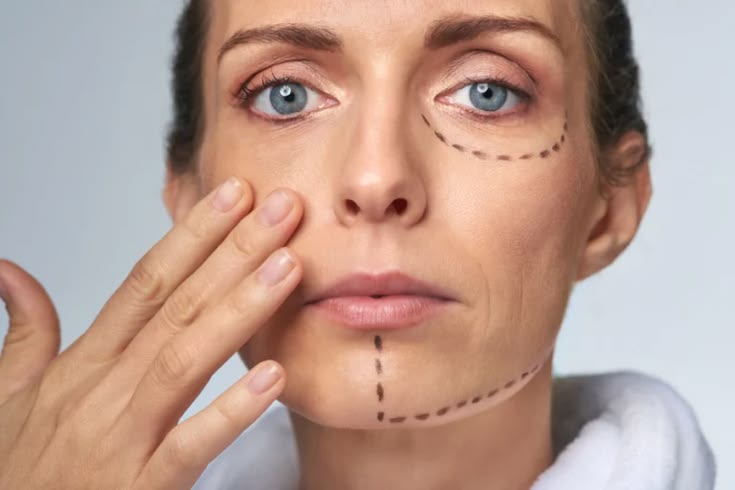
Aesthetic procedures have evolved tremendously over the years, moving away from dramatic transformations toward subtle, natural-looking enhancements. Achieving these refined results is not just about technique—it requires surgical precision. Precision allows surgeons to make targeted improvements that enhance a patient’s natural features without altering their unique identity. In this blog, we’ll explore how surgical precision plays a crucial role in achieving subtle aesthetic changes and why it is central to modern cosmetic practices.
Understanding Subtle Aesthetic Changes
Subtle aesthetic changes are enhancements that improve appearance while maintaining the natural proportions and characteristics of the face or body. Unlike drastic procedures that completely reshape features, subtle changes aim to:
- Enhance symmetry and balance
- Smooth minor imperfections
- Restore youthful contours
- Highlight natural features
For example, a small refinement in the jawline, a gentle adjustment of the nose, or a modest lip enhancement can make a significant difference without appearing artificial.
The Role of Surgical Precision
Surgical precision refers to the meticulous attention to detail in planning and executing aesthetic procedures. It involves the careful measurement, controlled movements, and the use of advanced tools to achieve the desired outcome with minimal disruption to surrounding tissues. Precision is critical in subtle aesthetic procedures because even minor deviations can affect the balance and harmony of facial or body features.
1. Detailed Pre-Operative Planning
Before any procedure, precise planning determines the optimal approach for achieving subtle results. Surgeons assess:
- Facial or body proportions
- Skin quality and elasticity
- Bone structure
- Muscle tone
- Patient goals and expectations
Advanced imaging techniques and 3D modeling can simulate outcomes, allowing both the surgeon and patient to visualize subtle changes before surgery. This planning ensures that adjustments are precise and tailored to individual anatomy.
2. Minimized Tissue Trauma
Surgical precision minimizes trauma to surrounding tissues, reducing bruising, swelling, and recovery time. Techniques such as micro-incisions, careful dissection, and precise suturing allow surgeons to make enhancements without unnecessary disruption. For patients, this means less discomfort, faster healing, and more natural-looking results.
3. Fine Control Over Contours and Symmetry
Subtle aesthetic changes often rely on millimeter-level adjustments. For example:
- Refining the jawline may involve removing tiny amounts of bone or fat for a sharper contour.
- Adjusting the nose could require minor cartilage reshaping for improved harmony.
- Eyelid or brow refinements demand careful attention to prevent overcorrection.
Precision ensures that these small changes result in noticeable improvement while preserving natural balance and avoiding overdone appearances.
4. Use of Advanced Tools and Techniques
Modern aesthetic surgery combines artistry with technology. Tools such as laser-assisted devices, ultrasonic instruments, and precision scalpels enhance the surgeon’s ability to work delicately. These tools allow for controlled adjustments, reduce tissue damage, and enhance overall accuracy.
5. Customized Approaches for Individual Needs
No two faces or bodies are identical. Surgical precision enables customization, ensuring that subtle changes complement a patient’s unique features. For instance, a slight enhancement in cheek volume may better suit one person’s facial shape, while a different approach may be needed for another to achieve symmetry. Precision allows surgeons to adapt techniques according to individual anatomy and goals.
Benefits of Precision in Subtle Aesthetic Procedures
- Natural-Looking Results – Patients achieve improvements that are noticeable yet harmonious with their features.
- Reduced Recovery Time – Minimal tissue disruption leads to quicker healing and less post-operative swelling.
- Lower Risk of Complications – Precision decreases the chance of errors, asymmetry, or overcorrection.
- Long-Lasting Enhancements – Careful adjustments maintain their effect over time, avoiding the need for frequent revisions.
- Patient Confidence – Subtle changes often lead to higher satisfaction because results enhance rather than dramatically alter appearance.
Popular Procedures Where Precision Matters
Surgical precision is crucial in many aesthetic procedures, including:
- Rhinoplasty – Minor adjustments to cartilage or bone can significantly improve facial harmony.
- Jawline Contouring – Small refinements enhance definition without appearing unnatural.
- Eyelid Surgery – Accurate tissue removal or repositioning prevents an overdone look.
- Facelifts – Precision in lifting and repositioning tissues ensures smooth, youthful contours.
- Lip and Cheek Enhancements – Small volumetric adjustments enhance natural fullness.
Dr. Ahmad Houmsie is a highly skilled plastic and aesthetic surgeon in Dubai, with extensive clinical training and international credentials. He offers advanced cosmetic procedures for the face and body — including rhinoplasty, liposuction, breast surgery, tummy tuck, facelifts, and more — using state‑of‑the‑art techniques tailored to each patient. For anyone seeking expert guidance and transformative results, booking a consultation directly with Dr. Ahmad Houmsie ensures personalized care and professional excellence.