
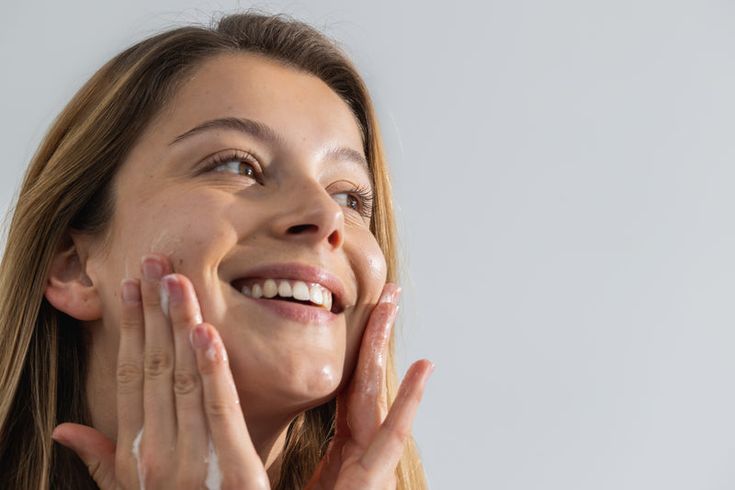
Healthy, radiant skin plays a crucial role in shaping first impressions and enhancing overall appearance. While skincare routines, nutrition, and lifestyle choices all contribute to maintaining skin, understanding how skin texture and tone affect your appearance is essential for achieving a smooth, even, and youthful look. Uneven texture or tone can make the skin appear dull, aged, or fatigued, even if other features are balanced and symmetrical.
Understanding Skin Texture
Skin texture refers to the surface feel and appearance of the skin. Smooth skin reflects light evenly, giving a natural glow, while rough, bumpy, or uneven skin can cast shadows and make the face appear older or less vibrant.
Common factors that affect skin texture include:
- Acne and Blemishes: Breakouts, clogged pores, and blackheads can leave scars or irregular surfaces.
- Dryness and Dehydration: Lack of moisture can create flakiness, rough patches, or fine lines.
- Sun Damage: Prolonged UV exposure can lead to rough skin, wrinkles, and loss of elasticity.
- Aging: Collagen and elastin breakdown reduces firmness, causing sagging or uneven surfaces.
Smooth skin texture enhances makeup application, improves light reflection, and provides a youthful appearance. In contrast, uneven texture can exaggerate shadows and lines, making the skin look tired or unhealthy.
Understanding Skin Tone
Skin tone is the natural color of your skin and encompasses both pigmentation and undertones. Even skin tone looks luminous and uniform, while uneven tone—characterized by hyperpigmentation, redness, or dark spots—can create a patchy appearance.
Factors that influence skin tone include:
- Sun Exposure: Leads to sunspots, freckles, and uneven pigmentation.
- Hormonal Changes: Conditions like melasma or hormonal acne can cause discoloration.
- Scarring and Inflammation: Post-inflammatory hyperpigmentation from acne or injuries affects tone.
- Lifestyle Factors: Smoking, poor diet, and stress may contribute to dull or uneven skin.
Balanced skin tone creates a natural, healthy glow and enhances overall facial harmony. Uneven tone can draw attention to imperfections and make the skin appear aged or fatigued.
The Interplay Between Texture and Tone
Texture and tone are interrelated; issues in one often affect the other. For instance:
- Rough Texture Enhances Imperfections: Bumps or enlarged pores can exaggerate uneven pigmentation.
- Uneven Tone Highlights Surface Irregularities: Dark spots or redness can make fine lines or acne scars more noticeable.
Improving both texture and tone simultaneously can dramatically enhance facial appearance, giving skin a smooth, bright, and youthful look.
How Skin Texture and Tone Affect Overall Appearance
- Youthfulness: Smooth, even-toned skin reflects light better and minimizes shadows, creating a fresh, youthful look.
- Confidence: Clear, radiant skin boosts self-esteem and can influence how others perceive you.
- Makeup Application: Uneven texture and tone can make makeup appear patchy or settle into fine lines.
- Facial Symmetry: Even skin tone and texture contribute to perceived balance and symmetry, enhancing attractiveness.
- Health Indicator: Healthy skin often reflects internal wellness, while dullness or unevenness may signal dehydration, stress, or nutritional deficiencies.
Tips for Improving Skin Texture and Tone
1. Consistent Skincare Routine
- Cleanse gently to remove dirt and oil.
- Exfoliate regularly to remove dead skin cells and promote cell turnover.
- Moisturize daily to maintain hydration and smooth texture.
2. Sun Protection
- Use broad-spectrum SPF daily to prevent sun damage, hyperpigmentation, and uneven tone.
3. Healthy Lifestyle Choices
- Stay hydrated and eat a balanced diet rich in antioxidants.
- Get adequate sleep to support skin repair and regeneration.
- Avoid smoking and excessive alcohol, which can dull skin and worsen texture.
4. Targeted Treatments
- Chemical Peels or Microdermabrasion: Improve texture and minimize fine lines.
- Laser Treatments: Address uneven pigmentation and smooth skin surface.
- Topical Agents: Vitamin C, retinoids, and niacinamide can brighten skin and reduce uneven tone.
5. Professional Consultation
Dermatologists or aesthetic specialists can provide personalized guidance for improving both texture and tone using medical-grade treatments and advanced therapies.
Dr. Ahmad Houmsie is a highly skilled plastic and aesthetic surgeon in Dubai, with extensive clinical training and international credentials. He offers advanced cosmetic procedures for the face and body — including rhinoplasty, liposuction, breast surgery, tummy tuck, facelifts, and more — using state‑of‑the‑art techniques tailored to each patient. For anyone seeking expert guidance and transformative results, booking a consultation directly with Dr. Ahmad Houmsie ensures personalized care and professional excellence.