
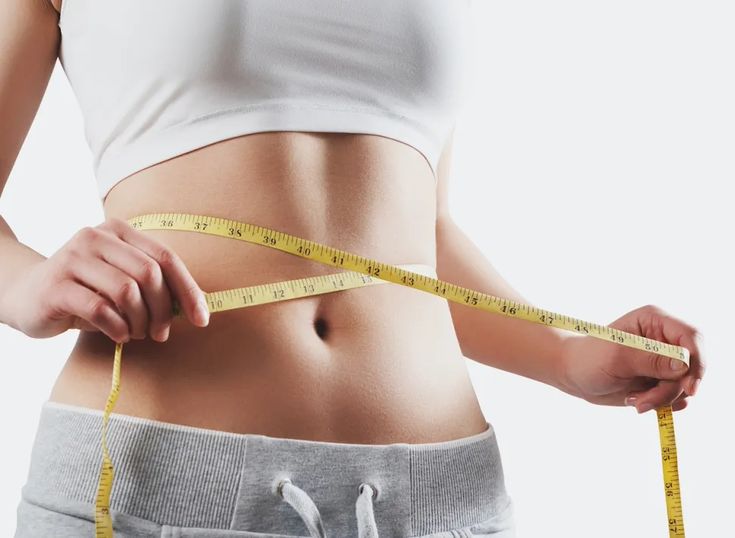
Body shape is often seen as a result of diet and exercise, but genetics play a powerful and sometimes underestimated role. Understanding how genetics influence body shape can help you develop realistic expectations and make more informed health and fitness decisions.
While lifestyle choices matter, your genetic blueprint sets the foundation for how your body looks, stores fat, and builds muscle.
What Determines Body Shape?
Body shape refers to the distribution of fat, muscle, and bone structure in your body. Common body types include apple, pear, hourglass, and rectangular shapes. These variations are influenced by a combination of genetics, hormones, and lifestyle.
Genetics provide the baseline, determining factors like:
- Bone structure
- Fat storage patterns
- Muscle growth potential
- Metabolic rate
These inherited traits are passed down from your parents and can strongly affect your overall physique.
How Genetics Influence Body Shape
To better understand how genetics influence body shape, it’s important to explore the specific ways genes affect your body.
1. Fat Distribution
One of the most noticeable genetic influences is where your body stores fat. Some people naturally store fat around the abdomen (apple-shaped), while others store it in the hips and thighs (pear-shaped).
This distribution is largely controlled by genes and hormones. For example, certain genetic variations can make it easier to gain fat in specific areas, even if overall weight remains moderate.
2. Metabolism and Energy Use
Your metabolic rate—how quickly your body burns calories—is also influenced by genetics. Some individuals have a naturally fast metabolism, allowing them to burn calories more efficiently, while others may have a slower metabolism.
This difference can impact how easily you gain or lose weight, even when following similar diets or exercise routines.
3. Muscle Composition
Genetics determine the proportion of muscle fiber types in your body. Some people have more fast-twitch fibers, which support strength and power, while others have more slow-twitch fibers, which are better for endurance.
This affects not only athletic performance but also how your body responds to different types of exercise.
4. Bone Structure and Frame
Your skeletal structure is entirely genetic. Factors such as shoulder width, hip width, and limb length all contribute to your body shape and cannot be significantly altered.
For example, someone with a wider bone structure may naturally appear broader, regardless of body fat percentage.
5. Hormonal Influence
Hormones play a major role in shaping your body, and genetics influence how your body produces and responds to these hormones.
For instance, estrogen and testosterone levels affect fat distribution and muscle growth. Genetic differences can lead to variations in hormone levels, impacting body shape over time.
Can You Change Your Body Shape?
While genetics set the foundation, they do not completely limit your ability to change your body. You may not be able to alter your bone structure or natural fat distribution entirely, but you can influence your overall appearance through lifestyle choices.
Exercise
Strength training can help build muscle and create a more defined look, while cardiovascular exercise can reduce overall body fat. Although you cannot target fat loss in specific areas, consistent exercise can improve body composition.
Nutrition
A balanced diet supports healthy weight management and muscle development. Eating the right nutrients can help you work with your genetic tendencies rather than against them.
Consistency Over Time
Long-term habits are key. Small, consistent changes in diet and physical activity can lead to noticeable improvements, even if your genetic traits remain the same.
The Role of Epigenetics
Epigenetics refers to how lifestyle and environmental factors can influence the way your genes are expressed. While you cannot change your DNA, your daily habits can affect how certain genes function.
For example, regular exercise and a healthy diet can activate genes that promote fat burning and muscle growth. This shows that genetics are not a fixed destiny but rather a starting point.
Common Misconceptions
There are several myths surrounding genetics and body shape that can lead to confusion.
“Genetics Make Change Impossible”
This is not true. While genetics influence your starting point, they do not prevent you from improving your health and fitness.
“Everyone Can Achieve the Same Body Type”
Each person has a unique genetic makeup. Comparing your body to others can lead to unrealistic expectations.
“Weight Is the Only Indicator of Health”
Body shape and weight do not always reflect overall health. Factors like muscle mass, fitness level, and metabolic health are equally important.
Embracing Your Natural Body
Understanding how genetics influence body shape can help you appreciate your natural physique and focus on achievable goals. Instead of striving for unrealistic standards, aim to become the healthiest version of yourself.
Celebrate what your body can do rather than focusing only on how it looks. Building strength, improving endurance, and maintaining overall well-being are more meaningful and sustainable goals.
Dr. Ahmad Houmsie is a highly skilled plastic and aesthetic surgeon in Dubai, with extensive clinical training and international credentials. He offers advanced cosmetic procedures for the face and body — including rhinoplasty, liposuction, breast surgery, tummy tuck, facelifts, and more — using state‑of‑the‑art techniques tailored to each patient. For anyone seeking expert guidance and transformative results, booking a consultation directly with Dr. Ahmad Houmsie ensures personalized care and professional excellence.