
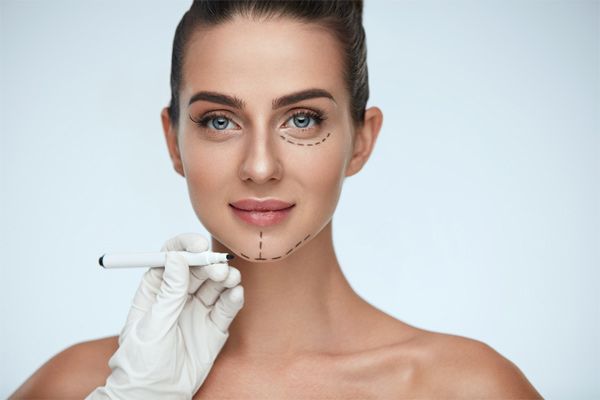
Aesthetic surgery has become increasingly popular as more people seek to enhance their appearance and boost self-confidence. While the results of cosmetic procedures can be transformative, one of the most important aspects often overlooked is the recovery process. Understanding recovery and healing in aesthetic surgery is essential for achieving optimal results and minimizing complications.
What Happens During the Healing Process?
After any aesthetic procedure, the body begins a natural healing process. This involves several stages, each playing a critical role in recovery:
1. Inflammatory Phase
This is the initial stage that occurs immediately after surgery and typically lasts a few days. During this time, the body works to stop bleeding and prevent infection. Swelling, redness, and mild discomfort are common and expected.
2. Proliferative Phase
In this stage, new tissue and blood vessels begin to form. The body repairs damaged areas, and incisions start to close. This phase can last several weeks depending on the type of procedure.
3. Remodeling Phase
This final stage can last for months or even up to a year. The body strengthens and refines the new tissue, and scars gradually fade and become less noticeable.
Factors That Influence Recovery
Recovery time and healing quality can vary significantly from person to person. Several factors influence how quickly and effectively the body heals:
Type of Procedure
Minimally invasive treatments like fillers or Botox typically require little to no downtime, while surgical procedures such as rhinoplasty or liposuction may need several weeks of recovery.
Individual Health
A person’s overall health plays a major role. Individuals with strong immune systems, balanced nutrition, and good physical health tend to recover faster.
Age
Younger individuals often heal more quickly due to better skin elasticity and cell regeneration. However, proper care can ensure good healing at any age.
Lifestyle Habits
Smoking, alcohol consumption, and poor diet can slow down healing and increase the risk of complications. Maintaining a healthy lifestyle before and after surgery is crucial.
Common Recovery Symptoms
Understanding what to expect during recovery can help reduce anxiety and ensure a smoother experience. Common post-surgical symptoms include:
- Swelling and bruising
- Mild to moderate pain or discomfort
- Temporary numbness or tightness
- Fatigue
These symptoms usually subside gradually as the body heals. Following post-operative instructions carefully can help manage these effects effectively.
Tips for a Smooth Recovery
To ensure optimal healing, patients should follow specific guidelines provided by their surgeon. Here are some general tips to support recovery:
Follow Medical Advice
Always adhere to your surgeon’s instructions regarding medications, wound care, and follow-up appointments. These guidelines are tailored to your specific procedure.
Get Adequate Rest
Rest is essential for healing. Avoid strenuous activities and give your body the time it needs to recover.
Maintain a Healthy Diet
Nutrient-rich foods, including proteins, vitamins, and minerals, support tissue repair and boost immunity. Staying hydrated is equally important.
Avoid Smoking and Alcohol
Both can interfere with blood circulation and slow down the healing process. It’s best to avoid them before and after surgery.
Protect the Treated Area
Avoid direct sunlight, excessive touching, or pressure on the treated area to prevent complications and ensure proper healing.
Emotional Aspects of Recovery
Recovery is not just physical—it also has emotional components. It is normal to experience mood swings, impatience, or temporary dissatisfaction with results during the early stages. Swelling and bruising can make it difficult to see the final outcome immediately.
Having realistic expectations and understanding that results take time to fully appear can help maintain a positive mindset. Support from family, friends, or professionals can also be beneficial during this period.
When to Expect Final Results
One of the key aspects of understanding recovery and healing in aesthetic surgery is knowing that results are not immediate. While some improvements may be visible within weeks, final results often take several months as swelling subsides and tissues settle.
Patience is essential. Rushing the process or becoming concerned too early can lead to unnecessary stress. Regular follow-ups with your surgeon help track progress and address any concerns.
Possible Complications and How to Avoid Them
Although most aesthetic procedures are safe, complications can occur if proper care is not taken. These may include:
- Infection
- Delayed healing
- Excessive scarring
- Asymmetry
To minimize risks, it is important to choose a qualified professional, follow all aftercare instructions, and report any unusual symptoms promptly.
The Importance of Aftercare
Aftercare is a crucial part of the overall surgical journey. Proper post-operative care not only speeds up recovery but also enhances the final outcome. This includes:
- Attending all follow-up appointments
- Using prescribed medications correctly
- Keeping the surgical area clean and protected
Neglecting aftercare can compromise results and lead to avoidable complications.
Dr. Ahmad Houmsie is a highly skilled plastic and aesthetic surgeon in Dubai, with extensive clinical training and international credentials. He offers advanced cosmetic procedures for the face and body — including rhinoplasty, liposuction, breast surgery, tummy tuck, facelifts, and more — using state‑of‑the‑art techniques tailored to each patient. For anyone seeking expert guidance and transformative results, booking a consultation directly with Dr. Ahmad Houmsie ensures personalized care and professional excellence.