
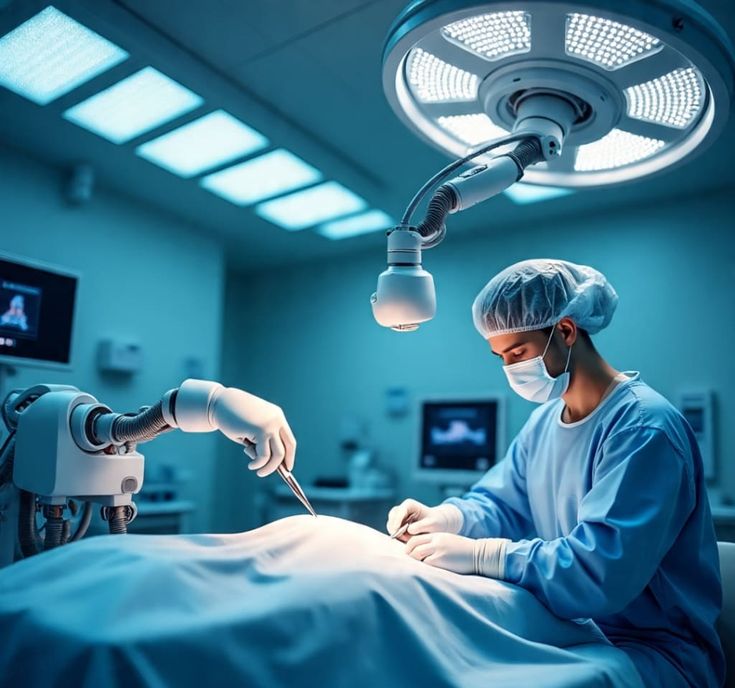
In the past few decades, aesthetic surgery has evolved dramatically, transforming from traditional techniques to highly precise, technology-driven procedures. Innovations in imaging, surgical tools, and minimally invasive techniques have reshaped patient outcomes, safety, and satisfaction. Understanding the role of technology in modern aesthetic surgery is essential for anyone considering cosmetic enhancement or reconstructive procedures.
How Technology Has Transformed Aesthetic Surgery
Advances in technology have revolutionized the field of aesthetic surgery in multiple ways:
- Precision and Accuracy: Modern tools allow surgeons to plan and execute procedures with unparalleled accuracy, minimizing errors and optimizing results.
- Minimally Invasive Options: Technology enables less invasive procedures, reducing recovery time, scarring, and discomfort.
- Personalized Treatment: Digital imaging and 3D modeling allow for customized surgical plans tailored to individual anatomy and goals.
- Improved Safety: Advanced monitoring systems and instruments enhance patient safety during procedures.
These innovations ensure that patients experience not only enhanced outcomes but also greater confidence and satisfaction.
Digital Imaging and 3D Modeling
One of the most significant technological advances in aesthetic surgery is digital imaging. High-resolution imaging allows surgeons to analyze facial and body structures in detail. Combined with 3D modeling software, this technology provides several benefits:
- Visualization of Outcomes: Patients can see potential results before surgery, helping them understand realistic expectations.
- Surgical Planning: Surgeons can map procedures accurately, considering bone structure, tissue volume, and proportions.
- Symmetry Enhancement: 3D tools help identify and correct subtle asymmetries, contributing to a balanced, natural-looking result.
Digital imaging is widely used in procedures such as rhinoplasty, facial contouring, breast augmentation, and body sculpting, enabling a precise, patient-centered approach.
Laser and Energy-Based Technologies
Laser and energy-based devices have expanded the possibilities of aesthetic surgery. These technologies target specific tissues with precision, often without the need for extensive incisions. Applications include:
- Skin Resurfacing: Lasers stimulate collagen production, improving skin texture, tone, and elasticity.
- Fat Reduction: Laser-assisted lipolysis and radiofrequency devices provide non-surgical or minimally invasive body contouring.
- Hair Removal and Pigmentation Treatments: Advanced lasers address unwanted hair and skin discoloration efficiently.
The ability to perform targeted treatments with minimal trauma has made aesthetic surgery safer, faster, and less painful, with shorter recovery periods.
Robotic and Computer-Assisted Surgery
Robotic-assisted surgery is becoming increasingly integrated into aesthetic procedures. Robots and computer-guided instruments enhance precision and control, especially in complex or delicate surgeries. Key advantages include:
- Enhanced Accuracy: Small movements are amplified and refined, reducing the risk of human error.
- Consistent Outcomes: Technology helps maintain symmetry and proportionality across procedures.
- Reduced Recovery Time: Less tissue trauma translates to faster healing and minimal scarring.
Robotics are particularly useful in facial reconstruction, microsurgery, and intricate cosmetic enhancements where precision is critical.
Minimally Invasive Techniques
Technology has also enabled minimally invasive procedures that were once impossible. These techniques often involve smaller incisions, less anesthesia, and shorter downtime. Examples include:
- Injectables: Dermal fillers and neuromodulators allow subtle facial enhancements without surgery.
- Endoscopic Procedures: Tiny cameras and instruments allow surgeons to lift and contour tissues with minimal scarring.
- Laser and Ultrasound-Assisted Contouring: Fat removal and skin tightening can be achieved without traditional surgery.
Minimally invasive approaches appeal to patients seeking effective results with faster recovery and fewer risks.
Preoperative and Postoperative Technology
Modern technology also supports patient care before and after surgery:
- Virtual Consultations: Telemedicine and online imaging help patients plan procedures remotely.
- Wearable Monitors: Devices track vital signs and recovery metrics, ensuring patient safety post-surgery.
- Mobile Apps: Postoperative apps guide patients on medication schedules, exercises, and follow-up care.
These tools improve communication, adherence to recovery protocols, and overall patient satisfaction.
The Future of Technology in Aesthetic Surgery
The role of technology in aesthetic surgery continues to grow. Emerging innovations such as artificial intelligence (AI) for predictive outcomes, augmented reality (AR) for surgical planning, and regenerative medicine techniques are poised to transform the field further. These technologies promise even greater precision, personalization, and patient-centered care in the coming years.
Dr. Ahmad Houmsie is a highly skilled plastic and aesthetic surgeon in Dubai, with extensive clinical training and international credentials. He offers advanced cosmetic procedures for the face and body — including rhinoplasty, liposuction, breast surgery, tummy tuck, facelifts, and more — using state‑of‑the‑art techniques tailored to each patient. For anyone seeking expert guidance and transformative results, booking a consultation directly with Dr. Ahmad Houmsie ensures personalized care and professional excellence.