
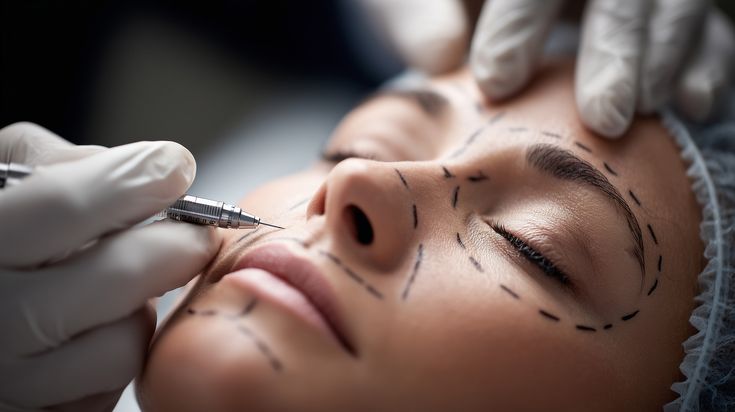
Surgery, whether cosmetic or reconstructive, has the potential to enhance confidence, improve function, and transform appearance. However, the success of any procedure is not measured solely by surgical precision—it is also determined by a patient’s mindset and understanding of what is achievable. Recognizing the importance of realistic expectations before surgery is essential for a safe, satisfying, and psychologically healthy experience.
Why Realistic Expectations Matter
Many patients enter surgery with idealized visions of perfect results, often influenced by social media, celebrity images, or anecdotal stories. While ambition and hope are natural, unrealistic expectations can lead to disappointment, stress, or even dissatisfaction with an otherwise successful outcome.
Realistic expectations help patients:
- Make informed decisions about whether surgery aligns with their goals.
- Understand the natural limitations of their body and procedure.
- Prepare for recovery and post-operative care.
- Maintain satisfaction with the results while avoiding unnecessary revisions.
When expectations match reality, patients are more likely to feel confident and content with the surgical outcome.
Factors That Influence Surgical Results
Several factors determine how surgical outcomes appear and evolve:
1. Individual Anatomy
Each person’s anatomy is unique, including bone structure, skin elasticity, and tissue composition. These individual differences influence how the body responds to surgery. Understanding that results will be tailored to your own structure, rather than replicating someone else’s appearance, is crucial.
2. Type and Scope of Procedure
Different surgeries provide varying levels of change. For example, a facelift can reduce sagging and wrinkles, but it cannot stop the natural aging process. Liposuction removes fat deposits but cannot replace a healthy lifestyle. Understanding the specific limitations of each procedure helps manage expectations effectively.
3. Recovery and Healing
Healing is a gradual process. Swelling, bruising, and temporary asymmetry are normal during the early stages of recovery. Full results may take weeks or months to appear, and minor imperfections may persist. Being patient and understanding the healing timeline is key to realistic expectations.
4. Surgical Limitations
Even with advanced techniques, perfection is unattainable. Slight asymmetry, minimal scarring, or subtle imperfections may remain. Awareness of these natural limitations can prevent disappointment and encourage a more positive perspective on achievable improvements.
Psychological Benefits of Setting Realistic Expectations
Patients with realistic expectations are better prepared emotionally and mentally for surgery. This awareness:
- Reduces anxiety and stress before the procedure.
- Encourages adherence to recovery instructions.
- Promotes satisfaction with gradual improvements.
- Enhances communication with the surgical team to align goals and capabilities.
Understanding that surgery enhances rather than transforms life allows patients to approach procedures with confidence and clarity.
Steps to Develop Realistic Expectations
1. Comprehensive Consultation
A detailed consultation with a board-certified surgeon is crucial. During this discussion, the surgeon evaluates anatomy, explains potential results, and outlines risks. Visual aids, imaging, or simulations may help patients understand the probable outcome.
2. Clarify Procedure Limitations
Patients should ask specific questions about what the surgery can and cannot achieve. Knowing the realistic extent of change helps manage expectations and prevents unrealistic comparisons with others.
3. Review Before-and-After Images
Looking at real patient results with similar anatomy provides perspective on what can be achieved. It highlights realistic improvements and the natural variability of outcomes.
4. Consider Overall Health
Health status, lifestyle, and habits—such as smoking, diet, and weight stability—impact results. Discussing these factors with the surgeon ensures expectations align with what the body can achieve safely.
5. Prepare Emotionally
Surgery can impact self-image and confidence. Patients should acknowledge that while surgical results can enhance appearance, they may not resolve deeper emotional or psychological concerns. Combining surgery with counseling or support can create holistic satisfaction.
Avoiding Unrealistic Influences
External influences, like filtered photos on social media or celebrity images, can distort perceptions of what surgery can achieve. Patients should focus on their personal goals, guided by medical advice and realistic assessments, rather than idealized or edited portrayals.
Communication With Your Surgeon
Clear communication is key to aligning expectations with reality. Patients should:
- Discuss their goals and motivations openly.
- Understand potential risks, limitations, and recovery timelines.
- Clarify any doubts about the procedure or results.
- Trust the surgeon’s expertise in recommending realistic improvements.
When patient and surgeon goals are aligned, satisfaction and outcomes improve significantly.
Dr. Ahmad Houmsie is a highly skilled plastic and aesthetic surgeon in Dubai, with extensive clinical training and international credentials. He offers advanced cosmetic procedures for the face and body — including rhinoplasty, liposuction, breast surgery, tummy tuck, facelifts, and more — using state‑of‑the‑art techniques tailored to each patient. For anyone seeking expert guidance and transformative results, booking a consultation directly with Dr. Ahmad Houmsie ensures personalized care and professional excellence.