
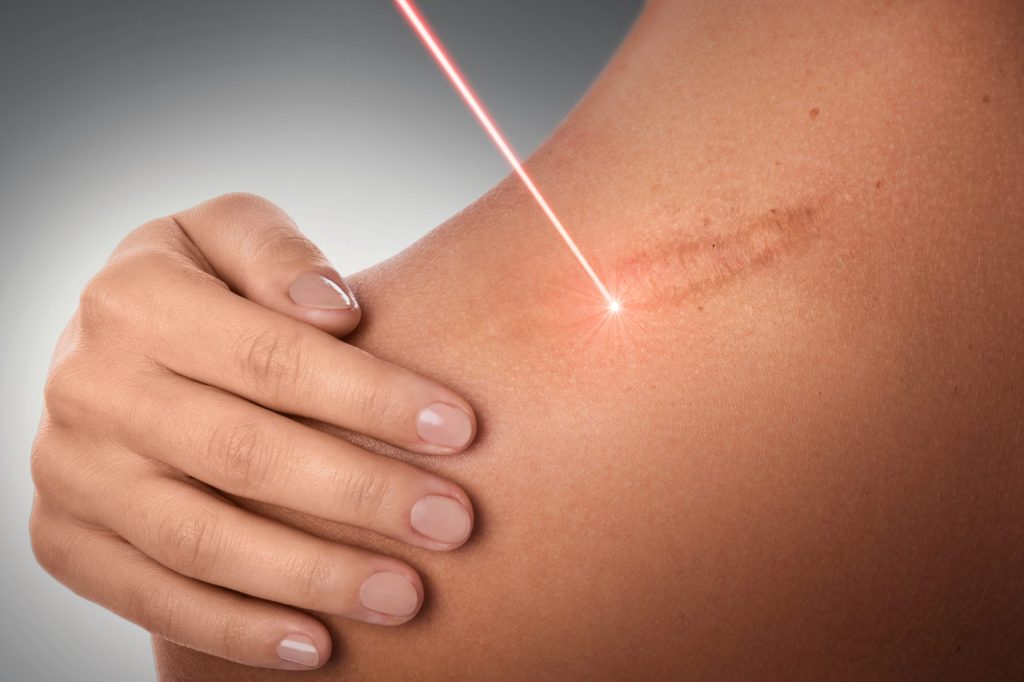
Surgical scars are a natural part of the healing process after any operation. While modern surgical techniques aim to minimize scarring, how a scar ultimately looks depends on several factors, including skin type, genetics, surgical care, and post-operative management. Understanding how surgical scars heal and what you can do to support the process can significantly improve the final appearance of a scar.
The Stages of Surgical Scar Healing
Scar healing occurs in three main stages, each playing a crucial role in how the scar forms and matures.
1. Inflammatory Phase (First Few Days)
Immediately after surgery, the body initiates an inflammatory response. Blood clotting occurs to stop bleeding, and white blood cells move to the area to prevent infection. During this stage, the wound may appear red, swollen, and tender. This is a normal and necessary part of healing.
Proper wound care during this phase is critical. Keeping the area clean, protected, and dry helps prevent infection, which can worsen scarring.
2. Proliferative Phase (Weeks After Surgery)
In this stage, the body begins producing collagen fibers to close and strengthen the wound. New blood vessels form, and the wound contracts. The scar may look raised, firm, and darker than the surrounding skin.
Although the scar is still fragile, this phase determines the foundation of the final scar. Excess tension or movement in the area can lead to widened or thicker scars.
3. Maturation Phase (Several Months to a Year)
The final phase involves collagen remodeling. Over time, the scar gradually flattens, softens, and fades in color. This phase can last up to 12–18 months, depending on individual healing factors.
Patience is essential, as scars continue to improve long after the surgical wound has closed.
Factors That Affect Scar Healing
Several internal and external factors influence how surgical scars heal:
- Genetics: Some people naturally heal with minimal scarring, while others are prone to thicker or darker scars.
- Skin Type and Tone: Darker skin tones may be more prone to hyperpigmentation or keloid formation.
- Age: Younger skin heals faster but may produce stronger scars, while older skin heals more slowly.
- Surgical Technique: Precise incisions and proper wound closure reduce scar severity.
- Location on the Body: Areas with high movement or tension heal less smoothly.
Understanding these factors helps set realistic expectations.
Tips for Better Surgical Scar Healing
1. Follow Post-Surgical Instructions Carefully
Your surgeon’s aftercare guidelines are designed to support optimal healing. This may include cleaning routines, dressing changes, activity restrictions, and medication schedules. Ignoring instructions can lead to complications that worsen scarring.
2. Keep the Wound Clean and Moist
A clean wound reduces the risk of infection. Applying a recommended ointment or dressing can keep the wound moist, which has been shown to promote better healing and less noticeable scars.
Avoid using unapproved products during early healing, as they may irritate the skin.
3. Protect the Scar From Sun Exposure
Sun exposure can darken scars and make them more visible. Once the wound has healed, applying sunscreen to the area helps prevent discoloration. Physical protection, such as clothing or bandages, is also beneficial in the early months.
4. Minimize Tension on the Scar
Excess stretching or pulling can cause scars to widen. Limiting strenuous activity and using supportive dressings when advised helps reduce tension during healing.
5. Use Silicone-Based Products
Silicone gels or sheets are widely recommended for scar management. They help hydrate the scar, reduce redness, and improve texture over time. Consistent use for several weeks or months can lead to noticeable improvement.
6. Maintain a Healthy Diet
Nutrition plays a key role in wound healing. A diet rich in protein, vitamins A and C, zinc, and antioxidants supports collagen production and tissue repair. Staying well-hydrated also promotes healthy skin.
7. Avoid Smoking and Alcohol
Smoking restricts blood flow and oxygen delivery to healing tissues, significantly impairing wound healing. Excessive alcohol intake can also delay recovery. Avoiding both supports better scar outcomes.
When to Be Concerned About Scars
Some scars may heal abnormally. Warning signs include:
- Excessive redness or swelling
- Pain that worsens over time
- Thick, raised scars that continue to grow
- Persistent itching or discomfort
Early evaluation can help manage these issues before they become more pronounced.
Long-Term Scar Care
Even after the scar has matured, gentle massage, hydration, and sun protection can maintain its appearance. Some individuals may explore advanced treatments such as laser therapy or microneedling to improve texture and tone, depending on scar type and severity.
Surgical scars are an unavoidable part of the healing process, but their appearance can be significantly improved with proper care and patience. Understanding the stages of scar healing, protecting the wound, and following healthy aftercare practices all contribute to better outcomes. With consistent care and realistic expectations, surgical scars can fade and blend naturally with surrounding skin over time.