
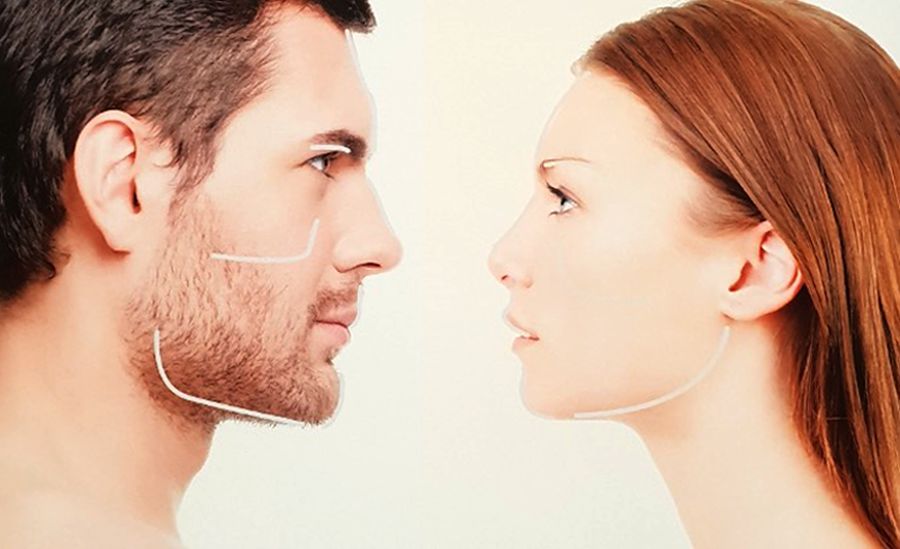
Facial aging is a natural biological process influenced by genetics, lifestyle, environment, and hormones. While everyone experiences aging over time, men and women age differently, especially when it comes to facial structure, skin quality, and the visible signs of aging. Understanding these differences helps explain why aging appears more gradual in some people and more noticeable in others, and why skincare and aesthetic approaches often vary by gender.
1. Skin Thickness and Structure
One of the most significant differences between male and female facial aging lies in skin thickness. Men generally have skin that is about 20–25% thicker than women’s. This increased thickness is due to higher collagen density, which gives men firmer and more resilient skin in their younger years.
Women, on the other hand, have thinner skin that is more delicate and sensitive. As collagen levels decline with age, this thinner structure makes wrinkles, fine lines, and sagging more noticeable earlier. While men may develop deeper wrinkles later in life, women often experience earlier visible aging due to faster collagen loss.
2. Hormonal Influence on Aging
Hormones play a major role in how faces age.
- Men: Testosterone helps maintain collagen production for a longer period, slowing early aging. This is why men often appear to age more slowly in their 30s and 40s.
- Women: Estrogen is crucial for skin hydration, elasticity, and collagen maintenance. During menopause, estrogen levels drop significantly, leading to rapid collagen loss, dryness, and skin thinning.
This hormonal shift explains why many women notice sudden changes in facial volume, firmness, and texture during midlife, while men tend to experience aging in a more gradual pattern.
3. Wrinkle Patterns and Expression Lines
Wrinkle formation also differs between genders due to facial muscle structure and expressions.
- Men tend to develop deeper, more pronounced wrinkles, especially on the forehead, between the eyebrows, and around the eyes. Their stronger facial muscles and repetitive expressions contribute to these etched lines.
- Women typically develop finer lines around the eyes, mouth, and cheeks earlier, which later progress into deeper wrinkles with age.
Additionally, women are more prone to vertical lip lines and crow’s feet, while men often show stronger frown lines.
4. Facial Fat Distribution and Volume Loss
Facial fat plays a key role in maintaining a youthful appearance. As people age, fat pads shift and diminish, but the pattern differs by gender.
- Women experience more noticeable volume loss in the cheeks, under the eyes, and around the mouth. This leads to hollowing, sagging, and changes in facial contours.
- Men generally retain facial volume longer, especially in the mid-face, but may develop sagging around the jawline and neck over time.
This difference explains why women often appear more hollow or tired as they age, while men may develop a heavier, drooping lower face.
5. Bone Structure Changes
Bone resorption—where facial bones gradually lose density—is another key factor in facial aging.
- Women experience faster bone density loss, particularly after menopause. This affects the jawline, cheekbones, and eye sockets, leading to facial shortening and sagging.
- Men have denser facial bones and lose bone mass more slowly, allowing them to maintain facial structure for a longer period.
As a result, women often notice changes in facial shape earlier than men.
6. Skin Texture and Pigmentation
Differences in lifestyle and biology also impact skin texture.
- Men’s skin tends to be oilier due to larger sebaceous glands, which can delay fine wrinkles but may lead to larger pores.
- Women’s skin is usually drier, especially with age, making fine lines more visible and increasing sensitivity.
Women are also more prone to pigmentation changes, such as dark spots and uneven skin tone, especially due to hormonal fluctuations and sun exposure.
7. Aging of the Jawline and Neck
The jawline is a strong indicator of aging.
- Men typically develop sagging around the neck and jawline later in life, often due to skin laxity and fat accumulation.
- Women tend to lose jawline definition earlier as skin elasticity decreases and facial fat shifts downward.
This difference contributes to the sharper jawlines often seen in younger men compared to women of the same age.
8. Lifestyle and Social Factors
Lifestyle habits also influence how aging appears.
- Men are historically less consistent with skincare routines and sun protection, which can accelerate skin damage over time.
- Women are more likely to use preventive skincare but may face greater hormonal challenges that offset these efforts.
Smoking, stress, diet, and sun exposure affect both genders, but the visible outcomes can differ due to skin structure and hormones.
Facial aging differs between men and women due to variations in skin thickness, hormones, facial fat, bone structure, and lifestyle factors. Women often experience earlier visible signs of aging, especially after hormonal changes, while men tend to age more gradually but develop deeper wrinkles over time. Understanding these differences highlights the importance of personalized skincare and aging strategies tailored to individual needs rather than a one-size-fits-all approach. Aging is inevitable, but knowing how it works allows for better care and confidence at every stage of life.